

 English
 Español
 Deutsch
 中文简体


Product Consultation
Your email address will not be published. Required fields are marked *
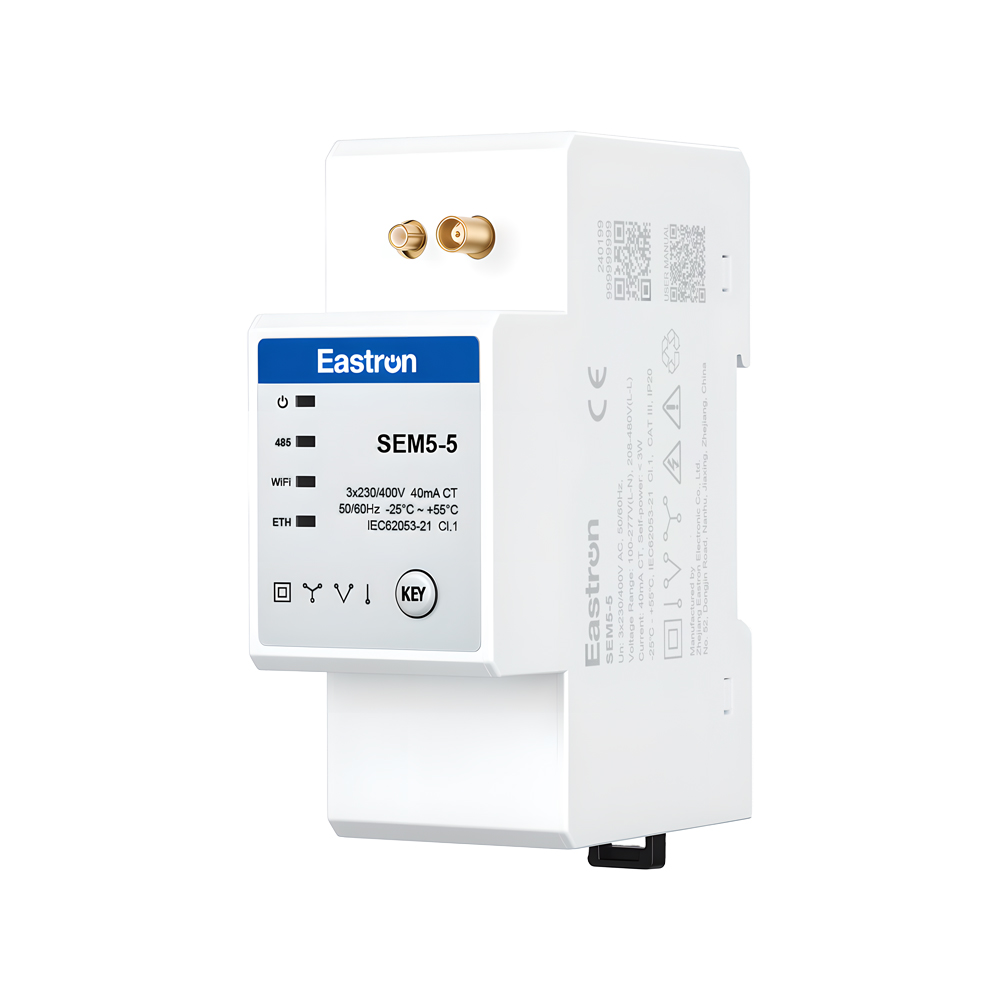
CT Operated Wireless Three Phase Energy Meter for PV Metering
May 30,2025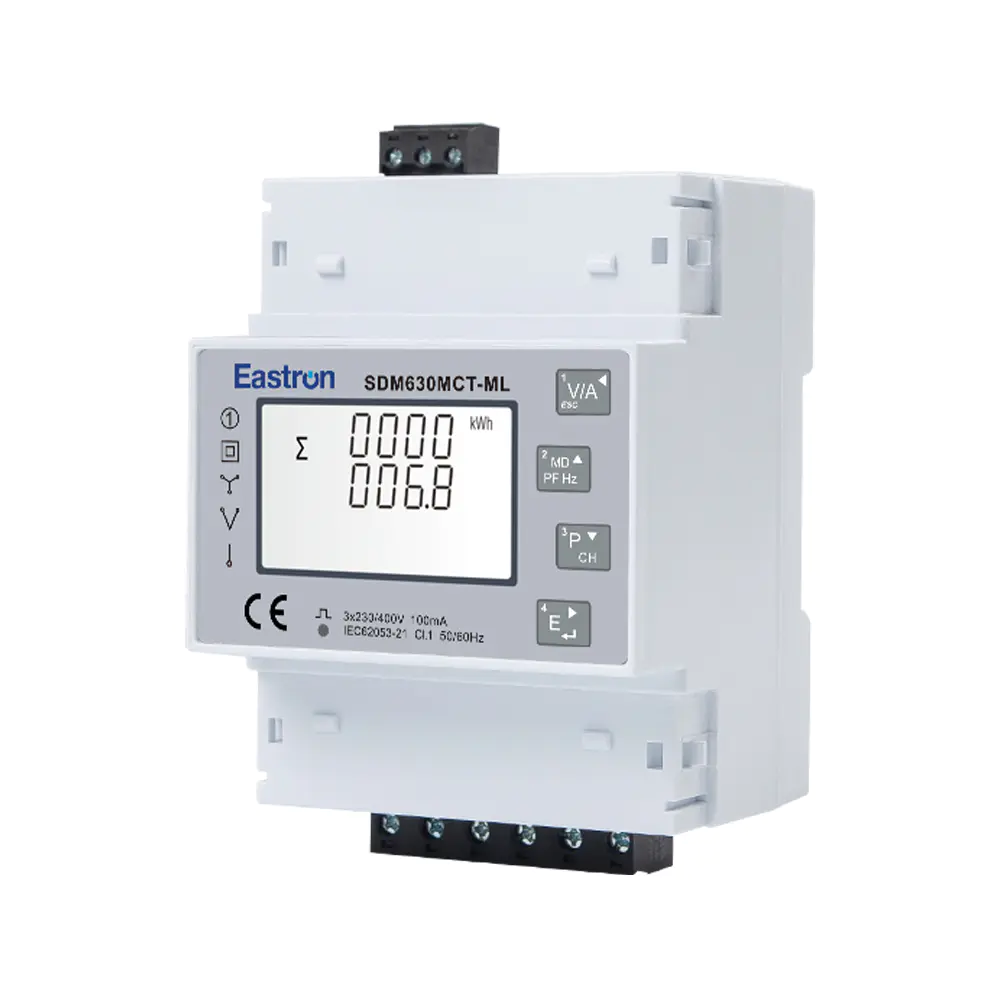
Multi-Circuit Three Phase Ethernet Modbus TCP Energy Meter for Data Center Metering
Aug 03,2022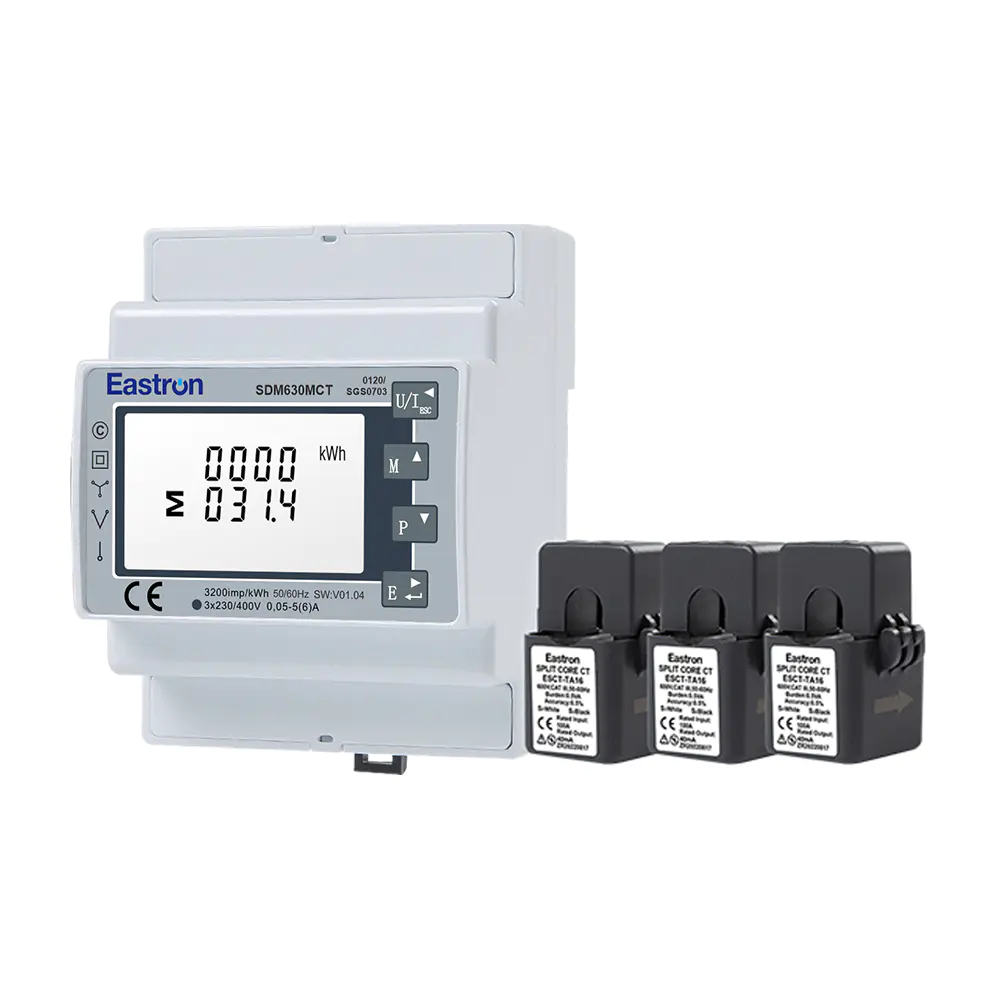
MID/UL CT Type Din Rail Three Phase Multi-function Energy Meter for EV Charging Metering
Nov 24,2022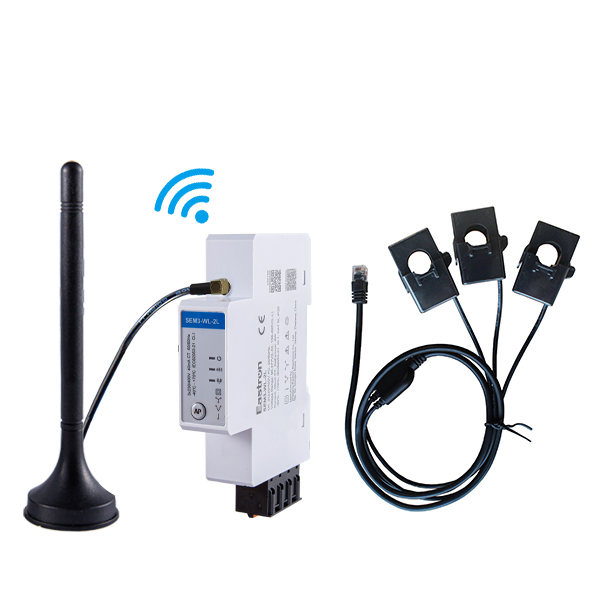
CT Type Three Phase Din Rail Wifi Energy Meter for PV Metering
May 30,2025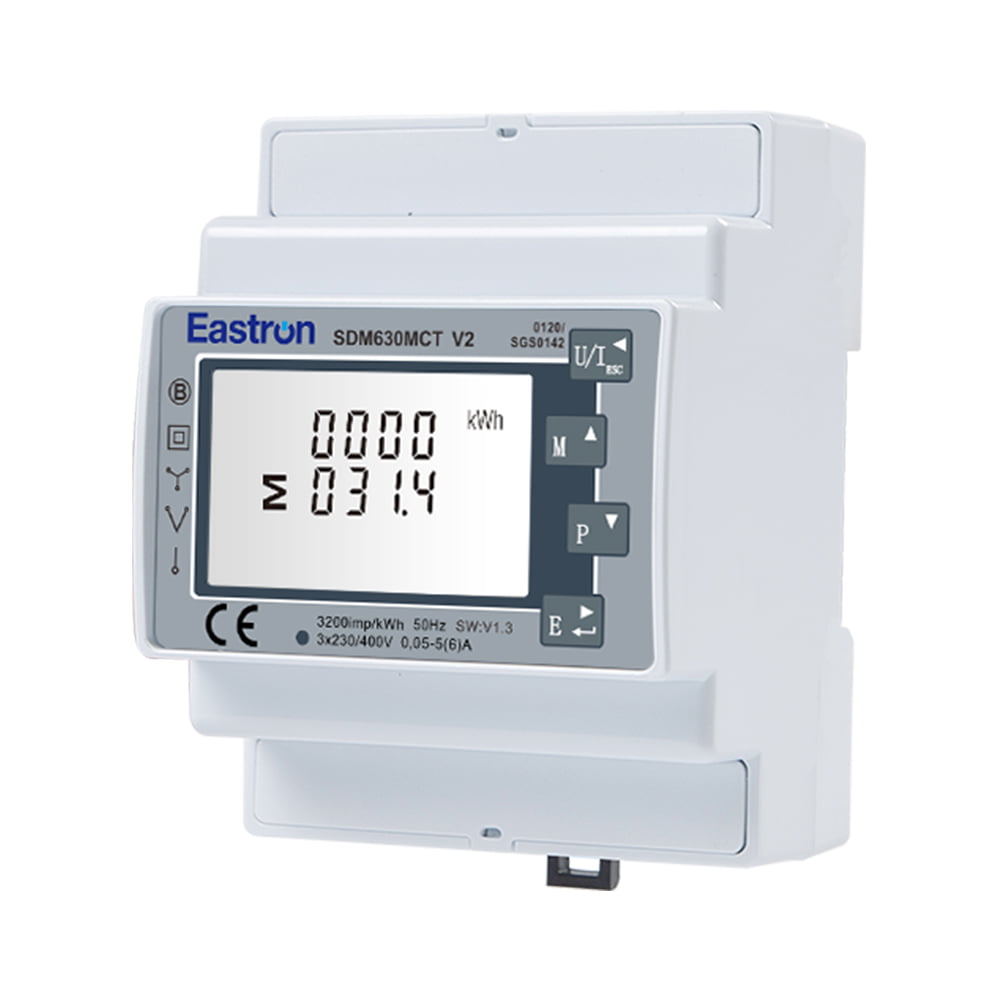
MID Approved CT Type Din Rail Three Phase Multi-function Solar PV /Zero Export Meter for PV Metering
Nov 24,2022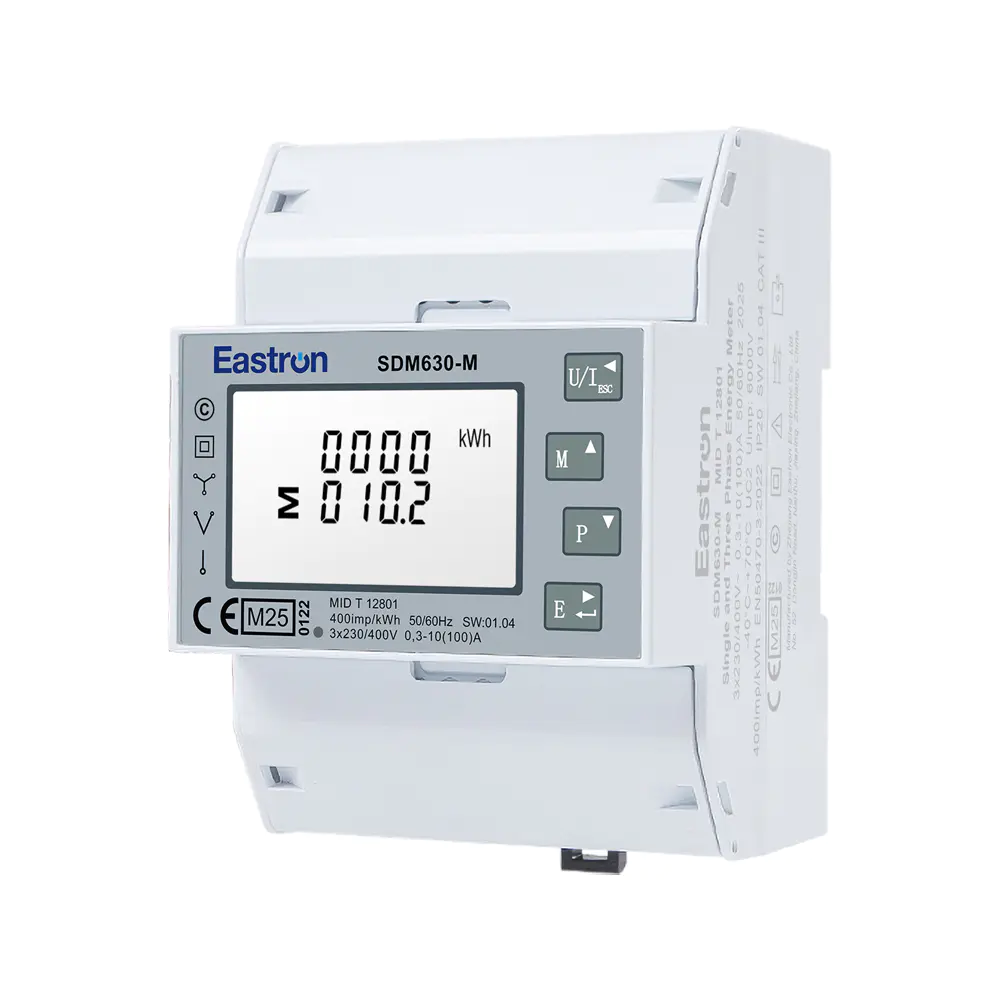
MID UL Certified Din Rail Three Phase Multi-function Energy Meter for EV Charging Metering
Aug 02,2022Content
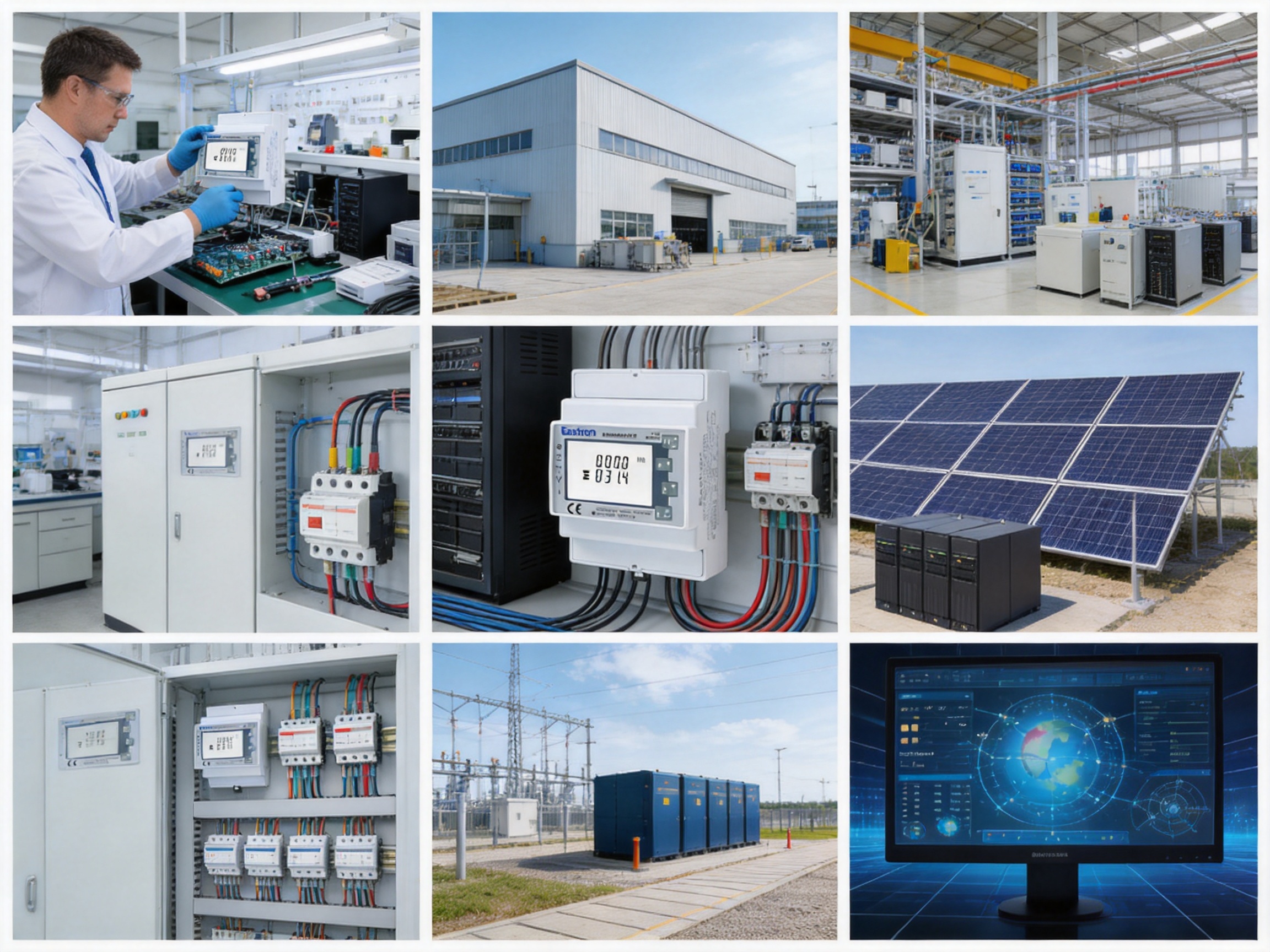
Modern electrical installations require more than a simple measurement of total energy consumption. Commercial buildings, industrial facilities, renewable energy systems, data centers, infrastructure projects, and distributed power networks increasingly need accurate information about voltage, current, active power, reactive power, apparent power, power factor, frequency, demand, and energy flow. They also need that information to be available to supervisory software, building management systems, energy dashboards, and automated control platforms.
The SDM630MCT-MT is designed for these requirements. It is a multi-function, multi-tariff, CT-operated, three-phase energy meter intended for installation on a DIN rail. The meter supports 1P2W, 1P3W, 3P3W, and 3P4W systems, accepts either 1 A or 5 A current transformer secondary inputs, and provides RS485 Modbus communication together with two pulse outputs. Its compact four-module, 72 mm housing makes it suitable for control panels where space is limited but advanced measurement functionality is required.
In addition to monitoring energy consumption, the meter supports bidirectional measurement and can be used in applications where electricity flows in both directions. This makes it suitable for installations with photovoltaic generation, battery storage, backup generators, private networks, and other distributed energy resources. Multi-tariff functions allow energy to be recorded across different time periods, helping operators understand how consumption varies between peak, shoulder, and off-peak periods.
Behind this product is Eastron Electronic Co., Ltd., a manufacturer focused on electricity meters, power analyzers, current sensors, communication modules, and energy measurement solutions. The company combines product development, laboratory testing, manufacturing, certification, and technical support to serve customers in a wide range of international markets.
Electrical energy is rarely consumed at a constant rate throughout the day. A factory may operate multiple production shifts, an office building may experience its highest demand during business hours, and a commercial facility may have different energy prices during peak and off-peak periods. Without interval or tariff-based information, the total energy figure alone cannot explain when energy was used or why costs increased.
An advanced meter provides a more complete view. It can measure the electrical conditions of a system, calculate power and energy values, and communicate the results to a central monitoring platform. These capabilities help users identify abnormal loads, evaluate equipment performance, verify energy-saving measures, and allocate energy costs among departments, tenants, production lines, or buildings.
Three-phase systems also create measurement challenges that are not present in simple single-phase applications. A meter must correctly measure each phase, account for phase relationships, support balanced or unbalanced loads, and operate reliably across the expected voltage and current range. The SDM630MCT-MT addresses these requirements with a flexible three-phase architecture and CT-operated current measurement.
Current transformers provide an important advantage in medium- and higher-current installations. Instead of routing the full load current through the meter, the transformer produces a smaller secondary current, commonly 1 A or 5 A, proportional to the primary current. The meter measures this secondary signal while the CT primary rating is configured according to the installation. This allows the same meter platform to be used with a broad range of primary current ratings.
The SDM630MCT-MT is a three-phase, multi-function energy meter with a DIN rail form factor. It is designed for panel builders, system integrators, electrical contractors, facility operators, and energy management professionals who need detailed electrical measurements in a compact enclosure.
The meter can be used on 1P2W, 1P3W, 3P3W, and 3P4W systems. This broad wiring compatibility reduces the need to select different meter families for different network arrangements. It can measure electrical quantities on three-phase AC systems and uses RMS measurement, including harmonics, to provide a more representative view of actual operating conditions.
Its CT secondary input can be configured for 1 A or 5 A operation, while the CT primary value can be set from 1 A to 9999 A. This enables the device to work with a large selection of current transformers. The rated voltage is 3 x 230/400 V AC, with a voltage range of 100–277 V AC line-to-neutral and 173–480 V AC line-to-line.
The unit requires an auxiliary power supply, which allows the meter electronics and communications interface to remain powered independently of the measured load circuit. This arrangement is particularly useful in control panels and energy management systems where stable meter operation and reliable communications are important.
The product includes two pulse outputs and an RS485 Modbus RTU interface. Pulse outputs can be connected to pulse counters, data loggers, programmable logic controllers, or building management systems. RS485 Modbus provides a practical method for integrating the meter into larger energy monitoring networks.
Multi-tariff operation supports up to four tariffs and ten time segments. Tariff schedules can be configured through RS485 communication, making the meter suitable for applications in which energy use must be separated by time of day or operating period.
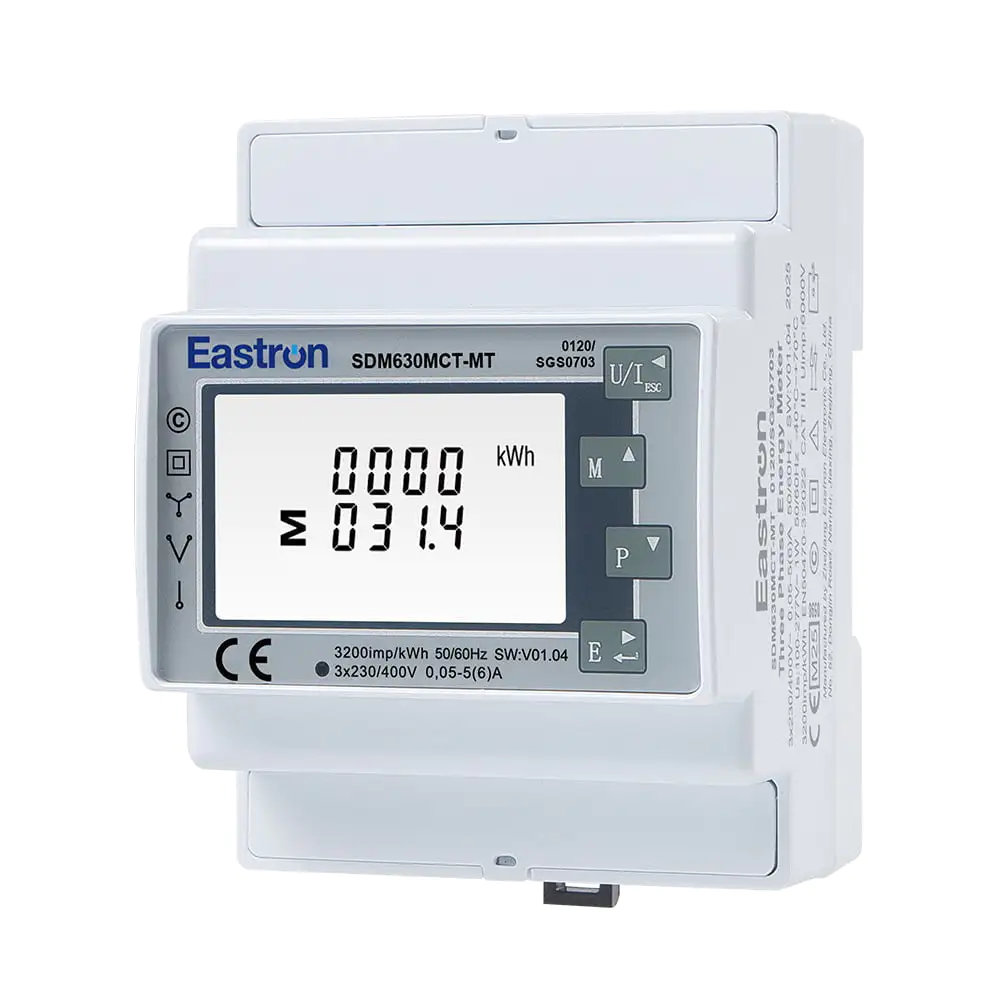
Multi-tariff CT Operated RS485 Din Rail Three Phase UL Energy Meter
One of the main advantages of the meter is its support for multiple system configurations. It can operate with 1P2W, 1P3W, 3P3W, and 3P4W networks. This allows a single product family to serve residential three-wire systems, industrial three-wire systems, and four-wire systems with a neutral conductor.
For distributors and panel manufacturers, this flexibility simplifies product selection and inventory planning. For installers, it reduces the risk of using a meter that is unsuitable for the system topology. For system integrators, it makes standardized panel designs easier to repeat across multiple projects.
Three-phase four-wire systems are common in commercial buildings and industrial facilities because they can supply both three-phase equipment and single-phase loads. Three-phase three-wire systems are also widely used for motors, industrial machinery, and other balanced or nearly balanced loads. The meter’s broad compatibility allows it to be deployed in both environments when correctly wired and configured.
Direct-connected meters are practical for installations with relatively low current, but larger electrical systems generally require current transformers. A CT-operated meter is separated from the main load current, allowing the measuring device to remain compact while the CT handles the primary current.
The SDM630MCT-MT accepts either 1 A or 5 A CT secondary inputs. Its configurable CT primary range of 1–9999 A supports applications ranging from smaller sub-distribution panels to large commercial or industrial feeders. The meter can therefore be matched to different CT ratios without changing the basic measurement platform.
Correct CT selection and installation remain essential. The CT primary rating should suit the maximum expected current, the secondary rating must match the meter configuration, polarity must be observed, and the CT secondary circuit should be handled according to applicable safety practices. When these requirements are followed, CT operation provides an efficient and scalable approach to current measurement.
The product measures more than active energy. It can provide information about kilowatt-hours, kilovar-hours, watts, vars, volt-amperes, power factor, frequency, demand, and voltage. Current and other electrical values can also be evaluated through the meter’s measurement system.
This range of values helps users move from basic billing or consumption recording to genuine power quality and operational analysis. For example, a low power factor may indicate that inductive loads are affecting the installation. A persistent phase voltage imbalance may reveal a distribution problem. Unexpected reactive power may suggest that compensation equipment requires inspection. Excessive demand during a particular time period may identify an opportunity for load scheduling.
Because the meter evaluates RMS quantities including harmonics on a three-phase AC system, it is designed to reflect the actual electrical behavior of modern loads more effectively than a simple average-value instrument. Variable-speed drives, switching power supplies, LED drivers, computers, and other electronic equipment may produce non-sinusoidal current waveforms. Harmonic-inclusive RMS measurement is therefore valuable for practical monitoring.
Traditional energy measurement often assumes that electricity flows from the utility or main source toward the load. Modern facilities can operate differently. Solar inverters may export power, batteries may charge and discharge, and generators may operate in parallel with the grid. In these situations, the direction of energy flow can change.
Bidirectional measurement allows the meter to distinguish energy moving into and out of the monitored system. This supports applications such as photovoltaic generation monitoring, battery energy storage, microgrids, net energy analysis, and generator performance evaluation.
Bidirectional measurement also provides a more complete view of a facility’s energy balance. Operators can compare imported energy with exported energy, investigate reverse power conditions, and evaluate the effect of on-site generation. When connected to a suitable software platform, the data can be used for trend analysis and operational reporting.
Energy prices may vary according to time of day, season, demand period, or utility tariff structure. A meter that records only a single accumulated energy value cannot show how much energy was consumed during each pricing period. The multi-tariff function of the SDM630MCT-MT addresses this limitation.
The unit supports a maximum of four tariffs and ten time segments. These settings can be configured through RS485 communication. Different tariffs may be assigned to defined periods, allowing users to separate consumption into suitable time categories.
This function is useful in manufacturing, commercial property management, public infrastructure, and energy cost analysis. A facility manager can review whether production or high-load processes occur during expensive periods. A consultant can evaluate the economic impact of shifting certain loads. A building operator can compare weekday, weekend, daytime, and nighttime usage patterns.
Multi-tariff recording also improves the value of sub-metering. When individual departments or tenants are measured with tariff awareness, energy allocation can reflect the actual cost structure more accurately than a flat-rate calculation.
The integrated RS485 interface provides a practical connection to supervisory systems. RS485 is widely used in industrial control panels and building automation because it supports long-distance communication, multi-device networks, and robust differential signaling.
The meter supports Modbus RTU communication with addresses from 1 to 247. Transmission speeds range from 2400 bps to 38400 bps, and parity can be set to none, odd, or even. One or two stop bits can be selected according to the requirements of the host system.
The maximum stated transmission distance is 1000 meters under appropriate installation conditions. Actual performance depends on cable quality, grounding, network topology, electromagnetic interference, termination, and the number of connected devices. A properly designed RS485 network can connect multiple meters to a gateway, programmable controller, supervisory computer, or energy management server.
Modbus integration allows measurement data to be used in applications such as live dashboards, alarms, historical databases, automated reports, demand management, and remote diagnostics. It also allows tariff and time-segment settings to be configured through the communication network rather than manually at every meter.
Although digital communication is increasingly common, pulse outputs remain useful. They provide a simple and widely understood method of transmitting energy accumulation information to external systems. A pulse counter, data logger, building controller, or legacy monitoring platform can receive pulses without implementing a complete Modbus data collection system.
The product includes two pulse outputs. This provides additional flexibility for system designers and can support separate energy channels or different monitoring arrangements, depending on the configured application. Pulse-based integration can also provide a basic backup measurement path if the primary communication network is temporarily unavailable.
The four-module, 72 mm wide housing is designed for installation in standard electrical control panels and distribution boards. DIN rail mounting reduces installation time and supports clean, repeatable panel layouts.
Compact dimensions are especially valuable in retrofit projects. Existing panels often have limited free space, and adding separate instruments for voltage, current, power, power factor, frequency, and energy can be impractical. A multi-function meter consolidates these functions into one housing, leaving more room for protection devices, terminal blocks, communication equipment, and control components.
The compact design also benefits original equipment manufacturers that need to build standardized equipment with predictable enclosure dimensions. Panel layouts can be developed around the meter and reproduced across different machine or facility projects.
Measurement accuracy is an important consideration when selecting an energy meter. The product specifications state voltage accuracy of ±0.5%, current accuracy of ±0.5%, frequency accuracy of ±0.2%, and power factor accuracy of ±1%. Active power, reactive power, and apparent power are specified at ±1%.
For active energy, the meter is specified as Class 0.5S according to IEC 62053-22. Reactive energy is specified as Class 2 according to IEC 62053-23. These classifications provide an established basis for evaluating energy measurement performance.
Accuracy in a complete installation depends not only on the meter itself. The current transformer accuracy, CT ratio, phase angle characteristics, wiring, voltage stability, installation environment, and configuration settings all influence the final result. A high-quality meter should therefore be installed with CTs and accessories appropriate to the required accuracy level.
The minimum current is specified as 0.05 A, while the starting current is 5 mA. These characteristics help the meter respond to low-level currents while maintaining its suitability for a broad operating range. Project engineers should review the expected load profile and select current transformers that provide satisfactory performance at both normal and peak load conditions.
| Parameter | Specification |
|---|---|
| Measurement system | RMS measurement including harmonics on three-phase AC systems |
| Supported wiring | 1P2W, 1P3W, 3P3W, 3P4W |
| CT secondary input | 1 A or 5 A |
| CT primary setting | 1–9999 A |
| Rated voltage | 3 x 230/400 V AC |
| Voltage range | 100–277 V AC line-to-neutral; 173–480 V AC line-to-line |
| Voltage accuracy | ±0.5% |
| Current accuracy | ±0.5% |
| Frequency accuracy | ±0.2% |
| Power factor accuracy | ±1% |
| Active energy accuracy | Class 0.5S, IEC 62053-22 |
| Reactive energy accuracy | Class 2, IEC 62053-23 |
| Communication | RS485 Modbus RTU |
| Pulse outputs | Two pulse outputs |
| Housing | Four modules, 72 mm wide, DIN rail mounting |
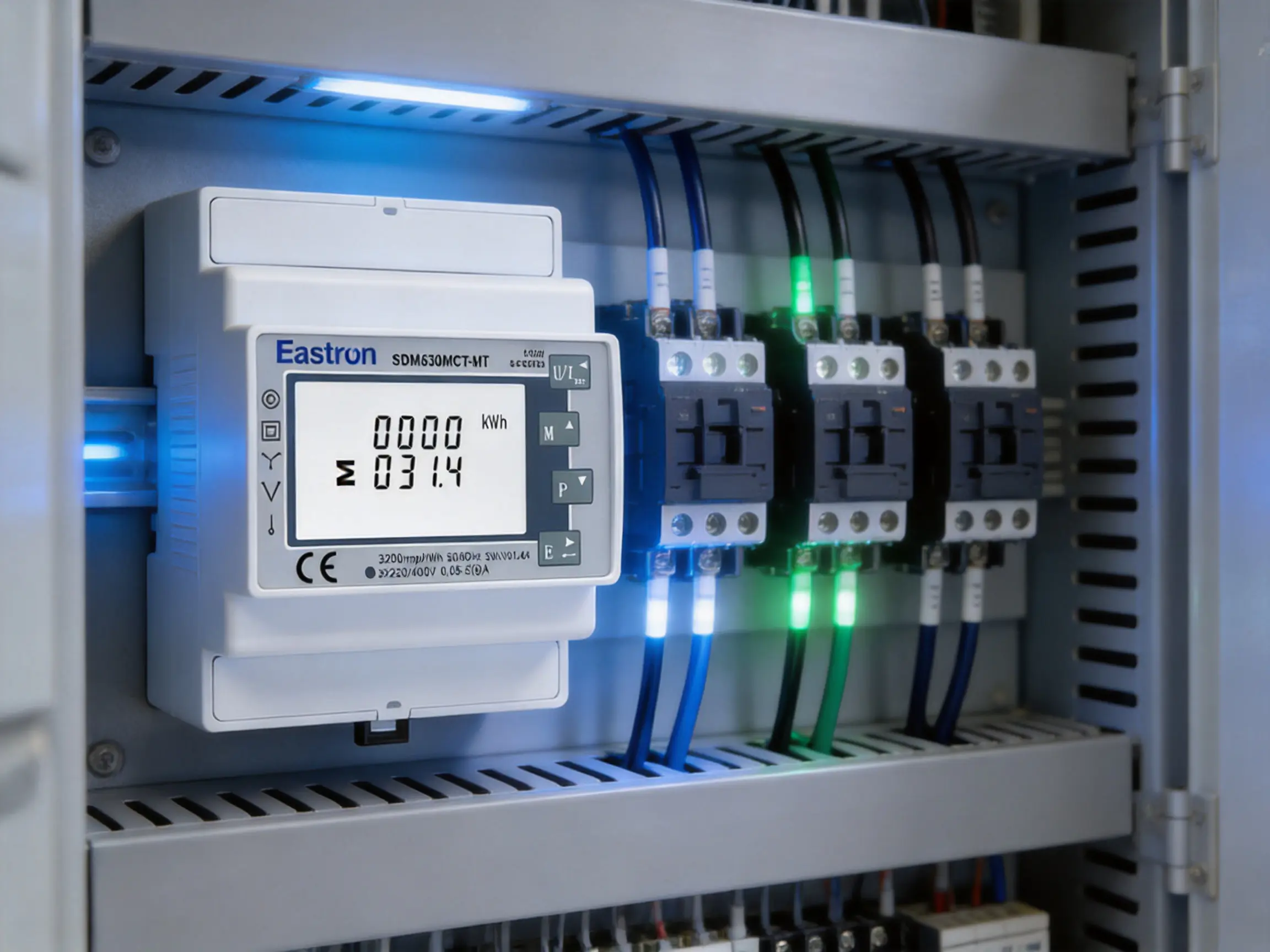
The main competitive advantage of the SDM630MCT-MT is not a single isolated feature. Its value comes from the combination of measurement range, wiring flexibility, tariff support, communication, CT operation, compact construction, and certification.
A basic energy meter may display or transmit only accumulated kilowatt-hours. Such a device can be adequate when the only requirement is total energy recording. However, it provides limited insight into the electrical condition of the system.
The multi-function meter adds voltage, current, power, reactive power, apparent power, power factor, frequency, demand, and other measurements. These values help users diagnose operational issues and make better decisions about energy efficiency. The additional information can reduce the need for separate instruments, lowering panel complexity and potentially reducing installation labor.
Direct-connected meters are generally limited by the maximum current that can safely pass through their terminals. CT-operated meters are better suited to larger feeders and higher-current systems. By using external CTs, the measurement platform can be adapted to different primary current ratings.
The CT approach is also useful when the main conductor size or busbar arrangement makes direct connection impractical. The meter can remain compact while the current transformer is selected according to the physical and electrical characteristics of the feeder.
A meter without tariff segmentation may record total energy accurately but cannot automatically separate that energy into different pricing periods. Users must rely on external software calculations or manual analysis, and the required data may not be available at the appropriate resolution.
Built-in multi-tariff capability simplifies time-based energy accounting. It allows tariff schedules to be configured through the communication system and enables the meter to maintain separate energy records according to the defined time segments.
A one-direction meter is less suitable for installations with solar generation, battery storage, or parallel generation. A bidirectional meter provides a more complete picture of imported and exported energy and can support better evaluation of distributed energy resources.
Separate analog meters for voltage, current, frequency, and power factor consume panel space and generally require manual reading. A digital multi-function meter consolidates these measurements and makes them available through communications. This supports automatic recording, remote access, and integration with modern energy management platforms.
The SDM630MCT-MT has been assessed and certified as meeting the requirements of UL 61010. Certification to a recognized safety standard is important for equipment used in control panels, industrial systems, commercial buildings, and international projects.
UL certification can assist engineers, contractors, authorities, and end users during product selection and project approval. It demonstrates that the product has been evaluated against relevant safety requirements within the scope of the certification. Project teams should still review the exact certification documentation, installation conditions, system voltage, enclosure requirements, and local regulations for each application.
The product’s energy measurement specifications also reference IEC 62053-22 for active energy and IEC 62053-23 for reactive energy. These standards provide recognized classifications for meter performance and support consistent technical evaluation across projects and regions.
Eastron Electronic Co., Ltd. focuses on electricity meters, power analyzers, current sensors, communication modules, and energy management systems. This specialization enables the company to develop products around practical measurement requirements rather than treating metering as an unrelated accessory.
The company’s product development activities cover hardware, embedded software, communications, measurement functions, and system integration. This broad technical scope is important for a product such as the SDM630MCT-MT, where accurate sensing must work together with display functions, tariff logic, pulse outputs, and Modbus communication.
Energy meters are increasingly software-enabled devices. Configuration, tariff scheduling, communication mapping, data processing, and remote system integration all influence the user experience. A manufacturer with expertise in both electronics and embedded software can better coordinate these functions.
The company has established a professional laboratory capable of conducting EMC, LVD, accuracy, and environmental testing according to IEC, EN, GB, and UL requirements. These test capabilities support product validation before and during production.
Electromagnetic compatibility testing helps evaluate how the meter behaves in environments containing switching devices, drives, relays, contactors, power converters, and communication equipment. Low-voltage directive-related testing addresses electrical safety considerations. Accuracy testing verifies measurement performance, while environmental testing helps assess operation under changing temperature, humidity, and other conditions.
In-house or closely controlled laboratory capability can shorten development feedback cycles. Engineers can identify design weaknesses, adjust hardware or software, and repeat testing more efficiently. It also supports more consistent product verification than relying only on final inspection.
Eastron follows the ISO 9001 quality management system. A quality management framework helps organize design control, supplier management, production procedures, inspection, corrective action, documentation, and customer feedback.
For energy meters, quality management is especially important because a small configuration error can affect the interpretation of energy data. CT ratio settings, wiring references, firmware behavior, communication parameters, and calibration values must be controlled throughout the production process.
Consistent manufacturing procedures also help ensure that products supplied to different countries and industries maintain the same expected electrical and communication characteristics. This is valuable for system integrators that need to deploy a product across multiple sites.
The company maintains development teams in China and the United Kingdom. Combining engineering resources from different locations can support broader market awareness, product refinement, and international application knowledge.
Electrical measurement products must often satisfy varied regional standards, utility practices, installation methods, and communication requirements. International development experience helps the manufacturer understand these differences and adapt product design, documentation, and support accordingly.
The company holds patented technologies in software, embedded software, and hardware. Intellectual property in these areas may contribute to measurement algorithms, user interfaces, communication methods, power management, signal processing, or mechanical design.
For a multi-function meter, innovation is not limited to visible features. Important engineering work may exist within the signal acquisition chain, calibration process, data calculation, fault handling, and communication architecture. These internal technologies help the meter provide stable and useful data in practical applications.
Eastron products and services have been supplied to more than 50 countries across Europe, Asia-Pacific, America, the Middle East, and Africa. International supply experience requires more than manufacturing capacity. It involves documentation control, packaging, certification support, technical communication, order coordination, and after-sales service.
For distributors and project contractors, an established international supply network can reduce procurement uncertainty. It also helps customers obtain consistent product information and technical assistance during installation and commissioning.
The SDM630MCT platform is available in several communication configurations. The standard SDM630MCT and SDM630MCT-MT versions provide two pulse outputs and RS485 Modbus. The SDM630MCT-2T version adds dual power source capability. Other variants provide M-Bus EN13757 communication, dual power source options, or LoRaWAN communication.
This product-family approach gives system designers room to adapt communication methods to project requirements. RS485 Modbus is well suited to industrial control and building management networks. M-Bus is widely used in utility and metering applications. LoRaWAN can support wireless deployments where long cable runs are difficult or where distributed meters need to communicate over a low-power wide-area network.
Although the SDM630MCT-MT itself is focused on multi-tariff RS485 Modbus operation, the availability of related versions can simplify platform standardization. An organization may use the same general meter family across different projects while selecting the communication interface best suited to each site.
Office buildings, shopping centers, hotels, and mixed-use properties can use the meter for main incoming supplies, tenant sub-metering, HVAC circuits, lighting distribution, and equipment monitoring. Multi-tariff measurement can help compare energy use during occupied and unoccupied periods.
Factories can install CT-operated meters on production lines, distribution feeders, motor control centers, compressor systems, and high-load equipment. Measurements of power factor, reactive power, demand, and current can support maintenance and energy optimization.
Bidirectional measurement makes the product suitable for monitoring energy imported from the grid and energy exported from photovoltaic or storage systems. Engineers can use the information to evaluate self-consumption, charging behavior, export periods, and overall site energy balance.
Data centers require reliable electrical monitoring for power distribution units, cooling systems, backup systems, and auxiliary loads. The meter’s communication interface allows information to be collected by supervisory software, while its compact form factor helps fit monitoring into dense electrical panels.
In a building energy management system, the meter can provide real-time and accumulated values for dashboards, alarms, historical reports, and energy performance indicators. The multi-tariff function can also support cost analysis and demand reduction programs.
Schools, universities, hospitals, transport facilities, and government buildings often contain multiple distribution areas and operating schedules. Sub-metering can reveal which areas consume the most energy and whether conservation programs produce measurable improvements.
Professional installation is essential for reliable measurement and safe operation. The installer should confirm the system voltage, wiring topology, CT secondary rating, CT primary rating, phase sequence, polarity, auxiliary supply, communication settings, and pulse output requirements before energizing the installation.
Current transformer polarity must be observed. If a CT is installed in the wrong direction, power and energy readings may be incorrect or may indicate reverse energy flow when the actual system is consuming power. CT secondary wiring should also be installed according to applicable electrical safety procedures.
The voltage connections should correspond to the selected wiring mode. A 3P4W installation, for example, is configured differently from a 3P3W installation. Incorrect wiring may lead to inaccurate phase values or communication of misleading power calculations.
For RS485 communication, installers should use suitable twisted-pair cable, observe A and B polarity, apply appropriate termination where required, and avoid unsuitable star topologies in long or high-speed networks. Communication addresses must be unique on the same bus. Baud rate, parity, and stop-bit settings must match the host system.
The CT primary value and secondary value must be configured correctly in the meter. If the physical CT is rated at 800/5 A but the meter is configured for a different ratio, the measured current and energy values will not represent the actual installation.
Tariff schedules should be reviewed after configuration. The commissioning engineer should verify the real-time clock, tariff start and end times, number of active tariffs, and time segments. Test readings should be compared with a reference instrument when necessary.
A meter produces the greatest value when its data is converted into decisions. Connecting the SDM630MCT-MT to an energy management system allows users to establish a history of electrical behavior rather than relying on occasional manual readings.
Historical data can identify baseline consumption, peak demand periods, abnormal nighttime loads, seasonal changes, and the effect of equipment upgrades. Power factor trends can support capacitor bank maintenance. Voltage and current data can help reveal overloads or phase imbalance. Bidirectional energy records can show how renewable generation affects grid dependence.
Tariff-based data adds an economic dimension. Operators can compare energy consumed during each tariff period and determine whether load shifting is practical. For example, battery charging, water heating, pumping, or selected production activities may be scheduled during lower-cost periods if the operational process allows it.
Alarm systems can be configured around thresholds for voltage, current, power, frequency, demand, or power factor. Early notification may help prevent equipment damage, reduce downtime, or identify an abnormal condition before it becomes a larger fault.
The meter can also support verification of energy-saving projects. Before-and-after measurement is more reliable when the same type of instrument is used under comparable operating conditions. By monitoring energy and power data over time, facility managers can assess whether new controls, efficient motors, improved insulation, lighting upgrades, or operating changes have delivered the expected results.
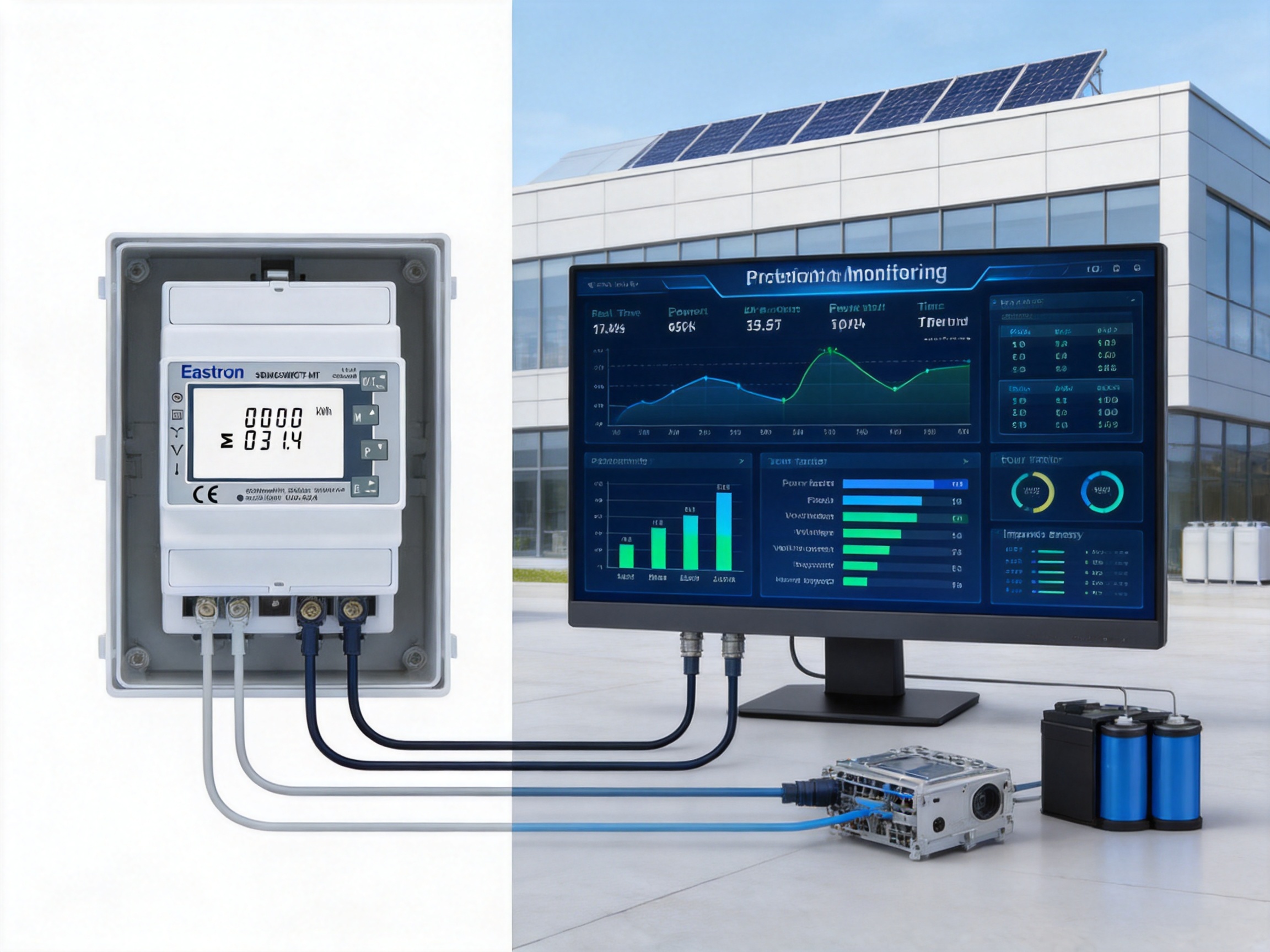
Electrical metering projects are often evaluated on more than initial purchase price. Engineering teams consider installation time, panel space, communication compatibility, certification, accuracy, expandability, documentation, supply reliability, and technical support.
The SDM630MCT-MT offers a balanced feature set for these requirements. Its four-module width helps reduce panel space. Its CT operation supports higher-current systems. Its multi-function measurement reduces the need for separate instruments. Its RS485 Modbus interface is compatible with many existing automation platforms. Its pulse outputs provide an additional integration option. Its multi-tariff function supports cost-sensitive applications. Its bidirectional measurement supports modern energy systems.
The manufacturer’s laboratory, quality management system, international experience, and product development capabilities add further value. These strengths help customers select a meter that can be used not only in one installation but also as part of a repeatable metering strategy across multiple sites.
Another advantage is the wider platform around the meter. Organizations may begin with an RS485 Modbus model and later use related M-Bus, dual-power-source, or LoRaWAN versions where project requirements differ. This can reduce the effort involved in qualifying entirely different products for each communication environment.
Before ordering or installing the meter, project teams should confirm the following points:
It is a CT-operated, three-phase, multi-function energy meter with multi-tariff capability, two pulse outputs, and RS485 Modbus communication. It is designed for DIN rail installation in electrical panels.
The meter supports 1P2W, 1P3W, 3P3W, and 3P4W configurations. The correct wiring mode must be selected and the voltage connections must be installed according to the application.
The meter supports 1 A and 5 A CT secondary inputs. The CT primary setting can be configured from 1 A to 9999 A.
Yes. It supports bidirectional measurement, making it suitable for systems with photovoltaic generation, battery storage, generators, or other sources that may export energy.
The meter supports up to four tariffs and ten time segments. Tariff and time-segment settings can be configured through RS485 communication.
Available measurements include active energy, reactive energy, active power, reactive power, apparent power, power factor, frequency, voltage, current, and demand, along with other electrical parameters supported by the meter.
The standard communication interface is RS485 Modbus RTU. The communication address range is 1–247, transmission speeds range from 2400 bps to 38400 bps, and parity and stop-bit settings can be selected.
Yes. The product includes two pulse outputs. These can be connected to suitable pulse counters, data loggers, controllers, or monitoring systems.
The product has been assessed and certified as meeting the requirements of UL 61010. Project engineers should confirm the specific certification documents and application conditions for their installation.
Active energy is specified as Class 0.5S according to IEC 62053-22. Reactive energy is specified as Class 2 according to IEC 62053-23.
Yes. The unit requires an auxiliary AC or DC power supply to operate the meter electronics and associated functions. The auxiliary supply should be selected and installed according to the product documentation.
Typical applications include commercial buildings, industrial distribution systems, renewable energy installations, battery systems, data centers, public facilities, building energy management systems, and sub-metering projects.
It combines CT-operated measurement, multiple wiring configurations, multi-function electrical analysis, bidirectional measurement, multi-tariff recording, two pulse outputs, RS485 Modbus communication, and compact DIN rail installation in one product.
The installer should check system wiring, voltage, CT ratio, CT polarity, phase sequence, auxiliary power, communication parameters, Modbus address, tariff schedule, and the accuracy of representative readings against a suitable reference instrument.
The SDM630MCT-MT is designed for electrical systems that require more than total energy accumulation. Its CT-operated architecture supports higher-current applications, while its compatibility with 1P2W, 1P3W, 3P3W, and 3P4W systems provides flexibility for different network designs.
Its measurement capabilities cover the main electrical parameters required for energy management and operational analysis. Bidirectional measurement supports renewable generation and storage applications. Multi-tariff recording helps organizations understand energy use across different time periods. RS485 Modbus and pulse outputs provide practical integration options, while the four-module DIN rail housing simplifies panel installation.
The product’s UL certification, IEC-referenced energy accuracy classifications, professional laboratory capabilities, ISO 9001 quality management, international development resources, and global supply experience strengthen its suitability for competitive industrial and commercial projects.
For organizations seeking a scalable and communicative energy measurement platform, the meter provides a useful combination of technical flexibility, compact construction, measurement performance, and system integration capability. When correctly selected, installed, configured, and connected to an energy management strategy, it can help transform electrical data into improved reliability, more transparent energy costs, and better-informed operational decisions.
1. Product technical information for the SDM630MCT-MT multi-tariff CT-operated three-phase energy meter.
2. IEC 62053-22, Electricity Metering Equipment: Particular Requirements for Static Meters for Active Energy.
3. IEC 62053-23, Electricity Metering Equipment: Particular Requirements for Static Meters for Reactive Energy.
4. UL 61010, Safety Requirements for Electrical Equipment for Measurement, Control, and Laboratory Use.
5. IEC 62020 and related guidance concerning electrical measurement and monitoring practices.
6. Modbus application principles for serial communication networks using RS485 and Modbus RTU.
7. ISO 9001 quality management system principles for product design, manufacturing, inspection, and continual improvement.
Your email address will not be published. Required fields are marked *

We develop and produce high performance electricity meters, power analyzers, current sensors, communication modules and management systems.
Address:NO. 52, Dongjin Road, Nanhu, Jiaxing, Zhejiang, China
Copyright @ Eastron Electronic Co., Ltd. All rights reserved
