

 English
 Español
 Deutsch
 中文简体


Product Consultation
Your email address will not be published. Required fields are marked *
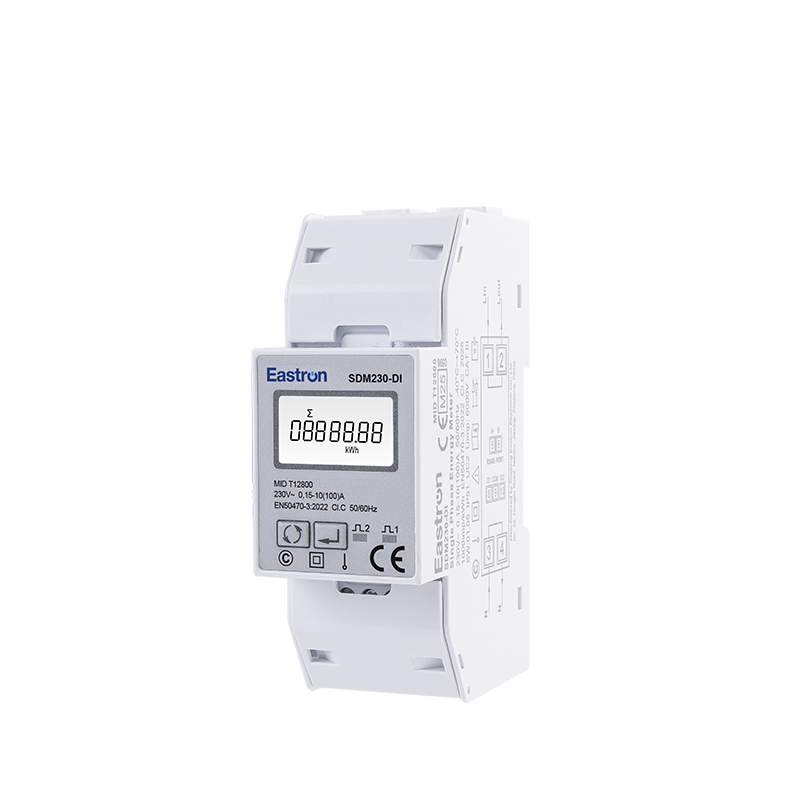
MID/ UL Approved Single Phase Din Rail Type Multi-function Energy Meter for EV Charging Metering
Nov 24,2022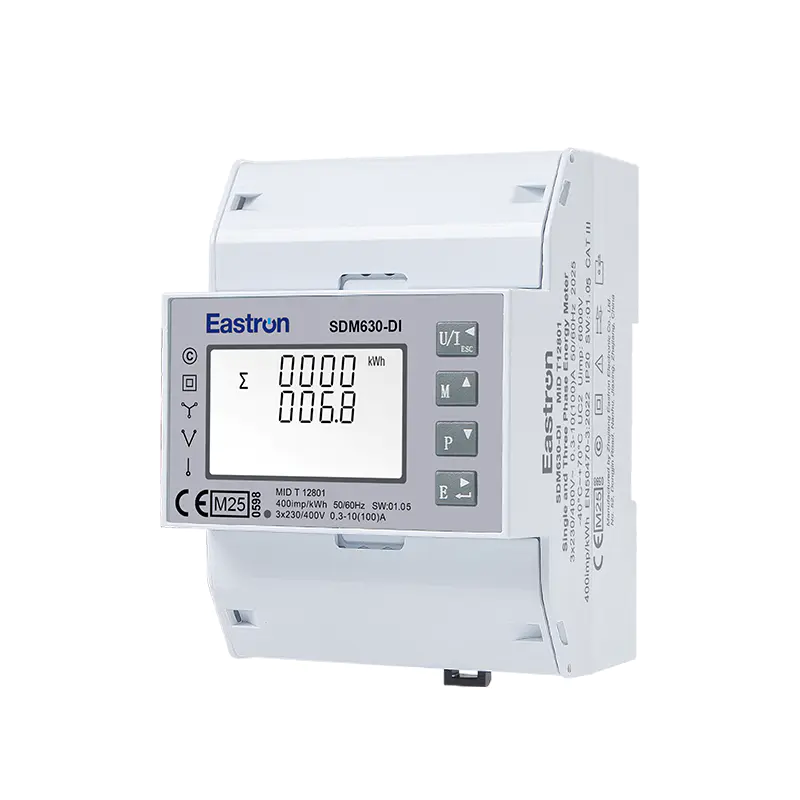
MID & UL Approved Three Phase Din Rail Type Multi-function Energy Meter for EV Charging Metering
Nov 24,2022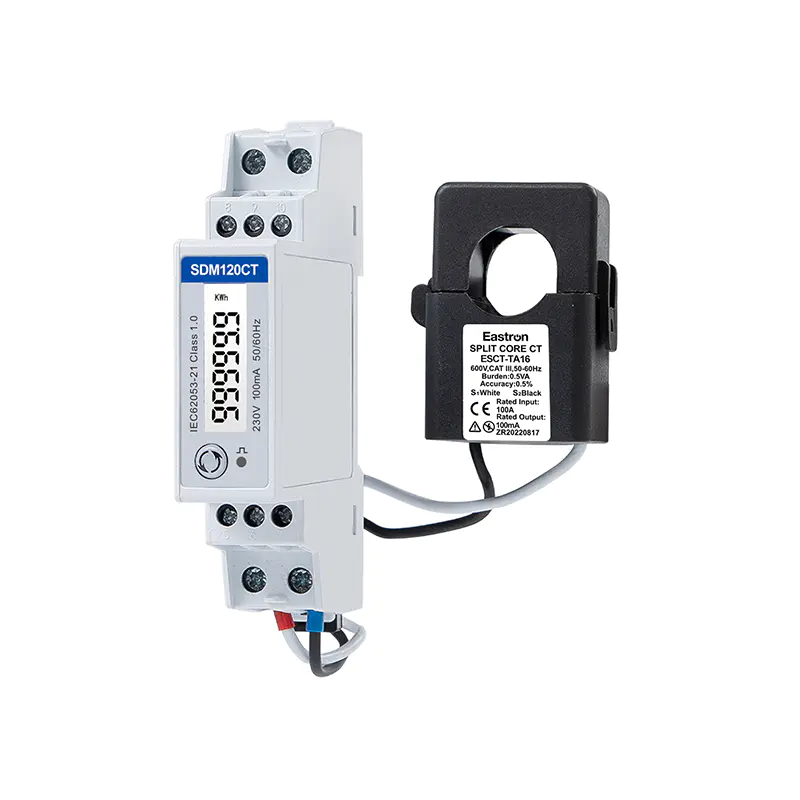
MID/RCM 100mA CT input Din Rail Single Phase Multi-function Solar PV /Zero Export Meter for PV Metering
Nov 24,2022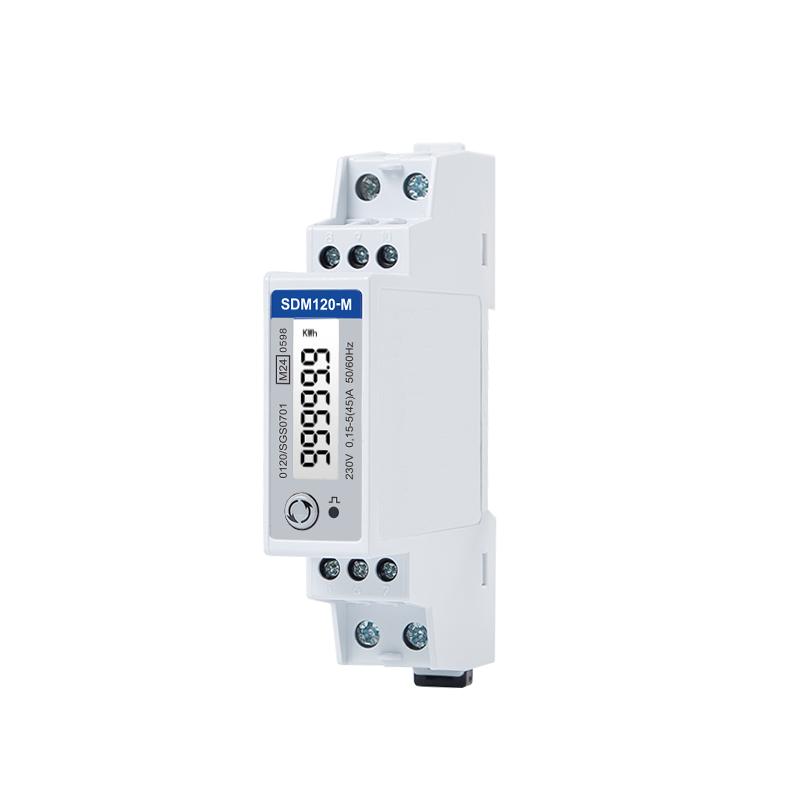
MID Din Rail Type Single Phase Multi-function Energy Meter for EV Charging Metering
Jul 26,2022
MID Approved Single Phase 100A Din Rail Type Multi-function EV meter for EV Charging Metering
Nov 24,2022
MID Approved Single Phase Energy Meter for EV Charging Metering
Nov 24,2022Content
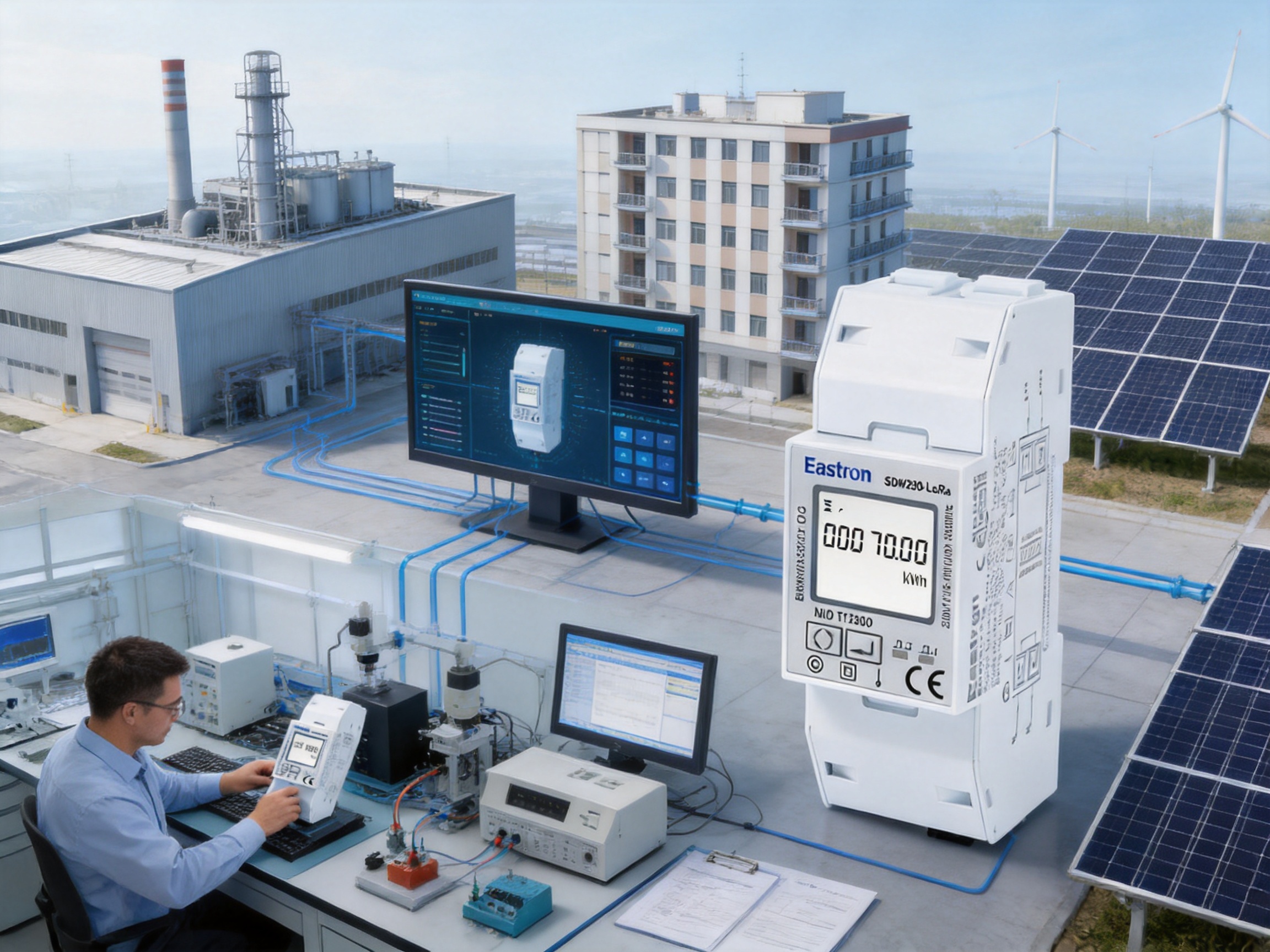
The transition from conventional electricity metering to connected energy management is changing the way residential, commercial, industrial and utility users monitor power consumption. Modern users increasingly require more than a simple cumulative energy reading. They need accurate measurements, remote access, flexible communication, automatic data transmission, reliable event handling and certified performance in a compact installation format.
The LoRaWAN 100A DIN rail single-phase MID energy meter, identified as the SDM230-Lora, is designed to meet these requirements. It combines direct 100A current measurement, multi-function electrical monitoring, pulse outputs, LoRaWAN wireless communication and certified energy measurement in a single DIN rail device. The meter is suitable for applications where conventional communication cabling is difficult, expensive or impractical.
Designed for single-phase, two-wire electrical systems, the meter measures active energy, reactive energy, voltage, current, active power, reactive power, apparent power, power factor and frequency. It supports automatic data uploading, configurable communication intervals, confirmation mechanisms, offline detection and automatic resume functions. These features make it appropriate for both basic energy monitoring and broader digital energy management systems.
The device supports a wide selection of LoRa frequency bands, including EU868, AS923, CN433, CN470, AU915 and US902 MHz. This regional flexibility allows the same product platform to serve different markets while supporting the frequency requirements of local LoRaWAN networks.
The SDM230-Lora is a single-phase, 100A direct-connected electricity meter installed on a standard DIN rail. It is intended for 1P2W applications and operates on a nominal 230V system. Its maximum current rating is 100A, allowing the meter to be connected directly into many residential, commercial and light industrial circuits without the need for an external current transformer.
Direct connection is one of the most important practical advantages of the product. A current transformer-based installation requires additional components, wiring, space and configuration. For circuits within the rated current range, direct connection simplifies installation and reduces the number of potential failure points. It also allows the meter to be installed in compact distribution boards, sub-metering panels, energy monitoring cabinets and equipment control systems.
The meter is classified as a multi-function energy meter because it provides more than a single kWh total. It can measure and communicate a broad group of electrical parameters, enabling users to understand not only how much energy is being consumed, but also how the electrical system is operating.
Its active energy accuracy is specified as Class 0.5 according to IEC 62053-22 and Class C according to EN 50470-3:2022. Reactive energy is measured to Class 2 according to IEC 62053-23. The stated accuracy specifications provide a foundation for dependable sub-metering, energy allocation, operational analysis and billing-related applications where the applicable regulatory requirements are satisfied.
The meter has also been approved to meet the requirements of EU Directive 2014/32/EU. MID compliance is especially important for applications involving regulated measurement, tenant billing, energy cost allocation or other situations in which metering performance must be demonstrated against recognized European requirements.
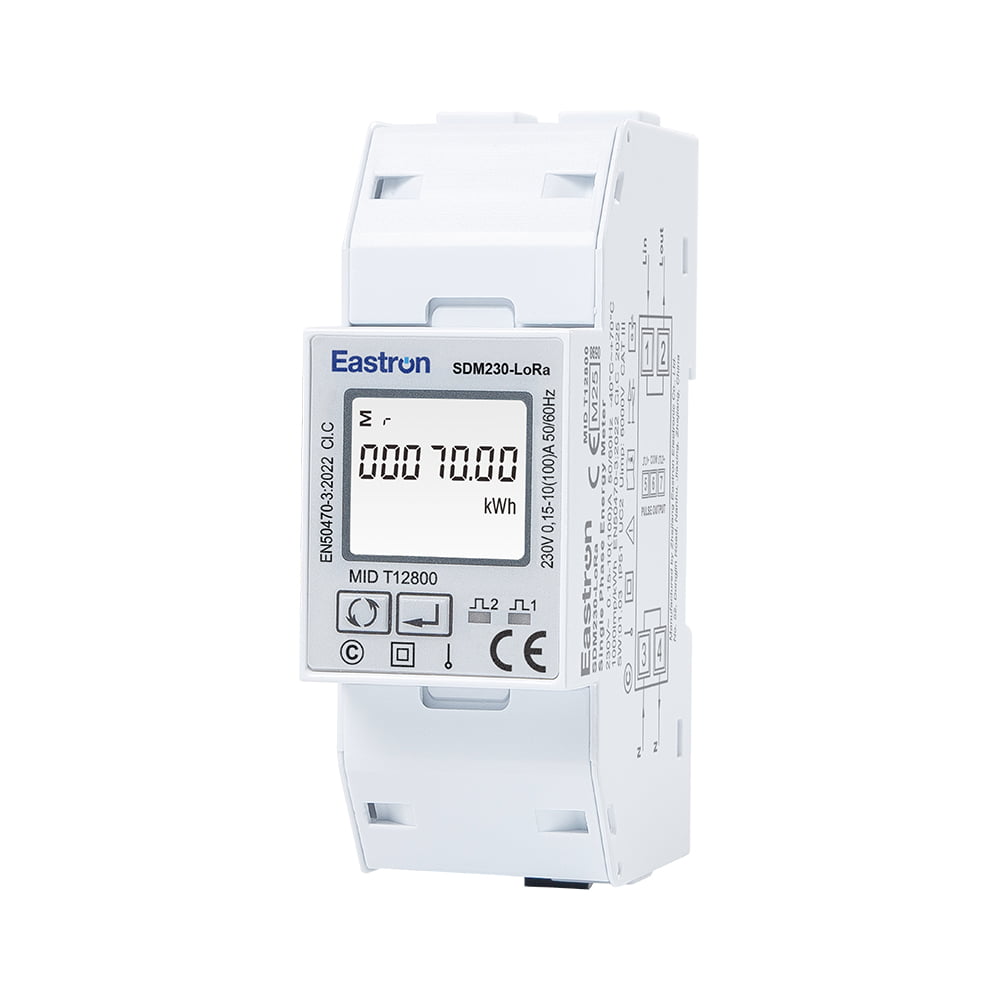
LoRaWAN 100A Din Rail Single Phase MID Energy Meter
Accurate measurement begins with stable sensing and suitable signal processing. The meter measures RMS values on a single-phase AC system consisting of phase and neutral conductors. This allows it to monitor the principal electrical conditions found in residential circuits, commercial distribution systems, small facilities and individual equipment branches.
The device measures voltage with an accuracy of ±0.5% and current with an accuracy of ±0.5%. These measurements support load analysis, abnormal condition monitoring and the calculation of power-related parameters. Frequency accuracy is specified at ±0.2%, while power factor is displayed with a resolution of 0.01.
Active power, reactive power and apparent power are each specified at ±1% accuracy. Together, these values help users evaluate the real energy delivered to loads, the reactive component associated with inductive or capacitive equipment, and the total apparent loading placed on the electrical system.
Active energy is generally the main value used in energy accounting. The meter’s Class 0.5 IEC 62053-22 and Class C EN 50470-3:2022 specifications make it suitable for demanding measurement applications, subject to the installation conditions and requirements of the relevant market. Reactive energy measurement to Class 2 IEC 62053-23 provides additional information for systems where power factor, reactive demand or network efficiency must be evaluated.
The measurement range is also important. The rated current is 10A, the maximum current is 100A and the minimum current is 0.15A. This broad operating range enables the meter to monitor both lower consumption levels and high-current loads within the direct-connection rating.
The nominal voltage is 230V, with an operational voltage range of 80% to 120% of nominal voltage. This allows the product to continue operating across a wide range of normal voltage conditions. As with all electrical meters, correct installation, suitable protection and compliance with local wiring regulations remain essential.
Active energy represents the electrical energy actually consumed by loads over time. It is commonly expressed in kilowatt-hours and is used for energy billing, tenant allocation, production monitoring, equipment analysis and efficiency programs.
For a residential user, active energy data can reveal daily consumption patterns and identify unusually high loads. In a commercial building, separate meters can be used for offices, retail areas, HVAC systems, data rooms or tenant spaces. In an industrial environment, the same measurement function can support machine-level monitoring, production-line comparison and energy cost allocation.
Reactive power is associated with the energy exchange between the electrical supply and magnetic or electric fields in equipment such as motors, transformers and certain power converters. Although reactive power does not represent the same type of useful work as active power, it affects current flow and can influence the loading of electrical infrastructure.
Apparent power combines active and reactive components and represents the total electrical loading of the circuit. Monitoring active, reactive and apparent power together gives users a more complete picture of system performance than active energy alone.
Power factor indicates how effectively current is being converted into useful active power. A low power factor can cause higher current for the same active load and may indicate the need for corrective action in certain facilities. The meter provides power factor information with a resolution of 0.01, supporting trend analysis and operational review.
Frequency measurement provides another useful indicator of supply conditions. With a stated accuracy of ±0.2%, frequency data can be incorporated into energy monitoring dashboards and used alongside voltage, current and power readings to identify abnormal operating conditions.
The most distinctive feature of the SDM230-Lora is its integrated LoRaWAN communication capability. LoRaWAN is designed for long-range, low-power wireless communication and is particularly suitable for distributed sensors and meters that transmit relatively small amounts of data at scheduled intervals.
Traditional wired communication can require long cable runs, conduit, dedicated network infrastructure and additional labor. In existing buildings, installing communication cables may require access to walls, ceilings, risers or occupied areas. In remote locations, cable installation can be even more difficult. Wireless LoRaWAN communication avoids many of these barriers.
By transmitting data wirelessly to a compatible LoRaWAN gateway, the meter can support remote monitoring without requiring a separate RS485 communication cable for the primary data connection. This can reduce installation complexity and help lower maintenance costs over the operating life of the system.
The product supports a wide range of frequency bands, including EU868, AS923, CN433, CN470, AU915 and US902 MHz. Regional frequency support is a major consideration in international deployment because LoRaWAN networks operate according to local regulatory and network requirements. A flexible frequency platform simplifies product selection for system integrators serving multiple regions.
LoRaWAN also supports large-scale deployment. A gateway can collect data from multiple meters located throughout a building, site or distributed facility. This is useful for apartment blocks, commercial properties, campuses, warehouses, retail chains, utility sub-metering networks and remote equipment installations.
The meter supports an automatic upload mode for transmitting measurement data. Automatic reporting reduces the need for a central system to repeatedly poll each device. Data can be scheduled and transmitted according to the requirements of the application.
Upload and download time intervals can be set or adjusted. This provides a balance between data frequency, network capacity and system objectives. A facility requiring near-real-time operational awareness may use more frequent communication, while a basic billing or monthly analysis application may require less frequent transmission.
Configurable intervals can also help optimize network resources. Not every application needs the same reporting frequency. The ability to adjust communication behavior allows integrators to design systems around energy management priorities, battery or network considerations and data storage requirements.
Confirmation functions provide additional confidence that transmitted data has been received or processed by the communication system. Offline detection can help identify a meter, gateway or network path that is no longer communicating as expected.
These functions are important in unattended installations. Without communication supervision, a failed connection may remain unnoticed until a user attempts to retrieve historical data. Offline detection allows maintenance teams or energy managers to respond more quickly and investigate power interruption, network issues, installation problems or equipment faults.
The automatic resume mode supports continued operation after a temporary interruption. Communication interruptions can occur because of network maintenance, gateway downtime, interference, power loss or changes in site conditions. A meter that can automatically resume communication reduces the need for manual intervention and improves system availability.
Automatic recovery is especially valuable when many meters are installed across a large site. Requiring technicians to reset each device after every communication interruption would increase operating costs and delay data recovery. A resume function supports more efficient fleet management.
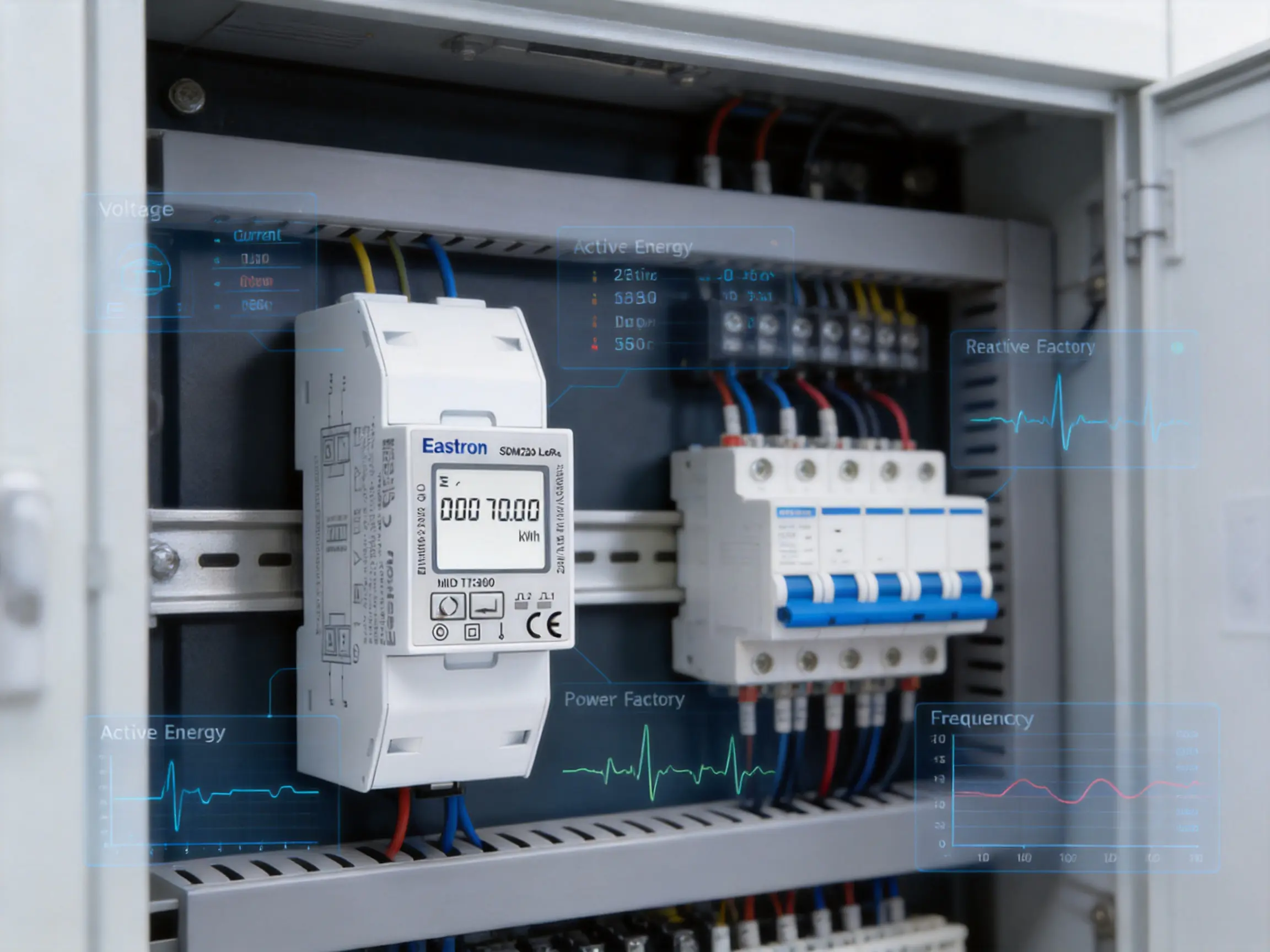
In addition to wireless communication, the product family supports pulse outputs for imported and exported energy. Pulse outputs remain widely used in energy management because they provide a simple and interoperable method for transferring energy consumption information to building management systems, data loggers, controllers and other equipment.
The SDM230-Lora version is specified with two pulse outputs and LoRaWAN communication. The pulse interface can support systems that need a local electrical representation of energy accumulation while the wireless channel provides remote access and broader data transmission.
Pulse-based integration can be useful where a legacy controller or local display system is already installed. Instead of replacing the complete control architecture, an integrator may use the meter’s pulse signals as an additional input while using LoRaWAN for centralized monitoring.
The wider product family also includes alternative versions with different communication and input functions. These include a pulse-only version, a pulse output plus RS485 Modbus version, a version with M-Bus EN 13757 communication and dual tariffs, a version with RS485 Modbus and dual tariffs, and a version with RS485 Modbus plus digital input. This product-family approach gives system designers the ability to select a communication format suited to the project.
| Model Configuration | Communication or Output Function | Typical Integration Role |
|---|---|---|
| SDM230-P | Two pulse outputs for imported and exported energy | Local pulse-based monitoring and control systems |
| SDM230-M | Two pulse outputs plus RS485 Modbus | Wired industrial and building automation networks |
| SDM230-MB-2T | Two pulse outputs, M-Bus EN 13757 and two tariffs | Metering systems requiring M-Bus and dual-power-source tariff operation |
| SDM230-2T | Two pulse outputs, RS485 Modbus and two tariffs | Tariff-based wired energy monitoring |
| SDM230-DI | Two pulse outputs, RS485 Modbus and digital input | Monitoring systems requiring a digital status or control input |
| SDM230-Lora | Two pulse outputs plus LoRaWAN | Wireless remote monitoring and connected energy management |
The availability of multiple variants is a competitive advantage for integrators. It allows a common mechanical and measurement platform to be adapted to different communication architectures. Customers can choose wireless, Modbus, M-Bus, pulse-based or tariff-oriented configurations without changing to an entirely different meter family.
Many energy meters can measure voltage, current and energy. The practical difference between products is often found in installation requirements, communication flexibility, certification, configuration options and long-term serviceability. The SDM230-Lora combines these aspects in a compact product intended for connected applications.
Some metering systems require current transformers even when the monitored load is within a moderate current range. Current transformers can increase the cost and physical size of an installation. They also require appropriate orientation, wiring and secondary-circuit handling.
The direct 100A connection of the SDM230-Lora removes the need for an external current transformer in applications within the device’s rating. This can simplify the bill of materials and reduce the time required for installation. It also reduces uncertainty associated with selecting a suitable transformer ratio and matching the transformer to the meter configuration.
Compared with a fully wired RS485 installation, LoRaWAN can reduce communication cabling. This is particularly valuable in existing buildings and distributed sites where cable routes are difficult to access. Wireless communication can also make future meter expansion easier because additional devices can be added without extending a long serial cable network throughout the facility.
RS485 remains valuable in electrically controlled environments and systems that require a direct wired bus. However, LoRaWAN provides a strong alternative where installation flexibility, remote access and reduced wiring are high priorities.
Certification and standards compliance are important differentiators in energy metering. A device intended only for informal monitoring does not necessarily satisfy the requirements of regulated measurement. The SDM230-Lora offers Class 0.5 active energy performance under IEC 62053-22, Class C performance under EN 50470-3:2022 and MID approval according to the stated product information.
These specifications help users and integrators select a meter for applications where traceable measurement performance is needed. They also provide a clearer basis for comparing products than general claims of “high accuracy” without a stated measurement class.
A basic kWh meter may provide only cumulative energy. The SDM230-Lora measures multiple electrical parameters, allowing the same device to support consumption accounting, load diagnostics, power quality observation at a basic monitoring level and operational analysis.
Using one multi-function meter can reduce the need for several separate measuring devices. It can also simplify the structure of the monitoring database because voltage, current, power, power factor, frequency and energy values are associated with the same circuit and device identity.
Fixed communication behavior can limit the usefulness of a connected meter. The ability to adjust upload and download intervals allows the system to be aligned with the actual application. This improves flexibility for projects ranging from periodic reporting to more active operational monitoring.
The meter can be used to monitor apartments, individual residential units, garages, workshops, heat pumps, electric vehicle charging points and other dedicated circuits. In multi-occupancy properties, separate meters help property managers understand consumption by unit and support transparent energy allocation where permitted by local rules.
Wireless communication is useful in residential properties because communication cabling can be disruptive and expensive. A DIN rail meter installed in a distribution board can transmit readings to a central gateway without requiring a separate data cable to every apartment.
Commercial buildings often contain many independent loads. Offices, retail units, kitchens, lighting systems, HVAC equipment, server rooms and common areas may all have different operating schedules and energy profiles.
Installing connected meters on selected circuits allows facility managers to compare energy consumption across areas and identify opportunities for improvement. The meter’s current, voltage, power and power factor readings provide more useful information than a total building meter alone.
Small machines, production cells, pumps, fans, compressors and auxiliary systems can be monitored using single-phase meters where the circuit configuration is appropriate. Energy data can be associated with operating schedules, production quantities or maintenance records.
Unexpected increases in current or power may indicate changes in operating conditions, while a reduction in power factor may suggest a change in equipment behavior. The meter is not a replacement for specialized protection or advanced power quality equipment, but it provides useful electrical operating data for many monitoring tasks.
Utilities, energy service companies and facility operators can use connected meters as part of distributed monitoring networks. LoRaWAN communication allows multiple devices to report to a central platform, where data can be stored, analyzed and visualized.
The MID approval and stated measurement classes can be important in applications involving regulated or semi-regulated energy allocation. The exact suitability for billing must always be assessed against national regulations, installation requirements and the contractual purpose of the measurement.
The two pulse outputs for imported and exported energy support systems where energy flow in both directions must be monitored. This can be relevant to distributed generation, self-consumption systems and installations in which local generation may feed energy back into the network.
By separating import and export information, an energy management platform can evaluate how much energy is consumed locally and how much is sent outward. This supports performance analysis and helps users understand the relationship between generation, consumption and grid exchange.
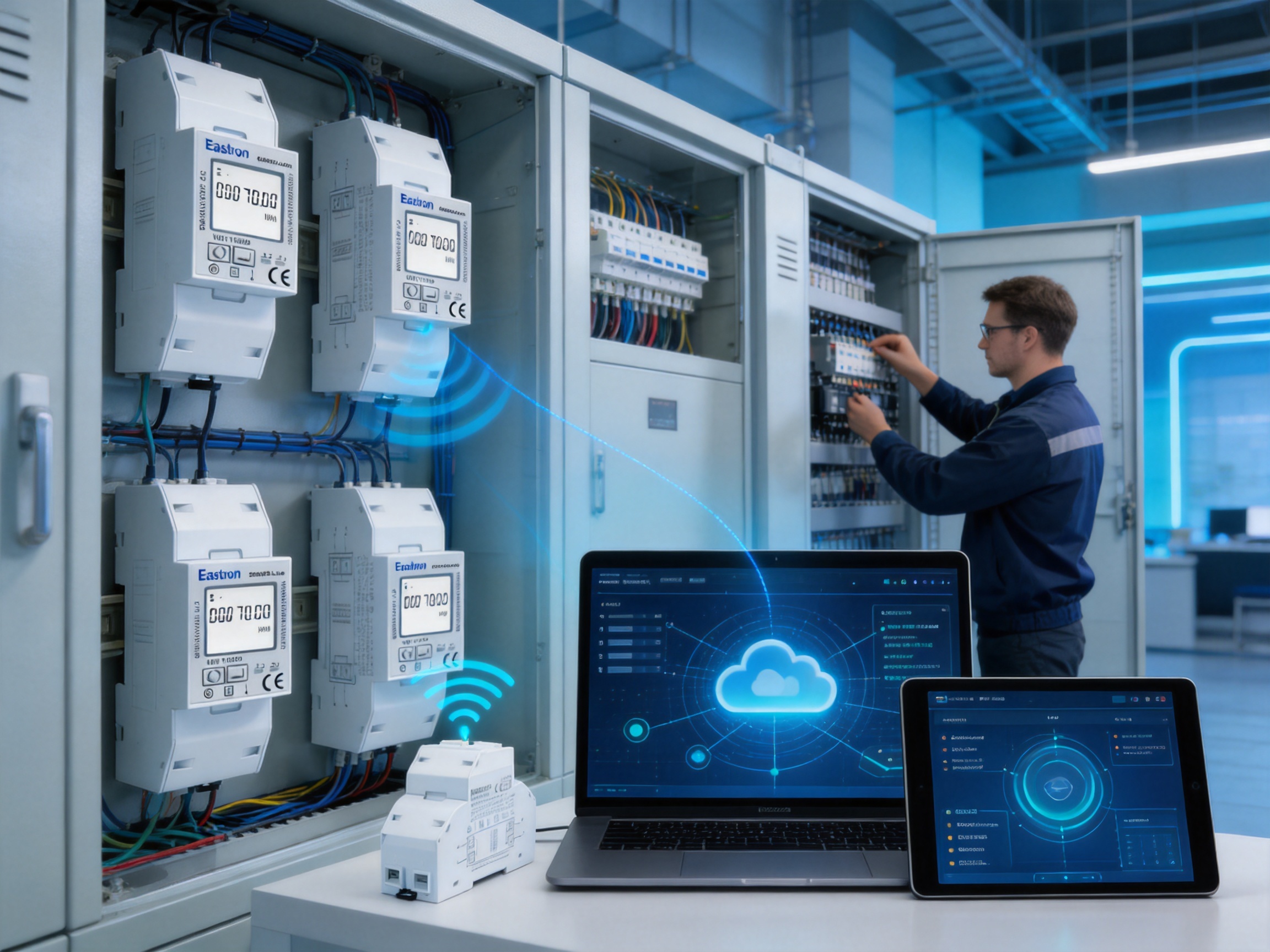
DIN rail installation is widely used in distribution boards, control cabinets and metering enclosures. It provides a standardized mounting method and allows meters to be placed alongside circuit protection, contactors, terminals and communication equipment.
The compact DIN rail format supports organized panel construction. A well-designed installation can place the meter close to the monitored circuit while keeping the wiring accessible for inspection and maintenance. The direct connection architecture can also reduce the number of components inside the enclosure.
Installation should be performed by qualified personnel. The installer must verify the system voltage, current rating, conductor size, protective devices, terminal arrangement, local electrical regulations and the applicable metering requirements. The meter should not be connected to a circuit exceeding its specified voltage or maximum current.
Correct phase and neutral wiring is essential. The installer must also verify the direction of energy flow where imported and exported energy are being monitored. Incorrect wiring may cause inaccurate readings, communication issues or unsafe operating conditions.
The reliability of an energy meter depends not only on its electrical design, but also on the quality of its manufacturing process. A high-accuracy product must maintain consistent performance across component selection, printed circuit board assembly, firmware development, calibration, enclosure production, final testing and documentation.
The manufacturer has developed a broad portfolio covering electricity meters, power analyzers, current sensors, communication modules and energy management systems. This product breadth supports the development of related technologies across measurement, communication and system integration.
The company maintains development teams in China and the United Kingdom and continues to invest in new electricity measurement technologies and products. This international development structure supports product improvement in embedded software, hardware, communication functions and application design.
For a LoRaWAN energy meter, research and development must address several areas simultaneously. The measurement circuit must maintain accuracy, the firmware must process and store electrical data correctly, the communication stack must operate reliably on regional networks and the device must respond appropriately to configuration and recovery commands.
Developing these functions within an integrated product platform can improve consistency between hardware and software. It also allows the manufacturer to refine the product in response to application requirements, standards development and communication technology changes.
The company operates a professional laboratory capable of performing electromagnetic compatibility, low-voltage directive, accuracy and environmental tests according to IEC, EN, GB and UL standards. These testing capabilities are significant because energy meters are installed in electrically active environments where both measurement stability and electromagnetic resilience are important.
EMC testing evaluates the product’s ability to operate correctly in the presence of electromagnetic disturbances and to avoid creating unacceptable interference. Low-voltage and safety-related testing helps assess insulation, electrical safety and protection under applicable conditions.
Accuracy testing verifies measurement performance against defined standards. Environmental testing can evaluate the product under conditions such as temperature and humidity variation, helping identify weaknesses before products are supplied to customers.
Maintaining testing capability within the organization can improve development feedback. Engineers can test prototypes, investigate abnormal results and validate design changes more efficiently than relying exclusively on external facilities for every stage of development.
The company follows an ISO 9001 quality management system and its production has been approved by SGS according to MID standards. ISO 9001 provides a framework for controlled processes, documentation, corrective actions and continual improvement. MID-related production approval supports confidence that the manufacturing process is aligned with the requirements associated with regulated measuring instruments.
The company also holds patented technologies in software, embedded software and hardware. These patents indicate investment in proprietary technical development and provide a foundation for differentiated products. The company has been recognized as a High-tech Enterprise and a High-tech R&D Centre of Electricity Application.
Manufacturing connected energy meters requires consistency at every stage. Component tolerances, soldering quality, connector assembly, enclosure fit, terminal integrity and firmware loading can all affect final performance. A structured quality system helps reduce variation and ensures that production units correspond to the validated product design.
Calibration and final inspection are especially important for energy meters. Each unit must provide reliable readings within its specified accuracy class under defined test conditions. Communication functions should also be checked so that the finished product can connect, transmit and respond as intended.
The combination of product development, laboratory testing, standards management and production control gives the manufacturer a strong foundation for supplying meters to international customers. It also supports the consistent evolution of the SDM230 product family and related energy measurement solutions.
A typical LoRaWAN metering system consists of the meter, a LoRaWAN gateway, a network server, an application platform and user interfaces. The meter measures electrical values and transmits selected data. The gateway receives the wireless signal and forwards it through an IP network. The application platform stores, processes and displays the information.
In a small installation, one gateway may serve a building or local site. In a larger deployment, multiple gateways can provide coverage across several buildings or zones. The meter’s regional frequency support allows system designers to choose the appropriate operating band for the installation location.
Data can be used for dashboards, alerts, historical reports, energy benchmarking and automated analysis. Offline detection can generate a maintenance notification when a meter or communication path stops reporting. Configurable intervals allow the system to match data collection with the needs of the user.
The meter can also operate as part of a hybrid system. Pulse outputs may be connected to a local controller, while LoRaWAN transmits data to a remote platform. This is useful when a site has both local automation requirements and centralized energy management objectives.
Before selecting the meter, users should confirm that the electrical system is single-phase, two-wire and compatible with the nominal voltage. The maximum current should not exceed 100A, and the installation should be designed in accordance with applicable electrical safety regulations.
The required measurement purpose should also be defined. If the meter will be used for regulated billing or tenant cost allocation, the purchaser should confirm that the product certification, installation method and local legal framework satisfy the intended application.
Communication planning is equally important. The buyer should confirm the available LoRaWAN frequency band, gateway compatibility, network-server support, expected coverage and reporting interval. Building materials, panel location, distance and radio conditions can influence wireless performance.
Users should also determine whether pulse outputs are required, whether imported and exported energy must be separated, and whether the system needs additional wired communication. If the project requires RS485 Modbus, M-Bus or dual-tariff functionality, another member of the SDM230 family may be more appropriate.
Finally, the installation team should consider panel space, terminal access, circuit protection, commissioning procedures, data security and long-term maintenance. A successful metering project depends on the complete system, not only on the meter itself.
Connected energy meters generally require limited routine maintenance when correctly installed. However, periodic review is recommended. Operators should inspect communication status, verify that data is being received, check for unusual readings and confirm that the meter remains securely mounted.
Offline detection and automatic resume features reduce the workload associated with communication supervision. When an interruption occurs, the system can identify the affected device and attempt to restore communication without requiring immediate manual resetting.
Measurement data should be reviewed for consistency. Sudden changes in voltage, current, power factor or energy consumption may reflect actual load changes, wiring problems, communication decoding issues or equipment faults. Combining meter data with operational records helps distinguish these possibilities.
Where meters are used in regulated applications, inspection and verification should follow the relevant legal and contractual requirements. Records of installation, configuration, testing and maintenance should be retained when necessary.
The meter is designed for RMS measurement on a single-phase AC system with phase and neutral conductors, commonly described as a 1P2W system.
The meter supports a maximum direct current of 100A. Its stated rated current is 10A, and its minimum current is 0.15A.
No external current transformer is required for applications within the meter’s direct-connection rating. The product is designed for direct connection up to 100A.
The nominal voltage is 230V. The stated operational voltage range is 80% to 120% of nominal voltage.
The meter measures active energy, reactive energy, voltage, current, active power, reactive power, apparent power, power factor and frequency.
Active energy is specified as Class 0.5 according to IEC 62053-22 and Class C according to EN 50470-3:2022.
The product information states that the meter has been approved to meet the requirements of EU Directive 2014/32/EU and identifies the product as MID certified. Users should confirm the exact certificate scope and local requirements for their intended application.
The SDM230-Lora uses the standard LoRaWAN protocol for wireless communication and remote monitoring.
The stated supported bands include EU868, AS923, CN433, CN470, AU915 and US902 MHz, among other regional options.
Yes. The product supports automatic upload operation, and download and upload time intervals can be set or adjusted according to the system requirements.
The meter supports confirmation, offline detection and automatic resume functions. These features help identify lost communication and support recovery after a temporary interruption.
Yes. The SDM230-Lora provides two pulse outputs for imported and exported energy.
The SDM230-Lora is the LoRaWAN version. The broader SDM230 product family includes versions with RS485 Modbus, M-Bus, dual tariffs and digital input functions.
Potential applications include residential sub-metering, commercial buildings, industrial equipment monitoring, utility projects, energy service systems, distributed generation monitoring and facility energy management.
The meter is designed for DIN rail installation in distribution boards, electrical cabinets and metering enclosures.
LoRaWAN can reduce communication cabling and simplify deployment in existing buildings, distributed facilities and locations where wired communication is difficult or expensive. Wired systems may still be preferable where a dedicated RS485 or M-Bus network is already available.
Users should verify the phase configuration, nominal voltage, maximum current, protective devices, terminal wiring, local electrical regulations, LoRaWAN frequency band, gateway compatibility and certification requirements.
The LoRaWAN 100A DIN rail single-phase MID energy meter combines direct electrical measurement, multi-function monitoring, wireless connectivity and recognized measurement performance in a compact installation format. Its 100A direct connection reduces the need for external current transformers, while its DIN rail design supports practical installation in distribution boards and control cabinets.
Its integrated LoRaWAN communication provides an alternative to extensive communication cabling and supports remote data collection across residential, commercial, industrial and utility environments. Automatic upload, adjustable communication intervals, confirmation, offline detection and automatic resume functions improve the practicality of long-term connected operation.
The meter’s measurement capabilities extend beyond cumulative active energy. Voltage, current, active power, reactive power, apparent power, power factor, frequency and reactive energy data support a more complete understanding of electrical system behavior. Pulse outputs provide an additional integration path for local controllers and legacy monitoring systems.
From a manufacturing perspective, the product is supported by research and development resources, professional laboratory testing, ISO 9001 quality management, MID-related production approval and experience across electricity meters, power analyzers, sensors, communication modules and energy management systems. These capabilities strengthen the product’s suitability for customers seeking an energy meter platform that can support both current projects and future system expansion.
For organizations planning connected sub-metering or distributed energy monitoring, the SDM230-Lora offers a balanced combination of accuracy, direct connection, wireless flexibility, certification and system integration. When correctly specified and installed, it can serve as a practical foundation for data-driven energy management.
IEC 62053-22, Electricity Metering Equipment: Particular Requirements for Static Meters for Active Energy.
IEC 62053-23, Electricity Metering Equipment: Particular Requirements for Static Meters for Reactive Energy.
EN 50470-3:2022, Electricity Metering Equipment: Particular Requirements for Static Meters for Active Energy.
European Union Directive 2014/32/EU on Measuring Instruments.
EN 13757, Communication Systems for Meters and Remote Reading of Meters.
ISO 9001, Quality Management Systems: Requirements.
LoRa Alliance, LoRaWAN Technical and Regional Parameters Documentation.
Product technical information for the SDM230-Lora single-phase energy meter.
Your email address will not be published. Required fields are marked *

We develop and produce high performance electricity meters, power analyzers, current sensors, communication modules and management systems.
Address:NO. 52, Dongjin Road, Nanhu, Jiaxing, Zhejiang, China
Copyright @ Eastron Electronic Co., Ltd. All rights reserved
