

 English
 Español
 Deutsch
 中文简体


Product Consultation
Your email address will not be published. Required fields are marked *
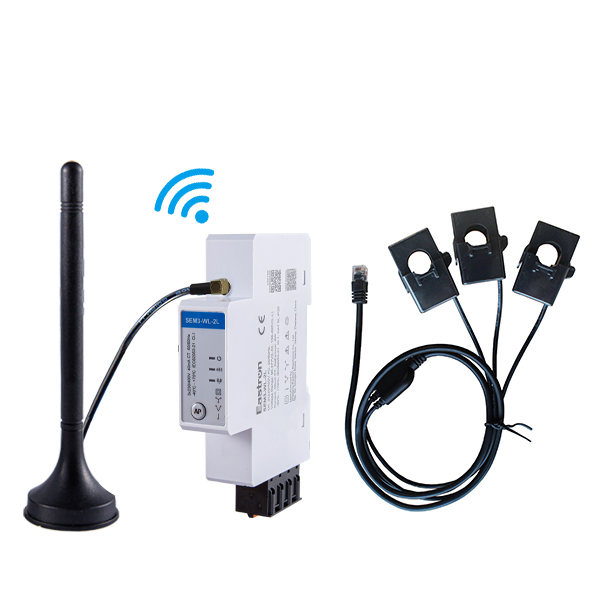
CT Type Three Phase Din Rail Wifi Energy Meter for PV Metering
May 30,2025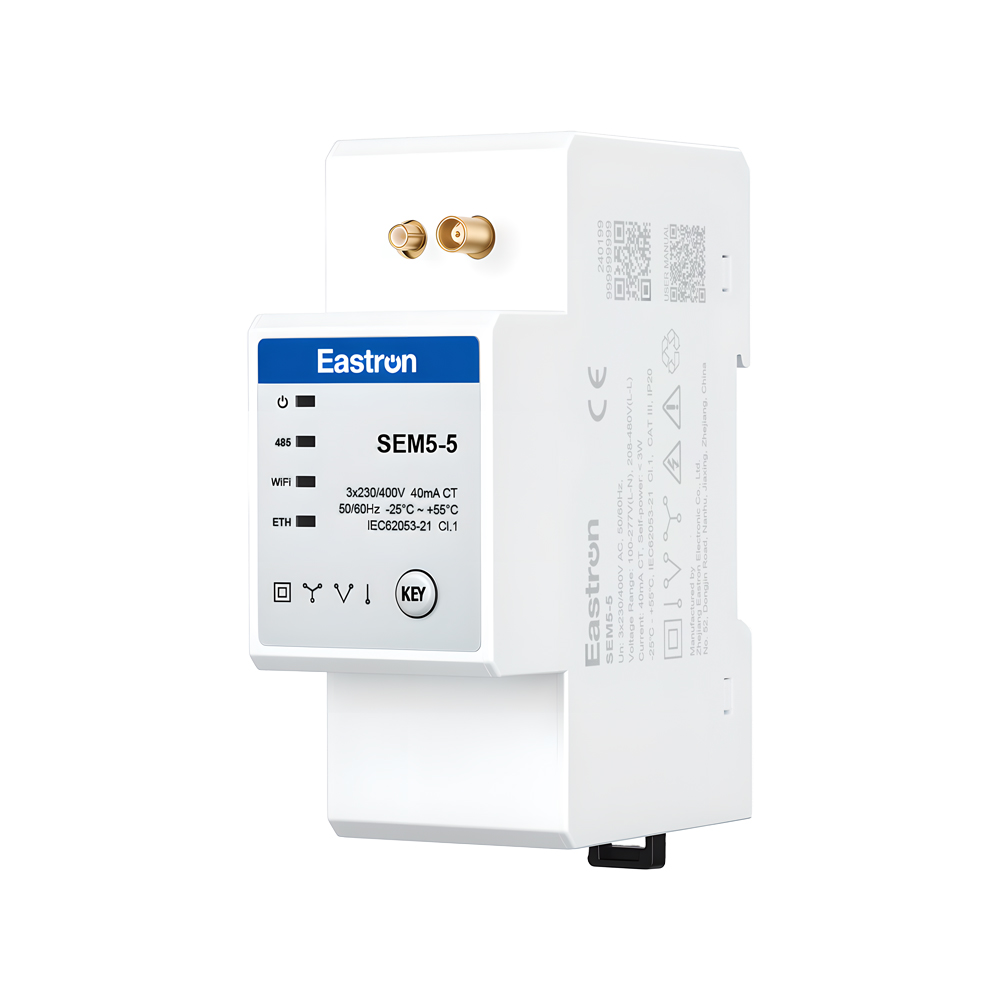
CT Operated Wireless Three Phase Energy Meter for PV Metering
May 30,2025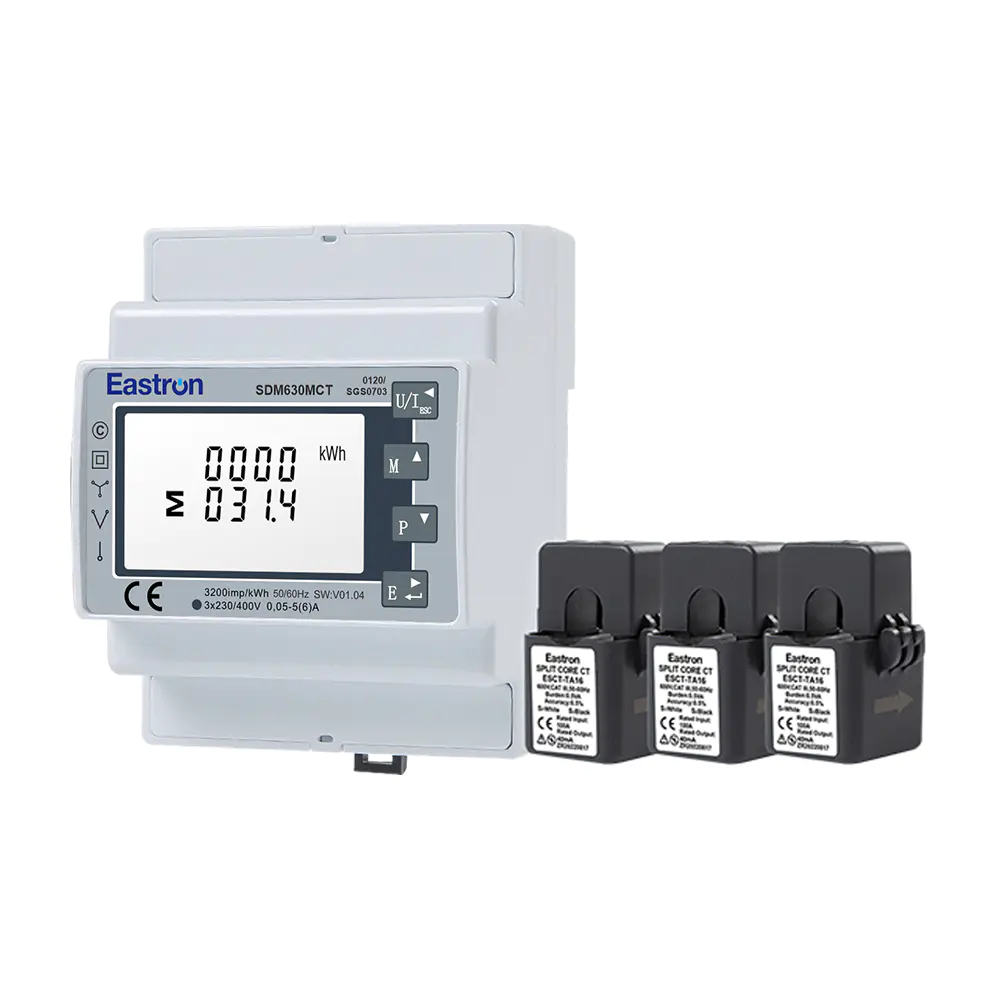
MID/UL CT Type Din Rail Three Phase Multi-function Energy Meter for EV Charging Metering
Nov 24,2022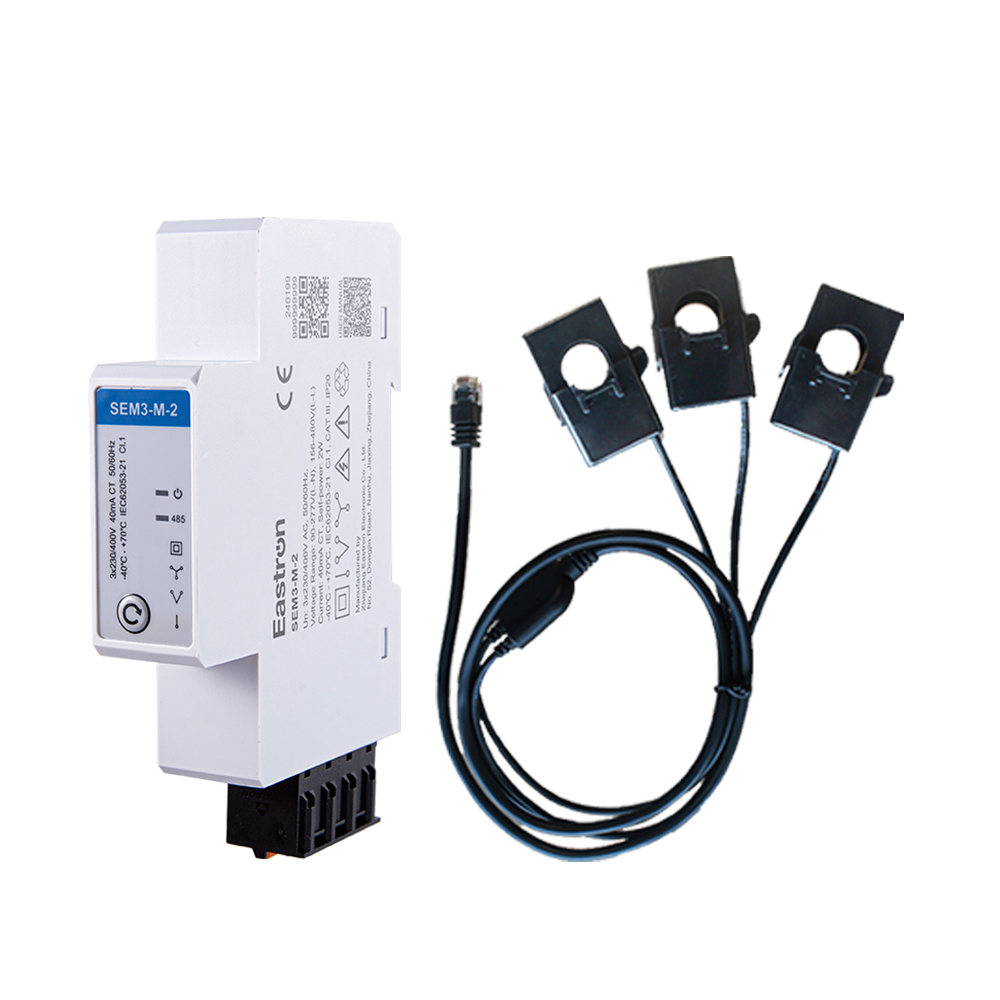
RS485 CT Connection Three Phase Din Rail Energy Meter for PV Metering
May 30,2025
CT Type RS485 Modbus Single Phase Din Rail Energy Meter for PV Metering
May 30,2025
CT Connection Single Phase Din Rail Wifi Energy Meter for PV Metering
May 30,2025Content
Modern electrical distribution panels are expected to do far more than deliver power. They must also provide accurate measurement, actionable data, reliable communication, quick installation, and long-term service stability. In commercial buildings, industrial facilities, renewable energy installations, machinery rooms, data centers, and energy management projects, the quality of metering hardware directly affects commissioning time, maintenance cost, billing confidence, and the success of energy-saving programs.
The RJ12 CT type three phase panel mounted power analyzer described here is designed for precisely this environment. Built around a plug-and-play current transformer connection concept, the instrument measures and displays the characteristics of three phase AC systems while reducing installation complexity. It supports 3P3W and 3P4W applications, uses a 100 mA CT input, provides multi-function analysis up to the 63rd harmonic, and offers pulse output together with Modbus RTU communication through an RS485 port.
This product is especially suitable for installers and system integrators who want a panel-mounted analyzer that is accurate, flexible, compact, communication-ready, and faster to wire than conventional power meters. With RJ12 current terminals, a 96 mm by 96 mm front-panel format, and a depth of 92 mm, it fits naturally into standard electrical panels while providing a broad range of measurement parameters for power monitoring and energy management.
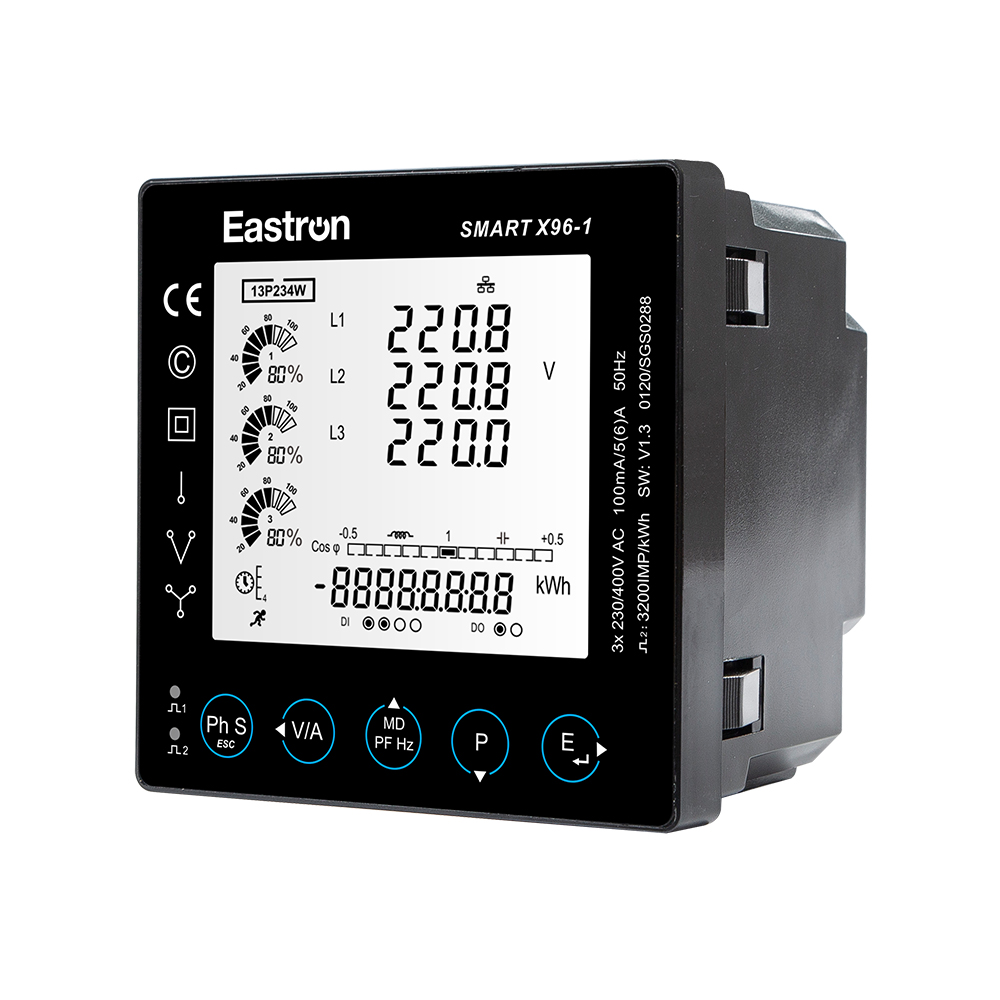
RJ12 CT Type Three Phase Panel Mounted Power Analyzer for Easy Click System
The product is a three phase panel mounted power analyzer for an easy click current transformer system. Its model description, Smart X96-1A, identifies a compact power analyzer with a 96 mm square panel design and a 100 mA CT input architecture. The unit supports three phase three wire and three phase four wire systems, and it is intended to measure RMS values including harmonic content on AC systems.
Unlike many traditional panel meters that require multiple separate CT secondary wires to be individually terminated, this analyzer uses an RJ12 CT type connection. The plug-and-play design replaces time-consuming hard wiring with a simplified connection approach. In practical panel-building work, this can reduce installation time significantly and, according to the product concept, may save installation time by up to 85% compared with wiring six individual secondary cables from current sensors to the meter.
The analyzer measures voltage, current, frequency, active power, reactive power, apparent power, power factor, active energy, reactive energy, imported and exported energy, harmonics, and maximum demand-related values. It provides a local display for on-site observation and also supports remote data acquisition through Modbus RTU. This makes it suitable not only as a local panel meter, but also as a data node in a broader energy management system.
The instrument is self-powered from any of the three phases, which is convenient in distribution panels where auxiliary power wiring can add cost and complexity. It is also designed for operation across a wide temperature range, from -25°C to 55°C, with storage from -40°C to 70°C, making it suitable for many indoor industrial and commercial environments.
The first major highlight is the RJ12 CT input system. In conventional CT metering, each phase current transformer normally requires separate secondary wiring, and the installer must pay close attention to CT polarity, phase matching, routing, termination, and labeling. Mistakes can lead to incorrect power factor readings, reversed energy values, phase imbalance indications, or unreliable monitoring data. The RJ12 concept simplifies the current connection path, improving installation repeatability and reducing the risk of wiring errors.
The second highlight is multi-function measurement. The analyzer is not limited to kWh counting. It functions as a comprehensive electrical measuring instrument, capable of monitoring active, reactive, and apparent power, voltage, current, frequency, energy, power factor, and total harmonic distortion. For electrical engineers, this means a single compact panel device can replace several separate instruments.
The third highlight is harmonic measurement up to the 63rd harmonic. Harmonic distortion is increasingly important in modern facilities because variable frequency drives, LED lighting, switched-mode power supplies, EV chargers, photovoltaic inverters, UPS systems, and other nonlinear loads can introduce waveform distortion. By measuring THD up to the 63rd harmonic, the analyzer helps users identify power quality issues that may affect efficiency, equipment life, transformer heating, nuisance tripping, and compliance efforts.
The fourth highlight is communication readiness. The RS485 Modbus RTU interface allows the analyzer to connect with building management systems, energy monitoring platforms, industrial controllers, gateways, and data acquisition systems. Supported baud rates include 2400, 4800, 9600, 19200, and 38400 bps, with device addresses from 1 to 247. This flexibility makes the analyzer easy to integrate into both new and existing communication networks.
The fifth highlight is pulse output. The product provides pulse output options for energy data collection, including configurable pulse width settings of 60, 100, and 200 ms. It also offers pulse constants for energy monitoring applications. For installations that rely on pulse counters or legacy acquisition systems, this output gives engineers an additional integration path beyond Modbus communication.
Three phase distribution systems are common in industrial facilities, commercial buildings, public infrastructure, and large residential complexes. Monitoring these systems requires more than reading voltage and current. Operators need accurate active energy readings, power demand information, phase balance observation, harmonic insight, and communication capability for remote management. This analyzer addresses those requirements in a compact panel-mounted form.
The 96 x 96 mm front panel format is familiar to panel builders and electrical contractors. It allows a clean installation on switchboards, control cabinets, motor control centers, energy distribution panels, and automation panels. The product depth of 92 mm supports integration into typical enclosure designs, while the front display protection rating of IP51 contributes to suitable protection for indoor panel applications.
The voltage terminals use shrouded screw-clamp terminals, helping create secure terminations and reducing accidental contact risk during installation and service. The current connection uses an RJ12 terminal, which is central to the product’s easy click concept. The meter case material is self-extinguishing to UL 94 V-0, supporting the safety expectations of electrical panel equipment.
The analyzer weighs approximately 420 g, making it light enough for convenient panel mounting while still robust enough for professional use. Its mechanical design reflects the needs of installers who must assemble, wire, test, and maintain multiple devices within limited cabinet space.
Measurement reliability is the foundation of any power analyzer. This instrument measures RMS values including harmonics on three phase AC systems, covering 3P and 3P+N configurations. RMS measurement with harmonic inclusion is important because electrical loads are rarely purely sinusoidal in real-world installations. A meter that measures only simplified waveform assumptions may produce misleading results under distorted conditions.
For active power, reactive power, and apparent power, the analyzer provides an accuracy of 1.0% of range maximum. Current and voltage measurement accuracy is 0.5% of range maximum. Frequency accuracy is 0.2% of mid-frequency, and power factor accuracy is stated as 1% of unity, or 0.01. Total harmonic distortion accuracy is 2% to the 63rd harmonic.
For active energy, the analyzer is aligned with IEC 62053-22 Class 0.5S and IEC 62053-21 Class 1.0 requirements. Reactive energy performance is stated as 1.0% of range maximum to IEC 62053-24. These specifications give facility managers and system integrators confidence when using the analyzer for energy monitoring, internal allocation, operational improvement, and system diagnostics.
Because the product is described as a MID approved panel meter in its information set, it is positioned for applications where recognized metering performance and approval status matter. In many energy monitoring projects, compliance with recognized standards helps reduce uncertainty during specification, procurement, and commissioning.
| Parameter | Specification | Practical Value |
|---|---|---|
| System Type | 3P3W and 3P4W AC systems | Supports common three phase electrical distribution configurations |
| Current Input | 100 mA rated current through RJ12 CT terminal | Simplifies CT connection and supports plug-and-play installation |
| Measurement Method | RMS including harmonics | Improves relevance under distorted waveform conditions |
| Active Energy Accuracy | IEC 62053-22 Class 0.5S, IEC 62053-21 Class 1.0 | Suitable for reliable energy monitoring and allocation |
| Current and Voltage Accuracy | 0.5% of range maximum | Supports dependable electrical parameter monitoring |
| THD Measurement | 2% to the 63rd harmonic | Enables deeper power quality observation |
| Communication | RS485 Modbus RTU | Integrates with energy management systems and automation platforms |
| Pulse Output | 60, 100, or 200 ms pulse width | Compatible with pulse counters and legacy metering systems |
| Dimensions | 96 x 96 x 92 mm | Fits standard panel meter cutout applications |
| Operating Temperature | -25°C to 55°C | Suitable for a wide range of indoor operating environments |
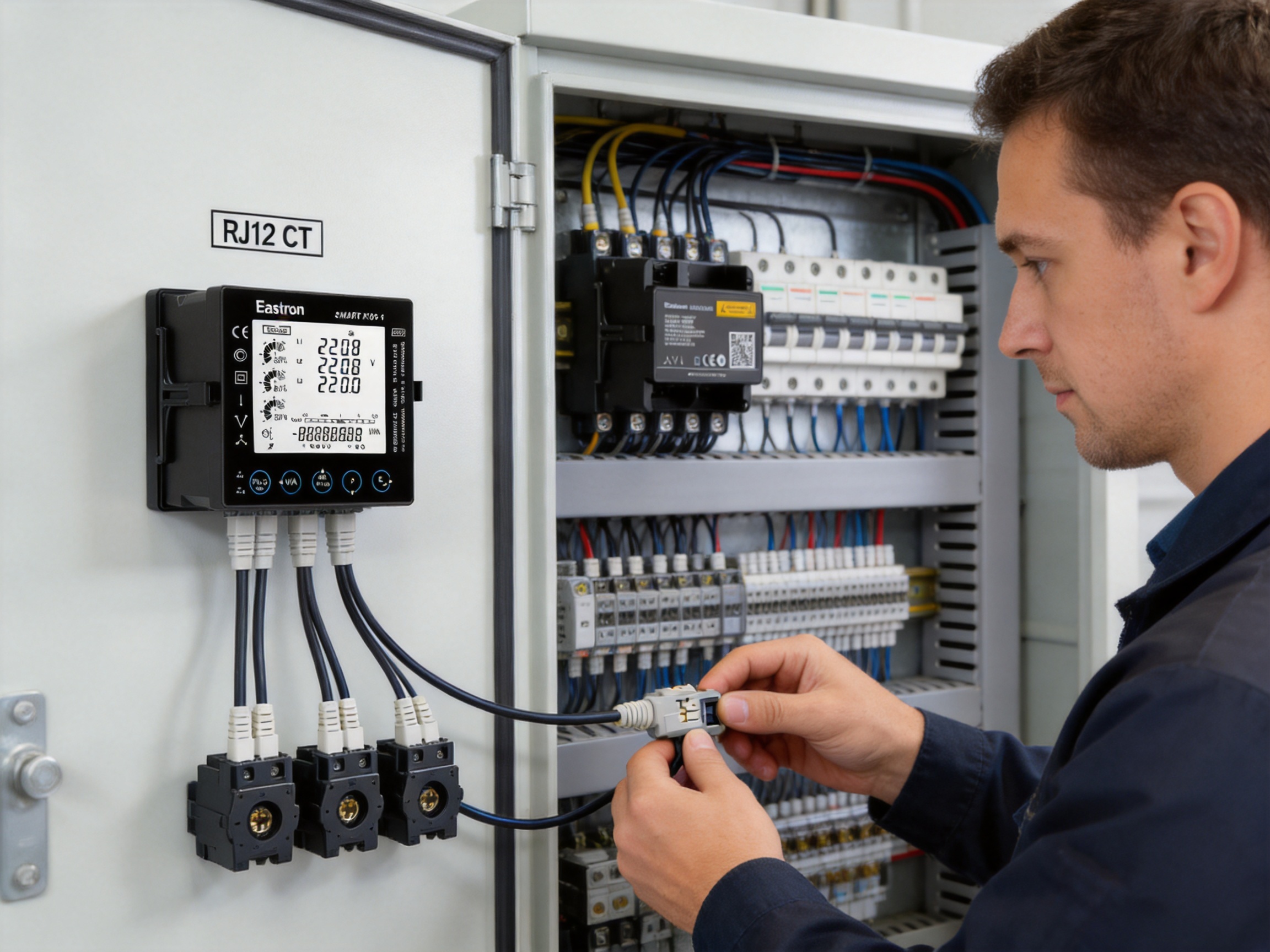
The most visible competitive advantage of this analyzer is its current transformer connection method. A traditional three phase meter with external CTs often requires multiple separate secondary conductors. Each conductor must be routed, stripped, terminated, tightened, checked, and later inspected. In a busy panel shop or on-site retrofit, every extra termination is an opportunity for error.
With the RJ12 CT type system, current sensor connection becomes faster and more standardized. This supports the plug-and-play philosophy: connect the compatible current transformer assembly to the meter through the designated RJ12 terminal and reduce manual secondary wiring. For installers, this means less wiring labor. For project managers, it means shorter commissioning time. For maintenance teams, it means clearer troubleshooting. For end users, it means fewer hidden wiring mistakes that can compromise energy data for months before being discovered.
Competitor products using conventional CT wiring may appear similar on a specification sheet, but the installation process can be much more demanding. A power analyzer is not only judged by its laboratory accuracy; it must also be judged by how reliably that accuracy is achieved in the field. Incorrect CT polarity, swapped phases, or loose terminations can make a high-accuracy meter perform poorly in practical use. By reducing the number of individual current wiring operations, the RJ12 architecture helps preserve measurement integrity from installation to operation.
The labor-saving benefit also matters at scale. In a facility with one meter, the difference may be measured in minutes. In a building with dozens or hundreds of monitored circuits, the difference becomes substantial. Panel builders can standardize assembly procedures, installers can complete retrofits faster, and commissioning engineers can spend less time correcting avoidable wiring faults.
Wiring errors are among the most common causes of incorrect three phase power measurement. A meter can display plausible voltage and current readings while still calculating incorrect power or energy if CTs are connected to the wrong phases or with reversed polarity. These mistakes are especially troublesome because they may not immediately trigger alarms. Instead, they create inaccurate reports, incorrect load profiles, false demand readings, and unreliable energy allocation.
The analyzer’s easy click current connection approach directly addresses this issue. By replacing multiple individual CT secondary terminations with a structured RJ12 connection, the product helps installers maintain phase and polarity consistency. This is a major practical advantage over conventional meters that require more manual wiring.
Commissioning also becomes simpler. Engineers can verify the voltage input, CT connection, communication address, baud rate, and system configuration with fewer physical connection variables. When combined with the analyzer’s local display, this makes it easier to confirm correct operation at the panel before connecting the device to a remote monitoring system.
For building owners and industrial operators, fewer wiring errors translate into better confidence in energy data. Accurate energy measurement supports load analysis, cost allocation, efficiency projects, predictive maintenance, and sustainability reporting. A meter that is easier to install correctly is more valuable than one that merely offers a long list of functions but is difficult to commission reliably.
Power quality is no longer a specialized concern limited to utility engineers. Modern facilities are filled with equipment that changes the shape of current and voltage waveforms. Drives, chargers, rectifiers, electronic lighting, inverters, office equipment, and automation systems can all contribute to harmonic distortion. When harmonic content increases, cables, transformers, motors, and capacitors may experience additional heating or abnormal stress.
The analyzer’s ability to measure THD up to the 63rd harmonic gives users deeper visibility into these conditions. Rather than simply reporting current and voltage magnitudes, it helps identify whether waveform distortion is present and whether further investigation is needed. This capability is valuable in plants with variable frequency drives, commercial buildings with large nonlinear loads, and renewable energy systems where inverter behavior affects power quality.
Compared with simpler kWh meters, a power analyzer with harmonic capability offers a more complete understanding of the electrical system. A basic meter may show that energy consumption is increasing, but it may not reveal whether distorted current is contributing to inefficiency or equipment stress. With THD measurement, facility managers can correlate operational problems with electrical conditions and decide whether harmonic filters, load balancing, equipment replacement, or design changes are needed.
The 63rd harmonic measurement range is a strong differentiator because some competing panel meters provide only basic THD readings or lower-order harmonic analysis. For users who care about electrical performance rather than just energy totals, this analyzer offers a more capable measurement platform.
Data has become central to energy management. A meter that cannot communicate is limited to local viewing, while a communication-ready analyzer can become part of a larger monitoring architecture. This product includes an RS485 port with Modbus RTU communication, one of the most widely used protocols in industrial automation and building energy systems.
Modbus RTU compatibility allows the analyzer to communicate with programmable logic controllers, human-machine interfaces, building management systems, energy gateways, supervisory software, and cloud-connected data platforms. It supports standard 2-wire half duplex RS485 communication, baud rates from 2400 to 38400 bps, address selection from 1 to 247, parity options of none, even, or odd, and one or two stop bits.
This communication flexibility is important for system integrators. In retrofit projects, the analyzer may need to share a bus with existing devices. In new installations, multiple meters may be arranged across distribution boards and connected to a gateway. Adjustable communication settings make it easier to match site requirements and reduce integration barriers.
Pulse output provides another layer of compatibility. Some older systems or simple monitoring applications rely on pulse counting instead of Modbus polling. The analyzer’s pulse outputs allow energy usage to be captured by pulse input modules, counters, or data loggers. This dual approach, Modbus plus pulse, allows the product to serve both modern digital platforms and legacy metering infrastructures.
The analyzer can be applied in many three phase monitoring scenarios. In commercial buildings, it can monitor main distribution boards, tenant sub-metering points, HVAC panels, lighting distribution panels, and plant rooms. Its Modbus RTU communication supports integration into building management systems, while its pulse output can support simpler energy collection schemes.
In industrial facilities, it can be installed in production line panels, motor control centers, compressed air systems, pump stations, and process equipment panels. The harmonic monitoring capability is valuable where variable frequency drives and nonlinear loads are common. Operators can observe energy use, power factor, current loading, and distortion trends to support maintenance and optimization.
In renewable energy and distributed energy applications, the analyzer can monitor three phase AC output points, inverter distribution panels, energy storage auxiliary loads, and facility interconnection panels. Imported and exported energy information is useful where power flow direction matters.
In data centers and communication rooms, the product can monitor three phase distribution paths and support energy efficiency reporting. Its compact panel form and communication interface make it suitable for integrating metering points across multiple electrical cabinets.
In public infrastructure, such as transportation facilities, water treatment plants, schools, hospitals, and municipal buildings, the analyzer supports centralized power monitoring and energy conservation programs. With accurate data, operators can identify abnormal consumption, compare building performance, and plan improvement measures.
A panel mounted analyzer must operate reliably in real electrical cabinets, where temperature, humidity, vibration, dust exposure, wiring density, and electrical noise can challenge instruments over time. This product is designed for operation from -25°C to 55°C and storage from -40°C to 70°C. It supports humidity conditions below 95% RH at 50°C, non-condensing, with pollution degree 2 and altitude up to 2000 m.
The front display has an IP51 degree of protection according to IEC 60529. This helps protect the visible interface in typical indoor panel environments. The meter case material is self-extinguishing to UL 94 V-0, an important characteristic for equipment installed inside electrical enclosures.
The compact 96 x 96 x 92 mm design supports efficient use of panel space. For panel builders, consistent dimensions reduce layout uncertainty and simplify repeat designs. For maintenance personnel, a clear display and standardized front-panel format make inspection easier.
Mechanical reliability is not only about the enclosure. It is also about connection quality. The shrouded screw-clamp voltage terminals provide secure voltage wiring, while the RJ12 CT terminal reduces the number of current secondary terminations. This combination supports safer, faster, and more consistent panel assembly.
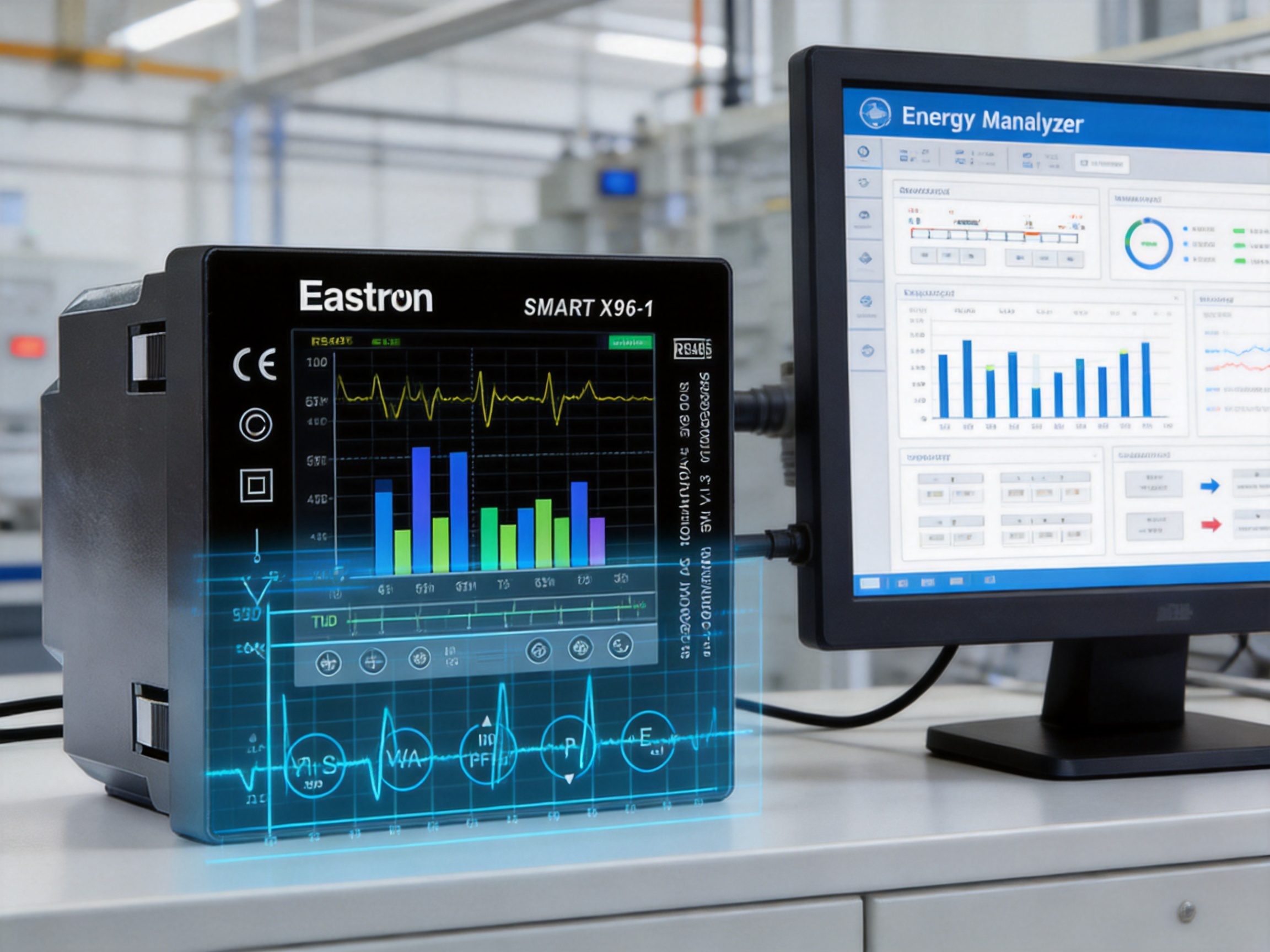
When compared with conventional three phase panel meters, this analyzer offers several clear advantages. The first is faster installation. Many competitor products still depend on separate CT wiring, which increases labor, creates more termination points, and requires more time for verification. The RJ12 CT connection method simplifies the process and can dramatically reduce installation time.
The second advantage is reduced wiring error risk. Conventional CT wiring can result in phase mismatch, polarity reversal, and loose secondary connections. The plug-and-play concept minimizes these risks by standardizing the current transformer interface. This is especially useful for large projects where installation consistency is essential.
The third advantage is multi-function measurement in a compact panel format. Some low-cost competitors provide only basic voltage, current, power, or kWh readings. This analyzer combines energy measurement, power analysis, frequency measurement, power factor, imported and exported energy, demand-related data, and harmonic monitoring in one device.
The fourth advantage is harmonic visibility up to the 63rd harmonic. In modern electrical systems, this can be a decisive difference. Facilities with drives, inverters, UPS units, chargers, and electronic loads need more than basic energy totals. They need insight into distortion, and this product provides that insight.
The fifth advantage is flexible integration. Modbus RTU over RS485 remains a trusted communication method for energy systems, and the analyzer also provides pulse output for installations that need it. This combination helps the product fit into a wide range of projects without forcing the user into a single data acquisition method.
The sixth advantage is manufacturing and quality support from an experienced energy measurement company. A good meter is the result of more than a circuit board and display. It depends on design expertise, calibration discipline, standards knowledge, component control, environmental testing, and long-term service support. The manufacturer’s capabilities strengthen the value of the product beyond the device itself.
Eastron Electronic Co., Ltd. is headquartered in Jiaxing, China, near Shanghai, Hangzhou, and Jiangsu. The company develops and produces electricity meters, power analyzers, current sensors, communication modules, and energy management systems. Its product scope covers a wide range of applications, including electronic kWh meters, multi-function energy meters, MID energy meters, ETL energy meters, DC energy meters, power analyzers, current transformers, relays and switches, gateways, and system solutions.
The strength behind this analyzer comes from long-term focus on energy measurement products. Metering devices require specialized knowledge in analog measurement, digital signal processing, embedded software, communication protocols, calibration methods, insulation design, electromagnetic compatibility, safety standards, and production testing. The company’s ongoing research and development investment supports the continuous improvement of these capabilities.
The company has development teams in China and the United Kingdom, enabling it to combine manufacturing efficiency with international product development perspectives. Cooperation with universities and professional institutions supports access to advanced technologies and helps transform research ideas into practical products.
Quality assurance is supported by a professional laboratory capable of performing EMC, LVD, accuracy, and environmental tests according to IEC, EN, GB, and UL standards. This is a major strength for a metering manufacturer because product reliability must be verified under electrical stress, environmental variation, and regulatory expectations. Testing capability close to development and production helps accelerate design validation and improve consistency.
The company follows the ISO 9001 quality management system, and its production is approved by SGS according to MID standards. It also holds patented technologies in software, embedded software, and hardware, and has been recognized as a high-tech enterprise and high-tech research and development center for electricity application. These strengths support the credibility of the analyzer and the broader product line.
Advanced manufacturing for power analyzers begins with design for reliability. Components must be selected for electrical performance, temperature stability, safety, and long-term availability. Circuit layouts must manage measurement accuracy, isolation, noise immunity, and communication reliability. Mechanical parts must support secure mounting and safe installation in electrical panels.
During production, consistent assembly and inspection are essential. A power analyzer must maintain accurate measurements across many units, not only in a prototype. This requires controlled processes, calibration procedures, test equipment, traceability, and quality checkpoints. The manufacturer’s experience with electricity meters and energy measurement solutions provides a strong foundation for these processes.
Calibration is particularly important. Energy measurement depends on precise voltage and current sampling, accurate phase relationship measurement, stable reference circuits, and correct firmware calculation. Production testing must verify that each analyzer meets expected performance criteria before shipment. Accuracy testing according to recognized standards helps ensure that the product performs reliably when installed in the field.
Environmental and EMC validation are also critical. Electrical panels can expose meters to temperature variation, electromagnetic interference, switching transients, and communication noise. Laboratory capability for EMC and environmental tests allows the manufacturer to evaluate whether products remain stable under realistic operating conditions. This gives customers greater confidence in long-term reliability.
Embedded software is another manufacturing strength. The analyzer must process measurement signals, calculate power and energy values, manage harmonic analysis, display data, handle pulse outputs, communicate through Modbus RTU, and store configuration parameters. Patented software and embedded technology support differentiation and help improve the performance of the device.
The analyzer is not an isolated product. It belongs to a wider ecosystem of energy measurement devices and solutions. The manufacturer’s portfolio includes electricity meters, smart meters, multi-function meters, DC energy meters, current transformers, gateways, and management systems. This ecosystem matters because modern customers often need complete energy measurement solutions rather than single devices.
For example, a building automation project may require panel analyzers, DIN rail kWh meters, communication gateways, current transformers, and software integration. An industrial monitoring project may need power analyzers, current sensors, Modbus networks, pulse outputs, and technical support for system configuration. A renewable energy project may need imported and exported energy monitoring, DC metering, and gateway communication. A manufacturer with a broad product portfolio can support these different needs more effectively.
Technical support and after-sales service are also important. Energy monitoring systems often involve site-specific wiring, network configuration, CT selection, data mapping, and integration with third-party systems. Professional support teams help customers select products, solve commissioning problems, and maintain stable operation.
The company’s products and services have been supplied to more than 50 countries across Europe, Asia-Pacific, America, the Middle East, and Africa. This international experience indicates familiarity with different market expectations, standards, installation practices, and customer requirements.
Successful installation begins with correct system selection. The analyzer supports three phase three wire and three phase four wire AC systems, so the installer should confirm whether the application is 3P3W or 3P4W before configuration. Voltage connections should be made according to the system type and local electrical safety rules.
Current transformer selection is also critical. The product uses a 100 mA rated current input through RJ12 CT terminals. Compatible current transformers and proper CT ratios should be selected according to the load current. The maximum current setting supports values up to 9999 A, providing flexibility for a wide range of monitored circuits.
Communication setup should be planned before system commissioning. Each Modbus device on an RS485 network needs a unique address from 1 to 247. Baud rate, parity, and stop bit settings should match the master device or gateway. Proper RS485 wiring, shielding practice, termination, and cable routing help ensure stable communication.
Pulse output settings should be selected according to the connected pulse counter or data acquisition system. Pulse width options of 60, 100, and 200 ms allow adaptation to different input modules. Pulse constants should be selected to match the desired resolution and system capability.
After installation, commissioning should include checking voltage readings, current readings, phase power values, total power, power factor, energy direction, and communication response. Harmonic readings can be observed if the load profile is suitable. Verification at this stage ensures that the analyzer provides reliable data from the beginning of operation.
The long-term value of this analyzer comes from the combination of installation efficiency, measurement capability, integration flexibility, and manufacturing reliability. A lower-cost meter that takes longer to install, creates wiring uncertainty, or lacks required data functions may become more expensive over the full project life. By contrast, a product that reduces labor, prevents errors, and provides richer data can produce savings beyond its purchase price.
For building owners, better energy data supports energy conservation, tenant allocation, equipment scheduling, and abnormal consumption detection. For industrial users, power monitoring supports production efficiency, equipment maintenance, load planning, and power quality improvement. For system integrators, the analyzer reduces wiring complexity and improves project delivery consistency.
Energy measurement also supports sustainability goals. Organizations increasingly need to understand energy consumption patterns, reduce waste, and document improvement results. A reliable three phase analyzer gives decision-makers the data needed to identify opportunities and verify outcomes.
The product’s Modbus RTU communication helps transform local panel measurements into centralized information. When connected to an energy management platform, data from multiple analyzers can be trended, compared, alarmed, and reported. This converts raw electrical measurement into practical operational intelligence.
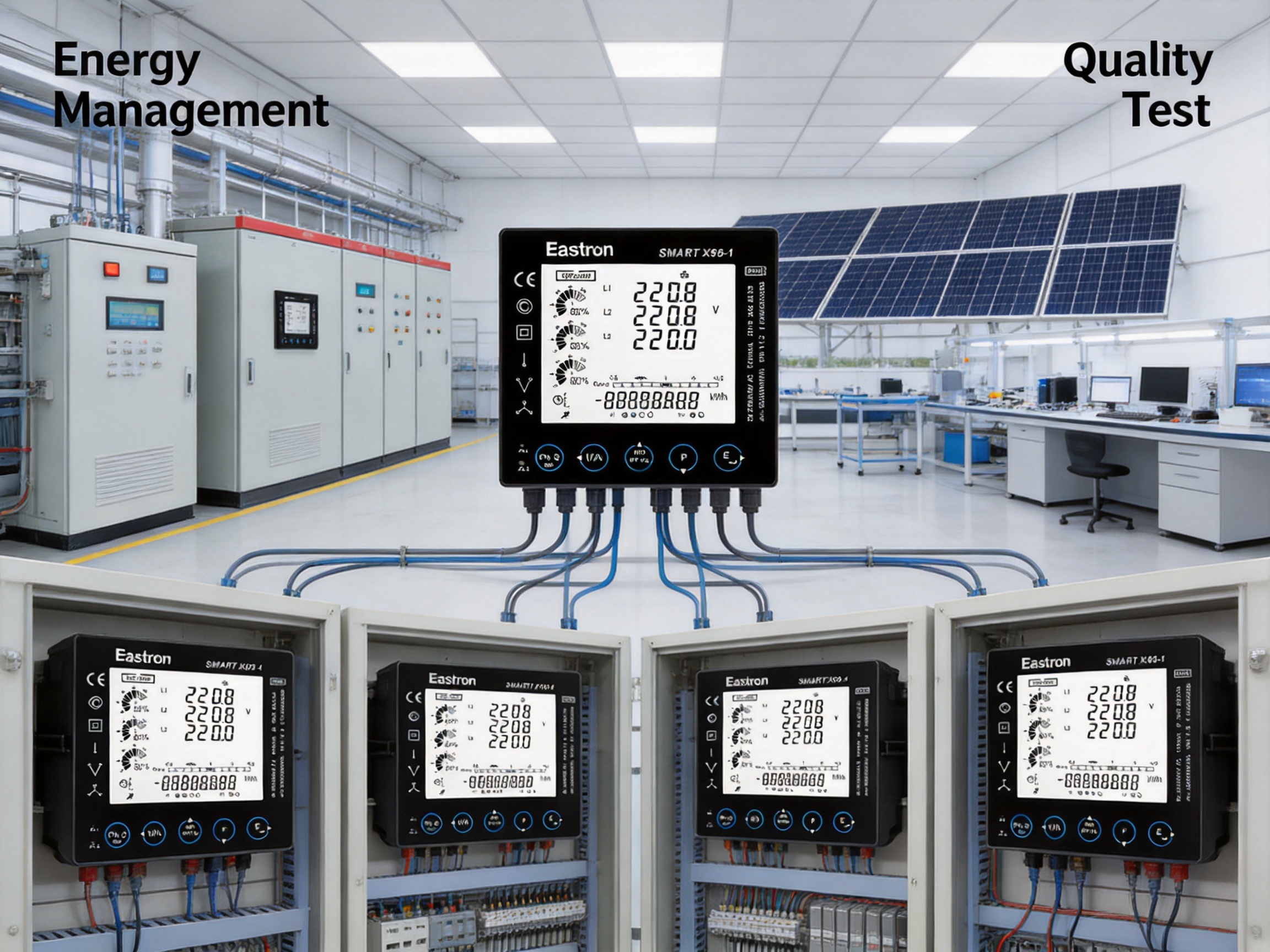
It is designed for three phase AC systems, including 3P3W and 3P4W configurations. It measures RMS values including harmonics and is suitable for panel-mounted monitoring in commercial, industrial, infrastructure, and energy management applications.
The RJ12 CT connection simplifies current transformer wiring. Instead of hardwiring multiple individual CT secondary cables, the installer can use a plug-and-play connection approach. This reduces labor, saves installation time, and lowers the risk of wiring errors such as reversed polarity or phase mismatch.
The product concept indicates that replacing six individual CT secondary cables with the easy click connection method can save installation time by up to 85%. The actual saving depends on panel design, installer experience, project scale, and site conditions.
Yes. It provides THD measurement up to the 63rd harmonic, with THD accuracy stated as 2% to the 63rd harmonic. This helps users identify waveform distortion caused by nonlinear loads such as drives, inverters, chargers, UPS equipment, and electronic power supplies.
The analyzer supports Modbus RTU communication through an RS485 port. It uses 2-wire half duplex communication and supports baud rates of 2400, 4800, 9600, 19200, and 38400 bps. Device addresses from 1 to 247 are available, with parity options of none, even, or odd.
Yes. It provides pulse output for energy monitoring applications. Pulse width can be set to 60, 100, or 200 ms. Pulse output is useful for pulse counters, data loggers, and legacy energy acquisition systems.
The analyzer measures voltage, current, frequency, active power, reactive power, apparent power, power factor, active energy, reactive energy, imported and exported energy, harmonics, and demand-related values. This makes it a multi-function instrument rather than a simple kWh meter.
The rated current input is 100 mA through the RJ12 CT terminal. The maximum current setting supports up to 9999 A, depending on the selected current transformer ratio and system configuration.
The analyzer has dimensions of 96 x 96 x 92 mm. This format is widely used for panel-mounted meters and analyzers, making it suitable for switchboards, control panels, and distribution cabinets.
Power analyzers require accurate measurement circuits, reliable embedded software, robust communication, careful calibration, and compliance with safety and performance standards. A manufacturer with strong research and development, professional laboratories, quality systems, and international experience can provide more consistent products and better technical support.
The RJ12 CT type three phase panel mounted power analyzer is a strong solution for users who need accurate, fast-to-install, communication-ready, and power-quality-aware monitoring in three phase electrical panels. Its plug-and-play current transformer connection reduces wiring complexity, saves labor, and helps prevent common CT wiring errors. Its multi-function measurement capability covers key electrical parameters, active and reactive energy, imported and exported energy, power factor, frequency, and harmonic distortion up to the 63rd harmonic.
Compared with conventional competitor products, the analyzer stands out through installation efficiency, reduced commissioning risk, harmonic insight, Modbus RTU integration, pulse output flexibility, compact panel design, and reliable measurement specifications. It is well suited for commercial buildings, industrial facilities, renewable energy systems, data centers, public infrastructure, and energy management projects.
The value of the product is further strengthened by the manufacturer’s energy measurement expertise, broad product portfolio, advanced research and development resources, professional testing laboratory, ISO 9001 quality management, SGS-approved MID production capability, patented technologies, and international service experience. In an energy market where accuracy, labor efficiency, and data integration all matter, this analyzer offers a practical and forward-looking approach to three phase power monitoring.
International Electrotechnical Commission. IEC 62053-22: Electricity Metering Equipment, Particular Requirements for Static Meters for AC Active Energy, Classes 0.2S and 0.5S.
International Electrotechnical Commission. IEC 62053-21: Electricity Metering Equipment, Particular Requirements for Static Meters for AC Active Energy, Classes 1 and 2.
International Electrotechnical Commission. IEC 62053-24: Electricity Metering Equipment, Particular Requirements for Static Meters for Reactive Energy.
International Electrotechnical Commission. IEC 60529: Degrees of Protection Provided by Enclosures.
UL Standards. UL 94: Tests for Flammability of Plastic Materials for Parts in Devices and Appliances.
Modbus Organization. Modbus Application Protocol Specification.
ISO. ISO 9001 Quality Management Systems: Requirements.
Your email address will not be published. Required fields are marked *

We develop and produce high performance electricity meters, power analyzers, current sensors, communication modules and management systems.
Address:NO. 52, Dongjin Road, Nanhu, Jiaxing, Zhejiang, China
Copyright @ Eastron Electronic Co., Ltd. All rights reserved
