

 English
 Español
 Deutsch
 中文简体


Product Consultation
Your email address will not be published. Required fields are marked *
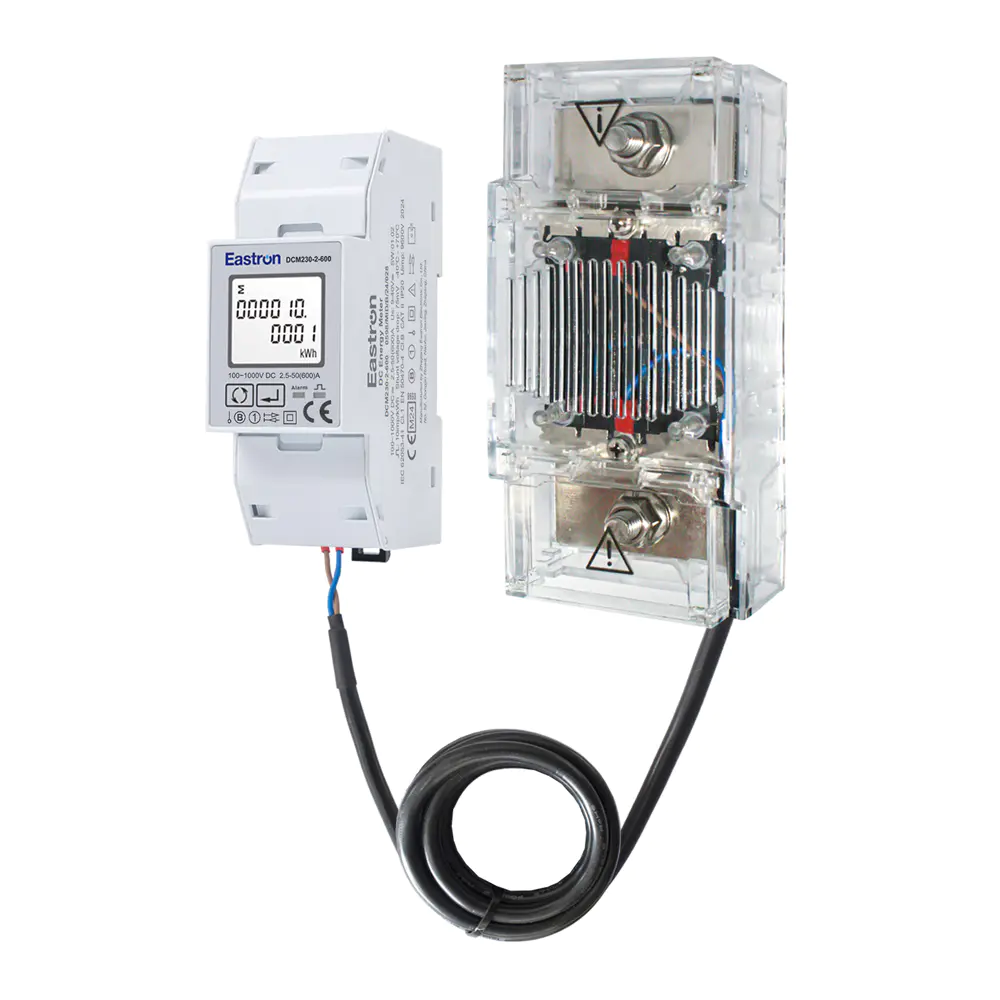
Max. Current 600A Modbus Multi-function DC Energy Meter for EV Charging Metering
Aug 02,2022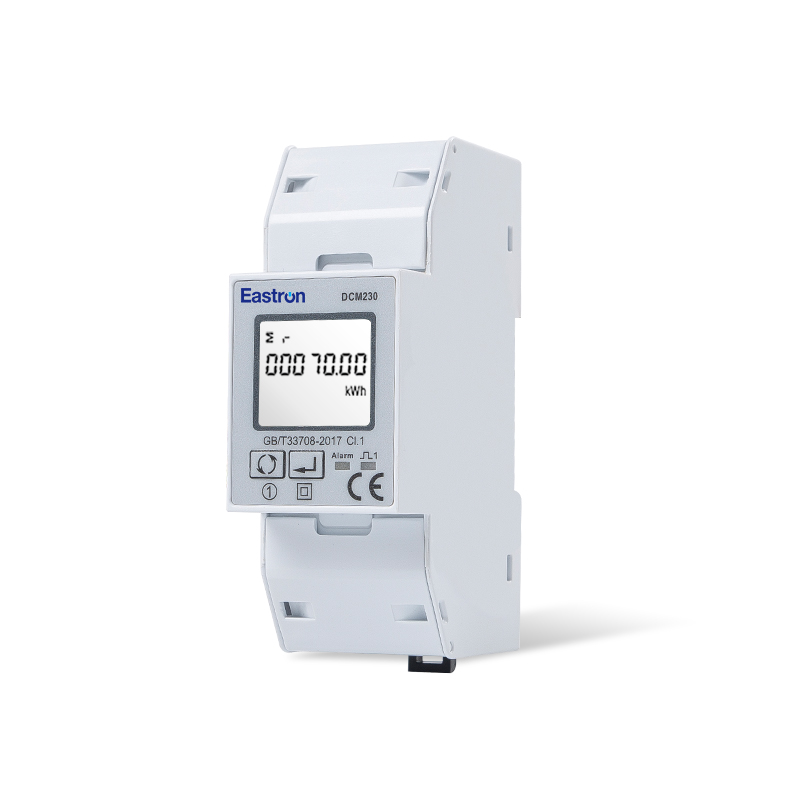
Din Rail DC Energy Monitoring Meter for EV Charging Metering
Aug 02,2022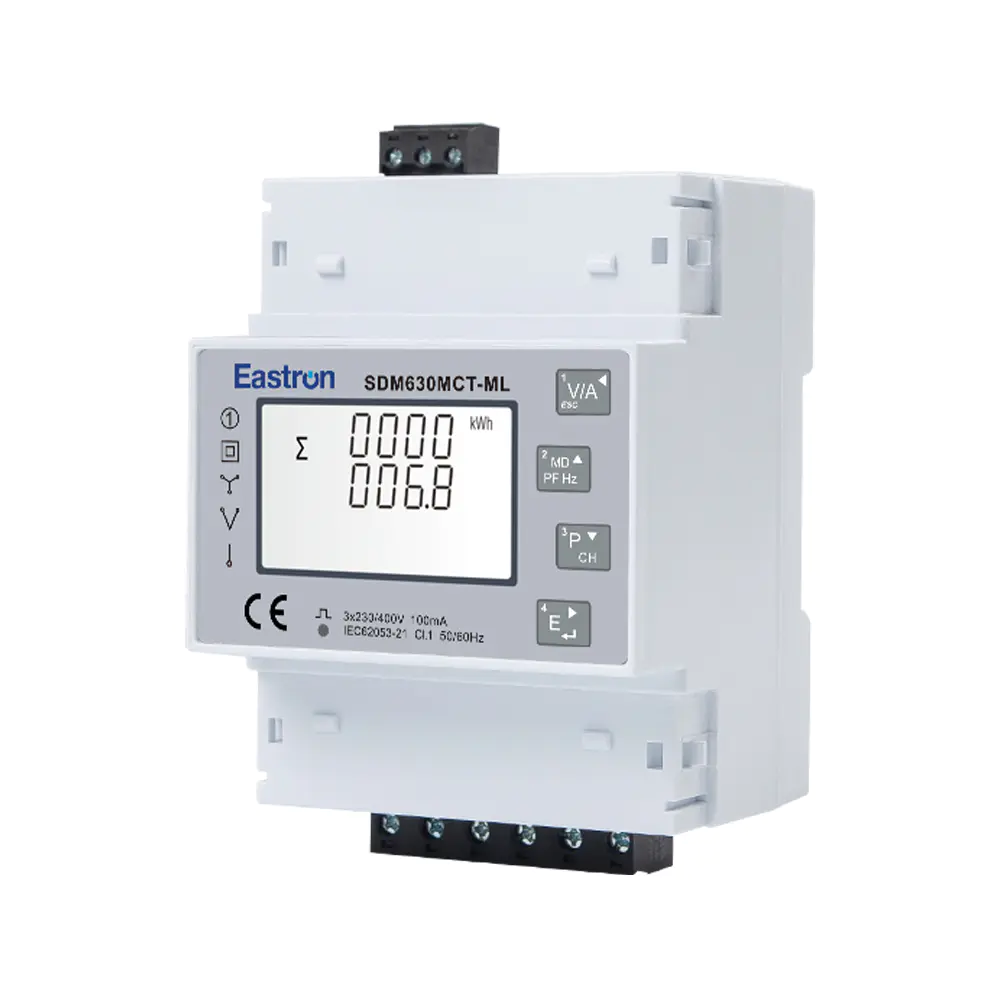
Multi-Circuit Three Phase Ethernet Modbus TCP Energy Meter for Data Center Metering
Aug 03,2022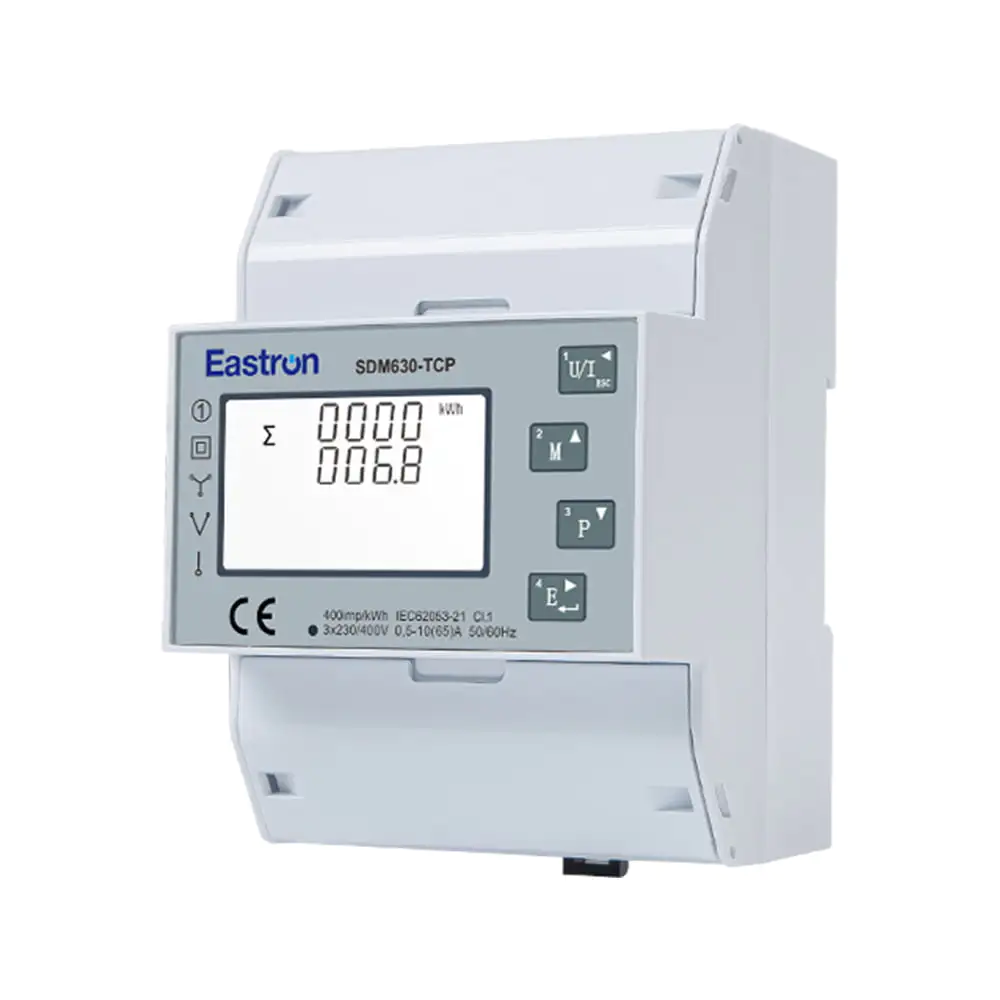
Direct Type Three Phase Ethernet Modbus TCP Energy Meter for Data Center Metering
Nov 24,2022
RS485 CT Connection Three Phase Din Rail Energy Meter for PV Metering
May 30,2025
CT Type Three Phase Din Rail Wifi Energy Meter for PV Metering
May 30,2025Content
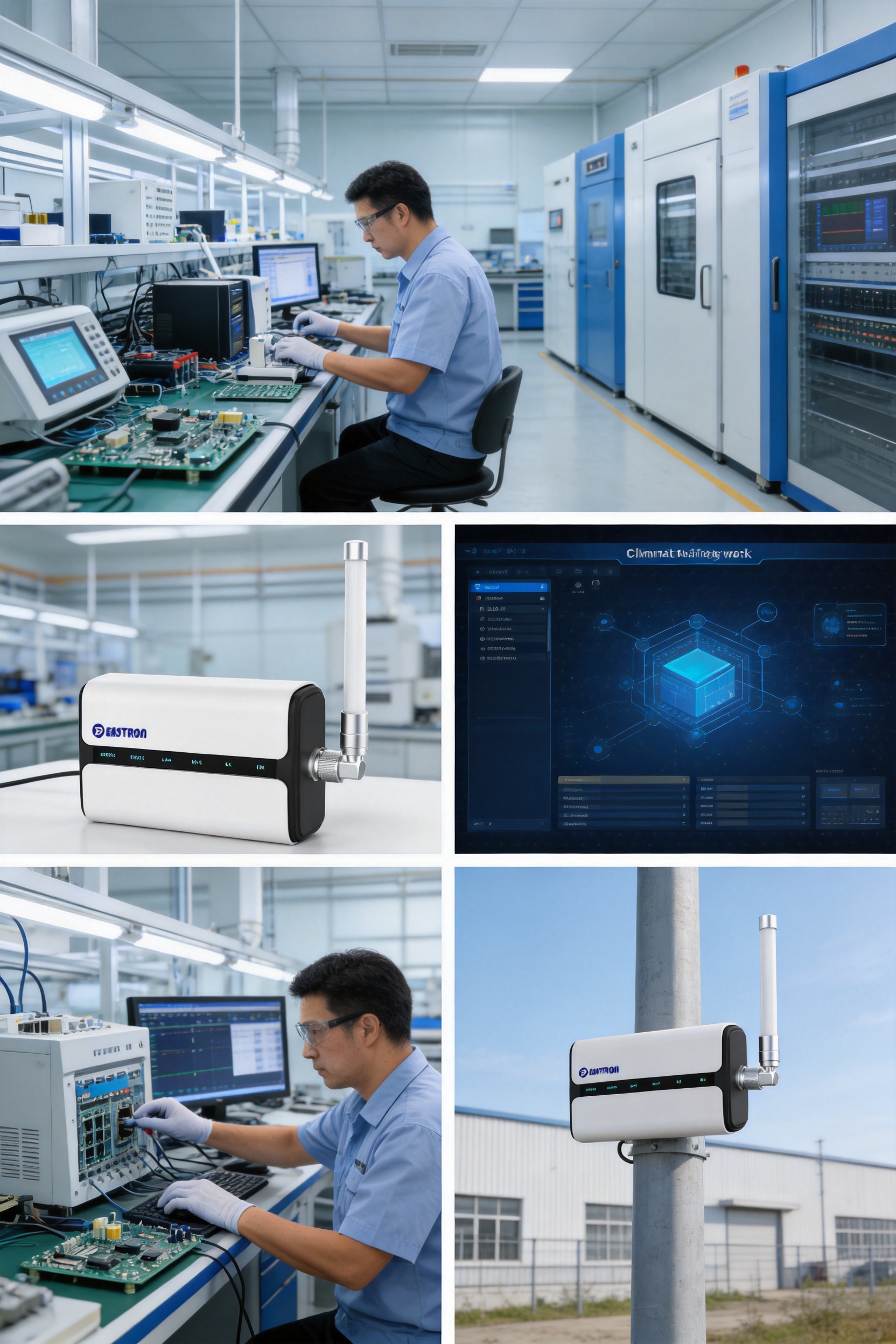
Industrial Internet of Things projects depend on a reliable communication layer. Sensors may collect accurate data, meters may measure energy precisely, and software may provide sophisticated dashboards, but the entire system can still fail to deliver value if field devices cannot transmit information consistently. A gateway provides the essential connection between distributed LoRaWAN® devices and the network, cloud, or local management platform. For smart buildings, energy monitoring, industrial automation, and infrastructure management, the gateway must combine long-range wireless performance, dependable backhaul connectivity, strong processing capability, flexible software, and simple deployment.
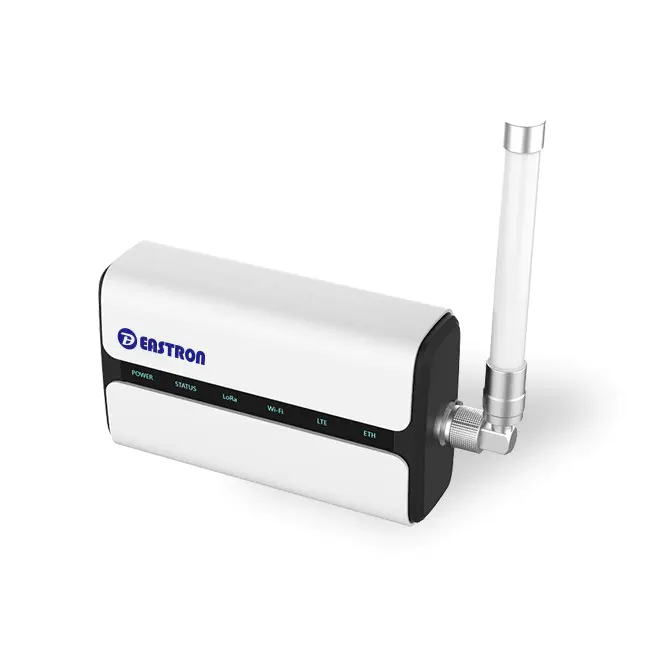
The ESP-65 is an eight-channel LoRaWAN gateway designed for Internet of Things solutions that require dependable indoor and semi-industrial communication. It combines a Semtech SX1302 LoRa concentrator, a quad-core 64-bit processor, Ethernet, Wi-Fi, optional cellular communication, an embedded network server, and compatibility with multiple external network servers. Its IP65 enclosure, broad environmental operating range, multiple mounting options, and low power consumption make it suitable for professional installations rather than only laboratory or hobby applications.
Developed by Eastron Electronic Co., Ltd., a manufacturer focused on electricity meters, power analyzers, current sensors, communication modules, and energy management systems, the gateway extends the company’s energy measurement capabilities into the communication infrastructure required by modern connected facilities. By connecting meters and sensors to local or cloud-based platforms, it supports a complete path from measurement and data acquisition to analysis and management.
LoRaWAN is widely used for applications in which many low-power devices must communicate over long distances while operating for extended periods on batteries. Smart electricity meters, environmental sensors, occupancy sensors, leak detectors, asset trackers, and equipment monitors can transmit small data packets without the cabling required by traditional building automation systems. However, LoRaWAN end devices do not normally connect directly to an enterprise application. Their radio messages must first be received by a gateway.
The gateway collects wireless packets from end devices and forwards them to a LoRaWAN network server. The network server manages device authentication, packet deduplication, adaptive data rates, downlink scheduling, and application routing. The resulting information can then be sent to an energy management platform, building management system, maintenance application, or cloud service.
This architecture makes the gateway a critical point of reliability. A radio gateway must be sensitive enough to receive weak signals, powerful enough to support a substantial number of devices, and flexible enough to use the communications path available at the installation site. It must also remain stable during temperature changes, network interruptions, and varying traffic conditions.
The ESP-65 addresses these requirements through an integrated hardware and software design. It supports eight LoRaWAN channels, multiple regional frequency plans, several backhaul options, and both embedded and external network server configurations. This combination helps reduce the need for separate communication products and simplifies the design of a scalable IoT deployment.
LoRaWAN Gateway for IOT Solutions
At the center of the ESP-65 is a quad-core 1.5 GHz, 64-bit ARM Cortex-A53 processor. This processing platform gives the gateway substantially more computing capability than a basic packet-forwarding device. It can support communication services, security functions, network management, local applications, and network server workloads within one compact enclosure.
The gateway includes 512 MB of DDR4 RAM and 8 GB of eMMC flash storage. The memory capacity supports an operating environment with multiple services and provides room for configuration data, logs, firmware, and local software components. Embedded flash storage also helps the gateway continue operating as a self-contained platform when an external network server is not required or when the installation uses a local server architecture.
A powerful processor and adequate memory are particularly valuable in smart energy applications. A gateway may receive data from electricity meters at regular intervals, manage secure network connections, apply communication rules, store temporary records, and forward data to several destinations. The ESP-65’s processing resources provide a foundation for these tasks while leaving room for future software development and changing application requirements.
The Semtech SX1302 LoRa chip is designed for high-capacity gateway applications. Unlike a simple single-channel receiver, a multi-channel LoRa concentrator can listen to multiple channels and spreading factors at the same time. This is important when many meters and sensors transmit according to different schedules or use different data rates.
The ESP-65 supports eight LoRaWAN channels and a maximum output power of 27 dBm. Its specified sensitivity reaches -140 dBm at 292 bps, allowing it to receive very weak signals under suitable installation conditions. Radio performance depends on antenna placement, local interference, building construction, regional regulations, and end-device configuration, but the stated specifications provide a strong technical basis for long-range communication.
The product supports CN470, IN865, EU868, RU864, US915, AU915, KR920, and AS923 frequency bands. This broad regional coverage helps system integrators use a common gateway platform across international projects. Regional frequency plans remain an important consideration because LoRaWAN operation must comply with local spectrum rules, channel plans, and permitted transmission limits.
The gateway supports LoRaWAN version 1.0 Class A, Class B, and Class C, as well as version 1.0.2 Class A, Class B, and Class C. These device classes support different balances between energy consumption, downlink responsiveness, and application behavior.
Class A is normally used for battery-powered devices because the end device opens receive windows after transmitting. Class B introduces scheduled receive windows for applications that require more predictable downlink communication. Class C keeps the receiver almost continuously available and is appropriate for devices with permanent power and a need for low-latency downlink commands.
Support for multiple classes allows the gateway to participate in different types of projects. A battery-powered temperature sensor, a mains-powered electricity meter, and a remotely controlled industrial device can share the same infrastructure while operating according to their own communication requirements.
A LoRaWAN gateway is only useful when it can forward data reliably. The ESP-65 therefore provides several backhaul choices, allowing installers to match the communication method to the site’s infrastructure, availability, and security requirements.
The gateway includes one RJ45 Ethernet port supporting 10/100/1000 Base-T according to IEEE 802.3. The interface provides automatic speed sensing, automatic MDI/MDIX, and full- or half-duplex operation. This makes it compatible with common switches, routers, and building network infrastructure.
The Ethernet interface also supports Power over Ethernet input through 802.3af PoE. PoE can simplify installation by allowing power and data to travel through one network cable. This is especially useful when the gateway is mounted in a ceiling space, communications cabinet, equipment room, wall, or pole location where installing a separate DC power line would be inconvenient.
Ethernet isolation is specified at 1.5 kV RMS. Isolation helps protect connected equipment and reduce the risk of unwanted electrical potential differences passing through the communications interface. The actual protection achieved in an installation also depends on grounding, cabling, surge protection, and site conditions.
Integrated Wi-Fi provides another deployment option. The gateway supports IEEE 802.11b/g/n and uses a fully integrated internal antenna. Wi-Fi can be useful when Ethernet cabling is unavailable, when a temporary installation is required, or when the gateway is positioned within an existing wireless network.
Wi-Fi support also contributes to commissioning flexibility. Technicians can configure or service a gateway without immediately installing permanent network cabling, subject to the organization’s security policies. The specified transmission power varies by mode and data rate, supporting practical short- and medium-range connectivity in appropriate indoor environments.
An optional cellular interface adds independence from local wired networks. The cellular configuration includes one SIM slot and an integrated internal antenna. Cellular backhaul can be valuable at construction sites, remote facilities, temporary installations, distributed infrastructure locations, and buildings where the IT network cannot be shared with an external control system.
Cellular connectivity can also be used as a backup path. If Ethernet becomes unavailable, a properly configured system may switch to another WAN connection. The ESP-65 includes WAN failover functionality, helping maintain communication continuity when the primary backhaul is interrupted.
Using Ethernet, Wi-Fi, and optional cellular connectivity together provides a practical resilience strategy. Ethernet can serve as the primary connection, Wi-Fi can provide an alternative local path, and cellular can provide a geographically independent backup. The most appropriate configuration depends on data criticality, operating cost, security requirements, and the availability of local infrastructure.
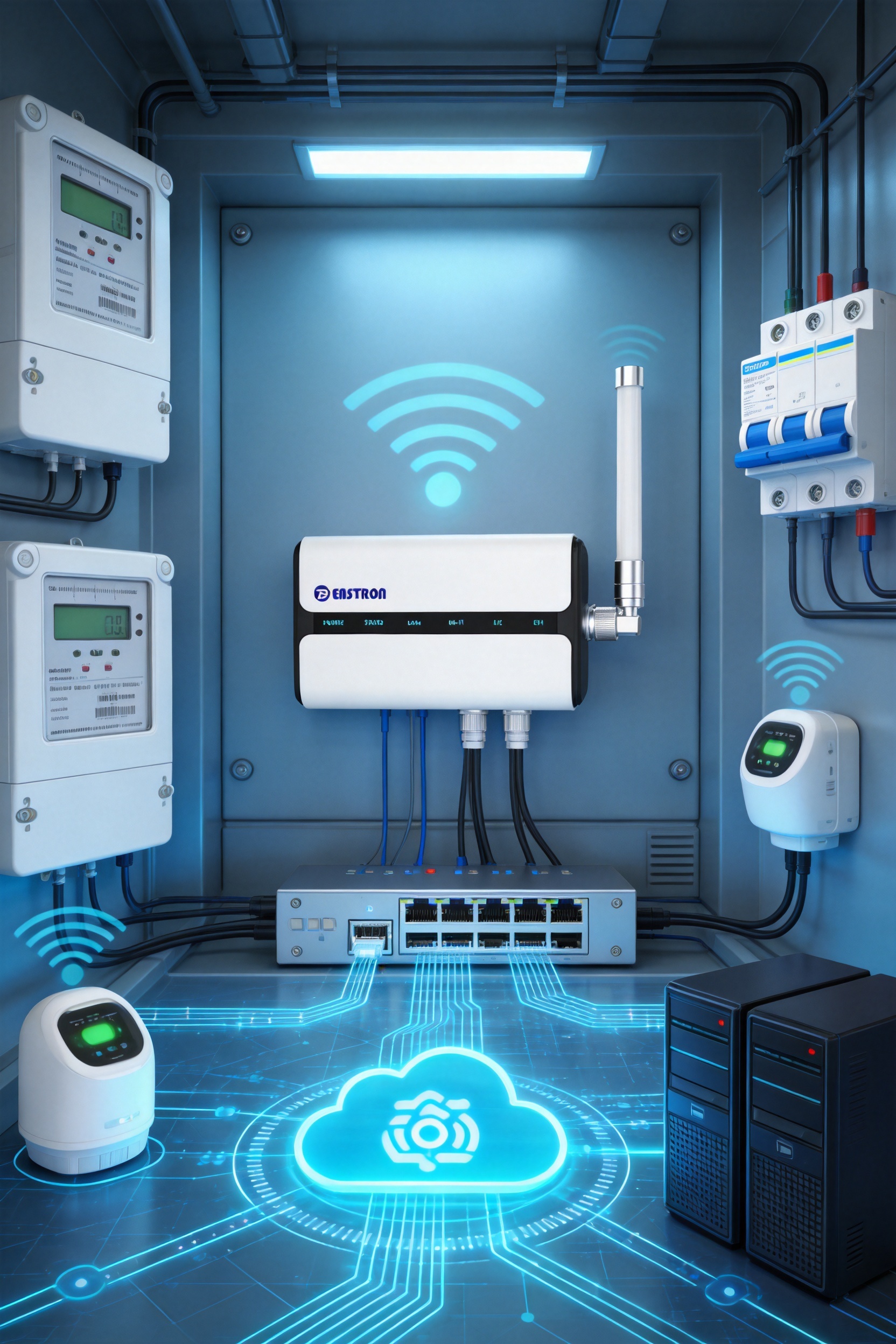
One of the product’s strongest advantages is its flexibility in network server deployment. The ESP-65 includes an embedded network server and is also compatible with multiple network server platforms. This allows the gateway to be used in different system architectures without forcing every customer into one operating model.
An embedded network server can shorten the path from installation to operation. For a small building, pilot project, or local monitoring system, the gateway may manage LoRaWAN connectivity without requiring a separate server computer. This reduces the number of hardware components, simplifies commissioning, and can lower the initial system cost.
For larger or more integrated deployments, the gateway can connect with mainstream network servers such as The Things Network and ChirpStack, subject to the selected software configuration and project requirements. External network server compatibility allows organizations to centralize device management across multiple gateways and sites. It also supports system integrators that already have preferred cloud, private server, or enterprise IoT platforms.
The gateway can be managed through web tools, command-line interfaces, SMS, on-demand dial-up, DeviceHub, and Milesight IoT Cloud according to the available configuration. These management options help technical teams choose between local configuration, centralized fleet administration, and remote service workflows.
Network protocols include PPPoE, SNMP versions 1, 2c, and 3, TCP, UDP, DHCP, DDNS, HTTP, HTTPS, DNS, ARP, SNTP, Telnet, SSH, MQTT, and other common services. This broad protocol support enables integration with conventional information technology environments as well as IoT-specific platforms.
IoT gateways operate at the boundary between field devices and enterprise networks, so security must be considered from the beginning of a project. The ESP-65 supports OpenVPN, IPsec, PPTP, L2TP, GRE, and DMVPN tunnel options. These technologies can help create protected communication paths between remote gateways, private networks, data centers, and cloud services.
Access authentication options include CHAP, PAP, MS-CHAP, and MS-CHAPV2. Firewall functions include access control lists, demilitarized zone settings, port mapping, MAC binding, and URL filtering. These capabilities give administrators tools to restrict access, separate services, and control traffic according to the organization’s network policy.
HTTPS, SSH, SNMPv3, VPN tunneling, strong credentials, controlled firewall rules, and regular firmware maintenance should be used as part of a complete security program. No individual gateway feature can replace proper network design, but the availability of these functions makes the ESP-65 suitable for more demanding professional environments than products limited to basic unsecured connectivity.
The gateway is well suited to collecting data from distributed electricity meters. A facility may have meters in electrical rooms, tenant spaces, production areas, charging points, renewable energy systems, or separate buildings. LoRaWAN enables these meters to communicate without running dedicated data cables to every measurement point.
Once meter data reaches the gateway, it can be transmitted to an energy management platform for consumption analysis, billing support, demand monitoring, power-quality assessment, and operational reporting. In a multi-tenant building, the system can help separate consumption by floor, department, or tenant. In an industrial site, it can help compare energy use between production lines and identify unusual operating patterns.
Communication infrastructure does not replace the need for suitable metering equipment. The meter must provide the required accuracy, electrical safety, measurement functions, and communication payload. The gateway’s role is to provide a reliable bridge that makes the information available to software and decision-makers.
Smart offices and commercial buildings often contain a mixture of legacy systems and new sensors. Installing a fully wired network for every device can be disruptive and expensive, particularly in existing buildings. A LoRaWAN gateway can support wireless sensors for temperature, humidity, occupancy, lighting status, water leakage, indoor air quality, and energy use.
The ESP-65 is designed for indoor applications and can support long-range communication. Its stated line-of-sight range can reach up to 15 km under suitable conditions, while practical coverage in an urbanized environment may be approximately 2 km. Actual results depend on walls, floors, reinforced concrete, metal structures, interference, antenna position, device output power, and regional restrictions. Even so, these capabilities can reduce the number of gateways required for many building and campus projects.
The IP65 enclosure provides protection against dust ingress and water jets from various directions. This is useful for equipment rooms, sheltered outdoor locations, industrial areas, and other sites where a more protected enclosure is desirable. The gateway should nevertheless be installed according to the environmental limits and mounting instructions, and the enclosure should not be treated as a substitute for proper site engineering.
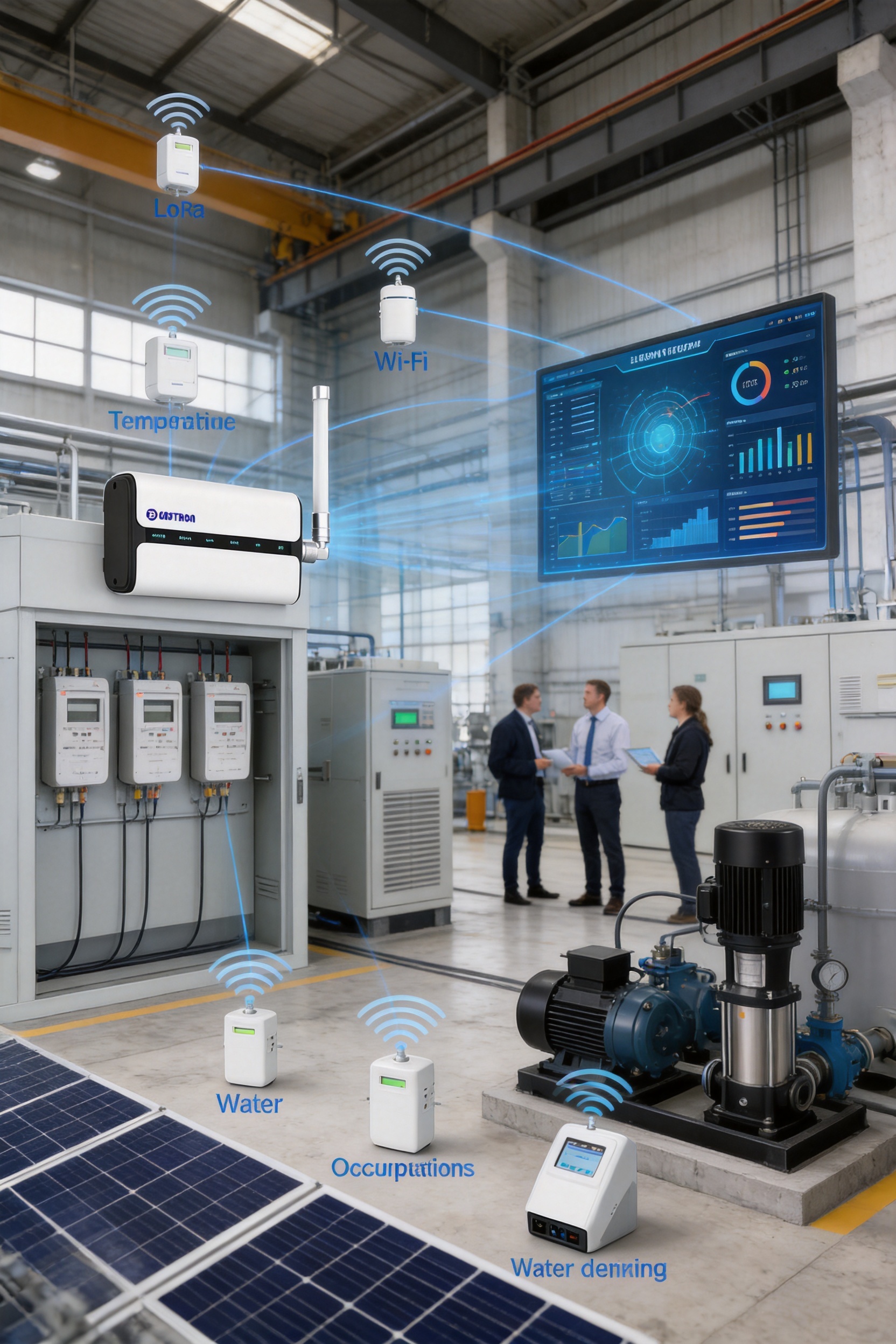
Industrial facilities may use LoRaWAN for monitoring pumps, motors, valves, storage areas, utility systems, and remote equipment. Battery-powered sensors can often be installed without taking machines out of service for extensive cabling work. The gateway then aggregates field data and forwards it to maintenance or supervisory systems.
Remote infrastructure applications may include water facilities, solar installations, agricultural buildings, warehouses, parking areas, and distributed energy assets. In these environments, the optional cellular interface can be particularly valuable where fixed network access is unavailable. The gateway’s wide operating temperature range of -40°C to +70°C supports demanding conditions, although reduced cellular performance is specified above 60°C.
For mission-critical control, engineering teams must carefully assess latency, redundancy, fail-safe behavior, and the suitability of LoRaWAN for the specific control loop. LoRaWAN is highly effective for monitoring and many command functions, but applications requiring deterministic millisecond-level control may require a different communication technology.
Organizations increasingly need accurate information about where and when energy is consumed. A gateway-based metering network can provide the data required to establish baselines, identify waste, evaluate efficiency projects, and verify improvements.
For example, a facility can compare energy consumption during occupied and unoccupied periods, monitor the performance of HVAC systems, identify abnormal nighttime loads, or measure the effect of equipment replacement. When combined with tariff information and operational data, energy managers can make better decisions about peak demand, load shifting, and equipment scheduling.
The value of the gateway is therefore not limited to radio communication. It enables a data collection architecture that can support measurable business outcomes. These outcomes may include lower energy costs, more efficient maintenance, improved tenant services, reduced manual meter reading, and stronger reporting for environmental objectives.
The ESP-65 has an IP65-rated enclosure. The first digit indicates protection against dust, while the second indicates protection against water jets. This level of protection helps the gateway operate in locations where ordinary office networking equipment may be unsuitable.
Installation teams should still consider condensation, direct sunlight, chemical exposure, vibration, electromagnetic interference, and the need for airflow around the equipment. Correct cable glands, sealed connectors, and appropriate mounting orientation are important for maintaining the intended protection level.
The gateway supports desktop, wall, and pole mounting. This flexibility allows designers to select a location that optimizes radio coverage, backhaul access, power availability, and serviceability. Wall mounting may be suitable for equipment rooms and corridors, desktop mounting may suit control cabinets or temporary deployments, and pole mounting may support outdoor or campus installations when permitted by local conditions.
Mounting flexibility also helps integrators standardize on one gateway model across different projects. Rather than selecting separate hardware for each physical environment, the installation method can be adapted to the site.
The product measures 180 by 110 by 56.5 millimeters. Its compact size allows it to fit into many communications cabinets, service spaces, and wall-mounted installations. Power consumption is specified at no more than 4.2 W, supporting efficient continuous operation.
Low power consumption can be important when the gateway is powered through PoE, a small DC supply, a backup battery system, or a solar-assisted installation. It also helps reduce operating costs over a large fleet of gateways. When cellular communication, Wi-Fi, or heavy processing is active, actual consumption may vary according to configuration and network conditions.
IoT gateways are commonly expected to operate continuously with limited on-site intervention. The ESP-65 includes a watchdog, real-time clock, and timer. These functions support automatic recovery, time-based tasks, event scheduling, and accurate time management.
The watchdog can help detect and recover from certain software or communication faults. The real-time clock supports time-stamped records and scheduled operations. Timers can assist with recurring communication, reset, or management tasks. Together, these features contribute to autonomous operation, although system designers should still include appropriate monitoring and maintenance procedures.
LED indicators provide visible status information for power, system status, LoRa activity, Wi-Fi, LTE, and Ethernet. These indicators simplify installation and troubleshooting by allowing technicians to check the basic condition of each communication function without immediately connecting diagnostic equipment.
A reset button is provided for controlled recovery or maintenance operations. A Type-C console port offers a local service interface for configuration and troubleshooting. These details are practical but important: effective serviceability can reduce downtime and shorten the time required to diagnose a field issue.
The performance of a gateway depends not only on its component list but also on the manufacturer’s engineering, testing, production control, and after-sales support. Eastron Electronic Co., Ltd. has established its business around electricity products and energy measurement solutions, including electricity meters, power analyzers, current sensors, communication modules, and management systems. This product background is relevant because gateway deployments often form part of a larger energy measurement project rather than functioning as isolated networking products.
The company maintains development teams in China and the United Kingdom and continues to invest in new metering and communication technologies. A combined hardware, embedded software, and application perspective can help produce equipment that is better aligned with real measurement projects.
The ESP-65 demonstrates this integrated approach. It combines radio hardware, processor resources, network functions, VPN support, firewall controls, local management, cloud compatibility, and physical protection in one platform. Such integration requires coordination between radio engineering, embedded software, networking, mechanical design, testing, and technical documentation.
The company also reports patented technologies in software, embedded software, and hardware. Patents do not automatically indicate that every application will be successful, but they demonstrate an emphasis on internal technical development rather than dependence solely on standard off-the-shelf assemblies.
Eastron has established a professional laboratory capable of conducting electromagnetic compatibility, low-voltage directive, accuracy, and environmental tests according to IEC, EN, GB, and UL standards. These test capabilities are especially valuable for electrical and communication products because they allow engineering teams to identify weaknesses before products reach customers.
EMC testing helps evaluate emissions and immunity. A gateway installed near switchgear, drives, power supplies, and other electrical equipment must operate without causing unacceptable interference and must remain functional in the presence of reasonable disturbances. Environmental testing helps assess operation under temperature, humidity, and related conditions. Electrical safety testing supports the evaluation of insulation and protection requirements.
For a company producing both meters and communication gateways, laboratory resources can also support system-level validation. Metering accuracy, communications behavior, environmental performance, and electrical safety can be considered together during product development.
The company follows the ISO 9001 quality management system. A quality management system provides a framework for controlled processes, documentation, corrective action, supplier management, inspection, and continual improvement. For an equipment buyer, this can be as important as individual product specifications because consistent manufacturing is necessary when deploying many units across multiple sites.
Production quality involves more than final inspection. It includes printed circuit board assembly, component traceability, firmware loading, enclosure assembly, connector verification, functional testing, packaging, and shipment control. Consistent procedures reduce variation between units and make technical support more efficient.
The company’s production is also approved by SGS according to MID standards. MID-related production approval is particularly relevant to electricity measurement products and demonstrates experience with regulated manufacturing processes. Although the ESP-65 is a communication gateway rather than a metering instrument itself, this background contributes to confidence in the company’s broader approach to product control and energy-sector requirements.
Eastron products and services have been supplied to more than 50 countries across Europe, Asia-Pacific, America, the Middle East, and Africa. International experience requires attention to regional frequency plans, certification, documentation, language, installation practices, import requirements, and customer support.
The ESP-65’s support for multiple LoRaWAN frequency bands reflects this international orientation. Its CE and FCC certifications provide additional evidence that the product has been developed with recognized market requirements in mind. Certification requirements vary by country and application, so integrators should confirm the exact approval status required for the intended market.
The ESP-65 offers several practical advantages over entry-level gateways that provide only a single backhaul connection and basic packet forwarding.
First, its combination of Ethernet, Wi-Fi, optional cellular communication, and WAN failover creates more deployment flexibility. A basic gateway may become unusable when its only network connection is unavailable. The ESP-65 can be designed into a more resilient communication architecture.
Second, its embedded network server can reduce system complexity for smaller projects. A separate network server may still be preferred for large deployments, but the option to operate locally can simplify pilot projects, remote sites, and independent building systems.
Third, the quad-core processor, DDR4 memory, and eMMC storage provide more computing headroom than a minimal gateway. This can support richer software functionality, local services, security tools, and future updates.
Fourth, the IP65 enclosure, broad operating temperature range, and multiple mounting methods make it more adaptable to practical field conditions. A gateway designed only for a clean indoor office environment may require an additional enclosure or may be unsuitable for equipment rooms and semi-outdoor locations.
Fifth, compatibility with multiple regional frequency plans helps system integrators standardize hardware across international projects. Standardization can simplify purchasing, training, configuration, spares, and support.
Finally, the product is backed by a manufacturer with experience in electricity metering and energy management. This can be advantageous when the gateway is part of a complete energy measurement solution, because the supplier understands both the communication layer and the data that energy applications need to collect.
Before installation, identify the types and number of LoRaWAN devices, expected reporting intervals, required downlink behavior, regional frequency plan, data retention needs, and target application platform. Determine whether the project is primarily for monitoring, control, asset tracking, energy billing support, or a combination of functions.
Review floor plans, wall materials, equipment locations, metal obstructions, vertical levels, and possible interference sources. A gateway should be positioned to provide the best practical coverage rather than simply placed beside the nearest network socket. For multi-floor buildings, test representative locations and consider the effects of reinforced concrete and service shafts.
Choose Ethernet, Wi-Fi, cellular, or a combination based on availability and reliability requirements. For a fixed commercial building, Ethernet with PoE may be the preferred primary connection. For remote sites, cellular may be the main connection. For important installations, configure WAN failover and confirm that the backup path has sufficient data service and signal quality.
Change default credentials, limit administrative access, select appropriate VPN and firewall rules, disable unnecessary services, and establish a firmware update procedure. Coordinate gateway settings with the organization’s IT and cybersecurity teams. Document SIM details, network addresses, certificates, access policies, and recovery procedures.
Confirm power input, Ethernet or wireless connectivity, LoRaWAN packet reception, network server registration, device join behavior, data forwarding, time synchronization, and alarm reporting. Test the primary and backup backhaul paths. Verify that the gateway remains stable after reboot and that field devices reconnect correctly.
Commissioning should include a coverage survey and an application-level test. Seeing packets at the gateway is not enough; the energy management or IoT platform must receive complete, correctly interpreted data. Record signal quality, device locations, firmware versions, network settings, and test results for future maintenance.
Although the ESP-65 is designed for continuous operation, planned maintenance remains important. Administrators should monitor uptime, storage use, processor load, network errors, packet activity, cellular signal quality, and VPN status. Abnormal changes may indicate a failing cable, interference, network problem, or field-device issue.
Firmware should be updated according to the manufacturer’s recommendations and the organization’s change-control procedures. Updates should be tested before broad deployment, especially when a gateway supports critical energy data or remote control functions. Configuration backups should be stored securely so that a replacement unit can be commissioned efficiently.
Physical inspections should verify enclosure condition, cable strain relief, connector integrity, mounting stability, and signs of moisture or overheating. Installations in dusty or hot environments may require more frequent inspection. Cellular installations should also include SIM management and subscription monitoring.
At the end of the lifecycle, equipment should be decommissioned securely. Remove credentials, certificates, SIM cards, and customer data according to organizational policy. A well-planned lifecycle approach protects both operational continuity and information security.
The ESP-65 is an eight-channel LoRaWAN gateway that receives wireless data from LoRaWAN end devices and forwards it through Ethernet, Wi-Fi, or optional cellular connectivity to a network server or IoT platform. It is intended for smart buildings, energy monitoring, industrial monitoring, and other Internet of Things applications.
The gateway supports eight LoRaWAN channels. Its radio architecture is based on the Semtech SX1302 LoRa chip, which is designed for multi-channel gateway operation.
Supported frequency bands include CN470, IN865, EU868, RU864, US915, AU915, KR920, and AS923. The correct configuration must be selected for the country and local regulatory requirements.
Yes. It includes one RJ45 port supporting 10/100/1000 Base-T Ethernet, auto-sensing data rates, auto MDI/MDIX, and full- or half-duplex operation. The port also supports 802.3af PoE input.
Yes. The gateway supports IEEE 802.11b/g/n Wi-Fi. Cellular communication is available as an optional interface with one SIM slot and an integrated internal antenna.
The ESP-65 includes an embedded network server, which can simplify local or small-scale deployments. It is also compatible with multiple external network servers, allowing organizations to use centralized, private, or cloud-based architectures.
It uses a quad-core 1.5 GHz, 64-bit ARM Cortex-A53 processor, supported by 512 MB of DDR4 RAM and 8 GB of eMMC flash storage.
The gateway has IP65 protection and supports wall, desktop, and pole mounting. It may be suitable for protected outdoor or semi-outdoor locations when installed within the specified environmental limits. Site conditions such as direct sunlight, condensation, chemical exposure, and extreme heat must be evaluated before installation.
The specified operating temperature range is -40°C to +70°C. Reduced cellular performance may occur above 60°C. Storage temperature is specified from -40°C to +85°C.
Security-related features include VPN options such as OpenVPN and IPsec, authentication methods including CHAP and PAP, firewall functions, access control lists, MAC binding, URL filtering, HTTPS, SSH, and SNMP support. These functions should be configured as part of a complete organizational cybersecurity policy.
The gateway can be powered through a DC jack using 9–24 VDC or through one 802.3af PoE input. Power consumption is specified at no more than 4.2 W, although actual consumption can vary with configuration and operating conditions.
Potential applications include electricity meter data collection, smart offices, smart buildings, environmental monitoring, industrial equipment monitoring, remote infrastructure, energy management, utility monitoring, and distributed sensor networks.
The ESP-65 combines long-range LoRaWAN communication, multi-channel reception, flexible regional support, powerful processing, multiple backhaul options, security functions, and an IP65 enclosure in one gateway platform. These features make it more than a basic wireless bridge. It is a practical infrastructure component for connecting energy meters, sensors, and other field devices to local systems, private networks, cloud platforms, and energy management applications.
Its advantages are particularly clear in projects that require deployment flexibility and operational resilience. Ethernet, Wi-Fi, optional cellular communication, PoE, WAN failover, embedded network server capability, and external network server compatibility allow the gateway to adapt to different site conditions. Its processor, memory, eMMC storage, watchdog, real-time clock, and management functions support long-term operation and serviceability.
The manufacturer’s experience in electricity measurement, energy solutions, embedded technologies, laboratory testing, ISO 9001 quality management, and international supply strengthens the product’s position in professional applications. For organizations seeking a scalable communication foundation for smart energy and IoT projects, the ESP-65 provides a balanced combination of radio performance, networking flexibility, physical protection, and system integration capability.
1. ESP-65 Product Technical Specification, LoRaWAN Gateway Documentation.
2. LoRa Alliance, LoRaWAN® Specification and Device Class Guidelines.
3. Semtech, SX1302 LoRa® Gateway Concentrator Technical Materials.
4. IEEE, IEEE 802.3 Ethernet Standards.
5. IEEE, IEEE 802.11 Wireless LAN Standards.
6. International Organization for Standardization, ISO 9001 Quality Management Systems.
7. International Electrotechnical Commission, Electromagnetic Compatibility and Low-Voltage Safety Standards.
8. European Commission, Radio Equipment and Electrical Product Compliance Principles.
9. Internet Engineering Task Force, Internet Protocol, VPN, MQTT, SNMP, and Network Security Standards.
10. Energy Management and Smart Building Industry Practice Guidelines.
Your email address will not be published. Required fields are marked *

We develop and produce high performance electricity meters, power analyzers, current sensors, communication modules and management systems.
Address:NO. 52, Dongjin Road, Nanhu, Jiaxing, Zhejiang, China
Copyright @ Eastron Electronic Co., Ltd. All rights reserved
