

 English
 Español
 Deutsch
 中文简体


Product Consultation
Your email address will not be published. Required fields are marked *
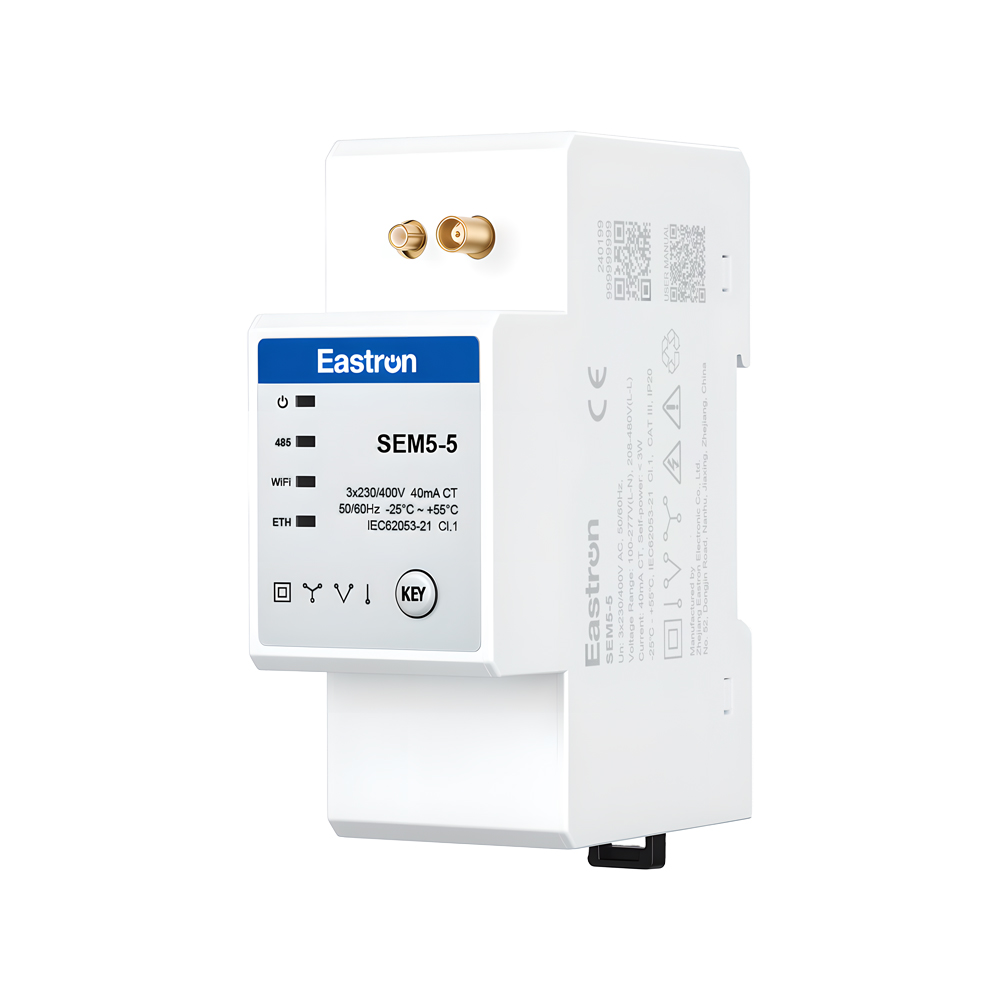
CT Operated Wireless Three Phase Energy Meter for PV Metering
May 30,2025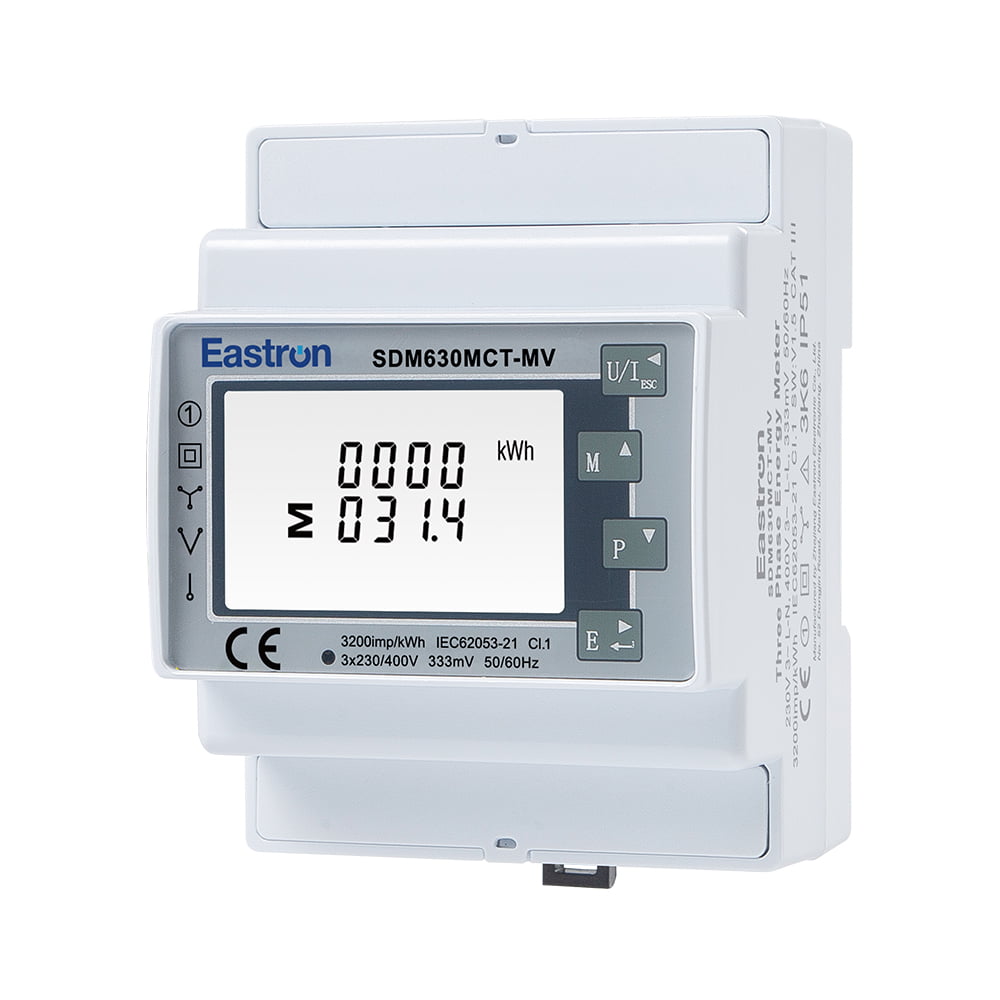
RCM CT Type Din Rail Three Phase Multi-function Solar PV /Zero Export Meter for PV Metering
Aug 03,2022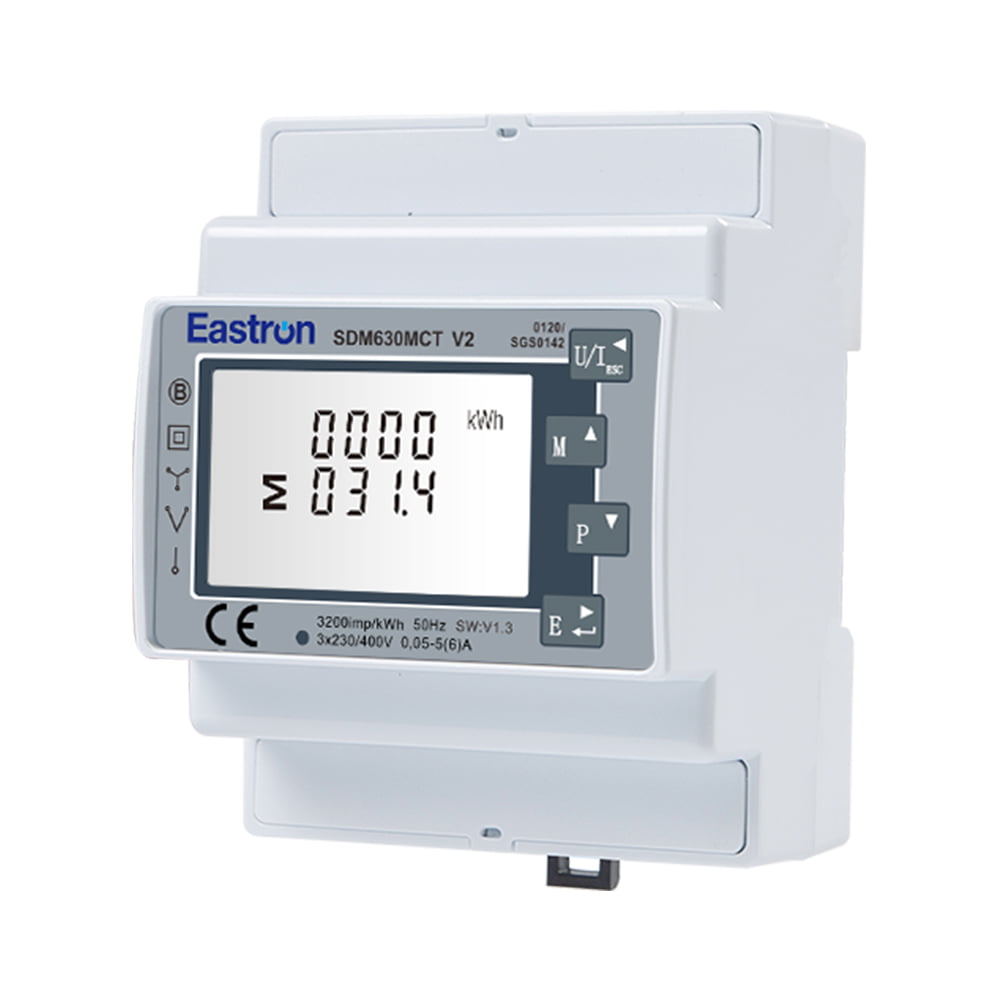
MID Approved CT Type Din Rail Three Phase Multi-function Solar PV /Zero Export Meter for PV Metering
Nov 24,2022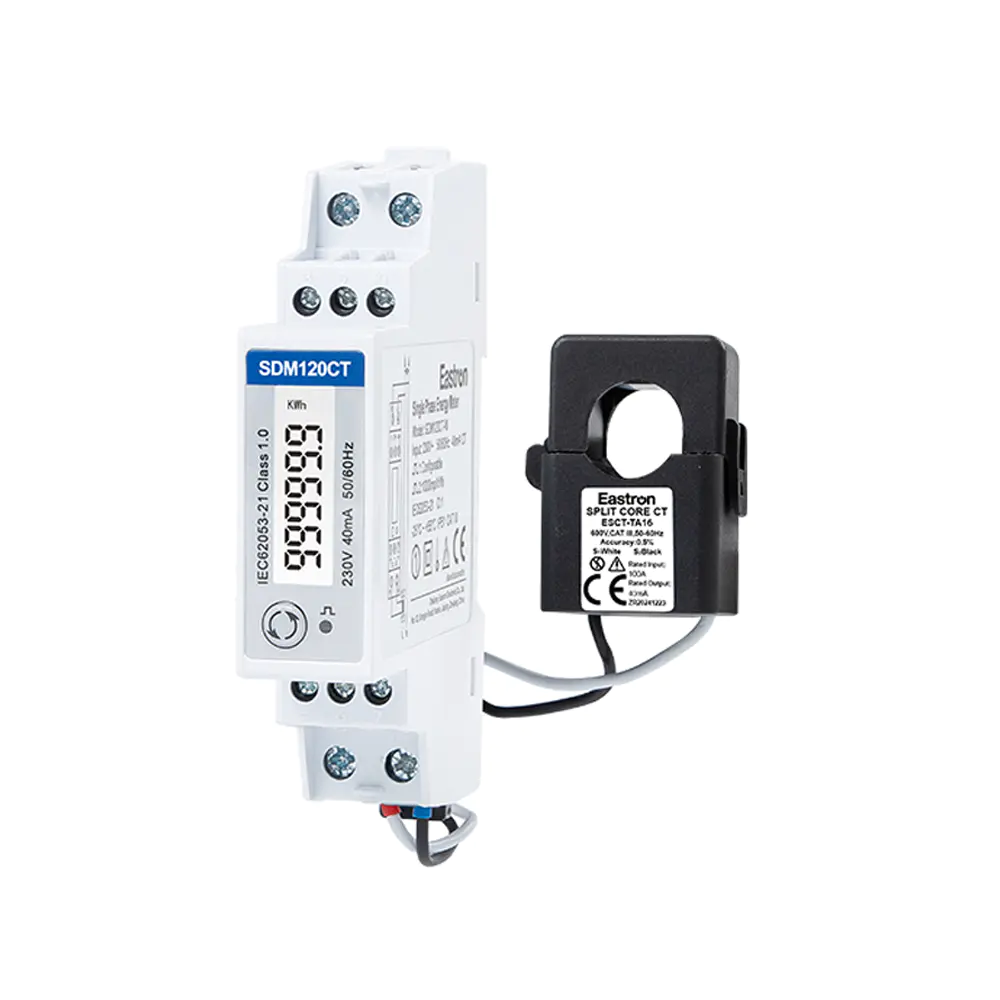
RCM 40mA CT Input Din Rail Single Phase Multi-function Solar PV /Zero Export Meter for PV Metering
Nov 24,2022
MID 3 Modules Din Rail Three Phase Multi-function Solar PV /Zero Export Meter for PV Metering
Aug 02,2022
MID/RCM 100mA CT input Din Rail Single Phase Multi-function Solar PV /Zero Export Meter for PV Metering
Nov 24,2022Content

The transition toward distributed energy is changing the way electricity must be measured, controlled, and managed. Solar photovoltaic systems, commercial buildings, industrial facilities, and intelligent electrical installations all require accurate information about voltage, current, power, energy flow, and the direction of electricity movement. In a conventional installation, a basic meter may show total consumption, but it often cannot provide the communication capability, flexibility, or real-time information required by modern energy-management systems.
The SEM5-5 is designed for this new generation of applications. It is a compact, CT-operated, multi-function AC energy meter intended for photovoltaic monitoring, zero-export control, load measurement, and general power-management tasks. The meter supports 1P2W, 3P3W, and 3P4W systems, while providing Wi-Fi, RS485, and Ethernet communication options. It can measure key electrical parameters and make those values available to monitoring platforms, controllers, gateways, building-management systems, and industrial automation equipment.
Its compact DIN-rail format, flexible communication architecture, Modbus compatibility, and photovoltaic operating modes make it suitable for installations where space is limited and where energy data must be collected continuously. At the same time, the product benefits from the technical capabilities, testing infrastructure, and manufacturing experience of its developer, Eastron Electronic Co., Ltd., a specialist in electricity meters, power analyzers, current sensors, communication modules, and energy measurement solutions.
Energy measurement is no longer limited to recording the amount of electricity consumed over a billing period. Modern electrical systems need to understand how energy is being generated, consumed, imported, exported, and distributed at any given moment. This is particularly important for solar PV installations, where the production of electricity can change rapidly according to sunlight, weather, inverter operation, and local load conditions.
A photovoltaic system may generate more power than a building needs during periods of strong sunlight. If the surplus is allowed to flow into the public grid, the site may face export restrictions, contractual limitations, or grid-compliance requirements. A zero-export control system therefore needs reliable real-time measurement at the point of connection. The measurement device must identify the direction and magnitude of power flow and communicate this information quickly to an inverter controller or energy-management system.
The SEM5-5 addresses this requirement by combining electrical measurement with several communication methods. It can measure voltage, current, frequency, active power, reactive power, active energy, reactive energy, power factor, and import or export direction. This information enables a control system to determine whether a site is consuming electricity from the grid, sending electricity to the grid, or balancing generation and demand internally.
The same measurement data can also support broader applications. Facility managers can identify peak demand, compare production with consumption, analyze equipment operation, and evaluate the effect of energy-saving measures. Industrial users can monitor the electrical behavior of machinery and production lines. Building-automation systems can use power data to optimize HVAC equipment, lighting, battery storage, and other loads.
The SEM5-5 is a next-generation DIN-rail AC power meter for single-phase and three-phase installations. It supports 1P2W, 3P3W, and 3P4W wiring arrangements, allowing the same product family to serve different electrical system configurations. This flexibility reduces the need to select completely different meter types for different projects.
The meter is CT-operated, making it suitable for installations in which the measured current is too high for direct connection to a compact meter or where isolation between the power circuit and the measurement electronics is preferred. Current transformers allow the meter to measure larger loads while keeping the meter itself compact. The appropriate CT ratio and wiring arrangement should be selected according to the project design and the product configuration.
With an approximate width of two DIN modules, or about 36 mm, the meter is designed to occupy limited space inside a distribution board or control cabinet. Its compact construction is particularly useful in retrofit projects, photovoltaic combiner and control panels, smart-building distribution boards, and industrial enclosures where every module position matters.
The product combines local measurement with network connectivity. RS485 provides a dependable wired communication channel using Modbus RTU. Ethernet provides Modbus TCP communication for network-based systems. Wi-Fi offers a wireless option for locations where installing a new communication cable would be inconvenient or expensive. A LoRa option is also available for applications requiring longer-range, low-power wireless communication architecture, subject to the selected model and project requirements.
Solar PV systems require more than a simple energy counter. A zero-export application needs to know the instantaneous active power at the grid connection point and must distinguish between imported and exported energy. This allows an external controller to adjust inverter output, activate local loads, or coordinate battery charging so that generated electricity remains within the permitted operating limits.
The SEM5-5 is suitable for this measurement role because it provides fast data updates and supports multiple communication interfaces. Its stated data update rate is 100 milliseconds, while the RS485 response time is specified as less than 100 milliseconds. Actual system performance will depend on the communication network, controller design, inverter response, CT installation, and software settings, but the meter provides a suitable measurement foundation for dynamic energy-management applications.
PV modes are available to support photovoltaic-related measurement and control arrangements. These modes can be used as part of a broader zero-export system in which the meter communicates with an inverter, plant controller, energy-management gateway, or other supervisory device. The meter itself provides the electrical information; the overall export-control function depends on the complete system architecture and the capabilities of the connected control equipment.
In a typical installation, the CTs are positioned around the conductors at the grid connection or selected load point. The meter measures the voltage reference and current signals, calculates electrical values, and transmits the results through Modbus RTU, Modbus TCP, or Wi-Fi. A controller then interprets the measurement and sends appropriate commands to the solar inverter or other equipment. Correct CT orientation, phase association, ratio configuration, and voltage wiring are essential for accurate import and export identification.
For facilities with multiple loads, the SEM5-5 can support one three-phase load measurement or three single-phase load measurements, depending on the system configuration and application design. This flexibility can be useful when a building has a three-phase main supply but also requires individual monitoring of three separate single-phase circuits.
CT Operated Wireless Three Phase Energy Meter for PV Metering
The meter supports 1P2W, 3P3W, and 3P4W systems. A 1P2W system is commonly used for single-phase circuits with line and neutral conductors. A 3P3W system is used in certain three-phase installations without a neutral connection. A 3P4W system includes three phase conductors and a neutral conductor and is common in commercial, industrial, and building-distribution systems.
Supporting these configurations allows the product to serve a broad range of applications while maintaining a consistent communication and monitoring concept. Installers and system integrators can select the appropriate wiring mode during commissioning rather than requiring a separate meter platform for every electrical arrangement.
The specified nominal voltage is 3 × 230 V line-to-neutral and 400 V line-to-line. The working voltage range is 100 to 277 V AC line-to-neutral and 173 to 480 V AC line-to-line. The meter operates at 50 or 60 Hz, making it suitable for many international low-voltage electrical systems.
Because the meter uses external current transformers, it can be integrated into higher-current distribution systems without passing the entire load current through the meter body. This can simplify panel design and improve installation practicality. The exact CT specifications, secondary rating, burden, insulation requirements, and ratio settings must be confirmed for the selected product version and application.
The meter measures RMS values, including harmonics, on three-phase AC systems. This is important because real-world electrical loads are not always perfectly sinusoidal. Variable-speed drives, switch-mode power supplies, LED lighting, battery chargers, computers, and power-electronic converters can introduce waveform distortion. RMS measurement that includes harmonics provides a more representative view of actual electrical conditions than a simple average or idealized waveform calculation.
Measurement accuracy is one of the most important characteristics of an energy meter. In a PV installation, inaccurate data can cause the control system to respond too slowly, export more electricity than permitted, or unnecessarily reduce inverter output. In an industrial facility, inaccurate readings can lead to poor energy allocation, unreliable efficiency calculations, or incorrect maintenance decisions.
The SEM5-5 provides Class 1 active-energy accuracy according to the information supplied for the product. Its active-energy accuracy is specified at ±1% under IEC 61557-12 Class 1 and IEC 62053-21 Class 1 references. Power measurement is also specified at ±1% under IEC 61557-12 Class 1. Reactive energy accuracy is specified at ±2% under IEC 61557-12 Class 2.
The stated current accuracy is ±0.5%, and voltage accuracy is ±0.5%. Frequency accuracy is ±0.1%, while power-factor accuracy is ±0.01. These specifications allow the meter to provide useful data for operational monitoring, PV control, load analysis, and energy-management functions.
Accuracy in a complete installation depends on more than the meter’s internal electronics. CT accuracy, CT ratio selection, phase wiring, conductor placement, temperature, power factor, installation quality, and commissioning settings all affect the final result. The best measurement performance is achieved when the meter and CTs are correctly matched and the system is verified under representative operating conditions.
For zero-export applications, correct direction measurement is especially important. A current transformer installed in the wrong orientation may reverse the measured power direction. A phase mismatch may create incorrect power-factor or total-power readings. Professional commissioning should therefore include a check of voltage phase sequence, current phase association, CT polarity, measured power direction, and the relationship between the meter reading and the inverter or site controller.
RS485 is widely used in industrial automation, energy management, building control, and power-monitoring systems. It is valued for its robust differential signaling, long transmission distance, and ability to connect multiple devices on a shared bus. The SEM5-5 uses Modbus RTU over RS485 and supports communication addresses from 1 to 247.
The stated maximum transmission distance is up to 1,000 meters under suitable installation conditions. The available transmission speeds range from 2,400 bps to 115,200 bps. Parity can be configured as none, odd, or even, with no parity identified as the default. One or two stop bits are supported, and the transmission mode is half duplex.
These settings allow the meter to integrate with programmable logic controllers, data loggers, remote terminal units, energy gateways, and supervisory systems. Floating-point data types are supported, which can simplify the handling of measured values in systems that require decimal precision.
RS485 remains a strong choice where reliability, predictable wiring, and compatibility with industrial equipment are priorities. It is also useful in locations where wireless communication is restricted by metal enclosures, thick walls, electromagnetic conditions, or cybersecurity policies.
The Wi-Fi communication option provides a practical alternative to wired network installation. The product operates in the 2.4 GHz to 2.5 GHz RF band and supports IEEE 802.11 b/g/n protocols. The maximum RF power is specified as less than 20 dBm.
The stated Wi-Fi range is up to 30 meters or 100 feet indoors and up to 50 meters or 160 feet outdoors, depending on local conditions. Actual range may be affected by walls, cabinets, machinery, building materials, antenna position, network congestion, and interference from other wireless devices.
Wi-Fi communication uses Modbus TCP, allowing measured data to be accessed through a local network without installing a dedicated RS485 cable to every meter. This can reduce installation time in existing buildings and make temporary monitoring projects easier to deploy. It can also support distributed PV systems in which meters are located in several electrical rooms or remote plant areas.
Wireless communication should always be implemented with appropriate network security. Access credentials, network segmentation, firewall policies, device addressing, and remote-access controls should be managed according to the requirements of the site owner. The convenience of Wi-Fi should be combined with a disciplined approach to cybersecurity.
Ethernet is appropriate for installations that already have a structured network or where wired communication is preferred for stability and centralized management. The SEM5-5 supports Modbus TCP through Ethernet, with port 502 identified for Modbus communication.
The default IP address is listed as 192.168.1.200, with a default subnet mask of 255.255.255.0 and gateway address of 192.168.1.1. DHCP is off by default. These settings allow a system integrator to plan fixed addresses for energy meters, which is often desirable in industrial and building-management networks. Before commissioning, default settings should be reviewed and changed where required by the site network policy.
Ethernet Modbus TCP can simplify integration with supervisory control and data-acquisition platforms, industrial computers, data servers, and cloud gateways. It can also reduce the need for protocol converters when the site’s automation infrastructure already uses TCP-based Modbus.
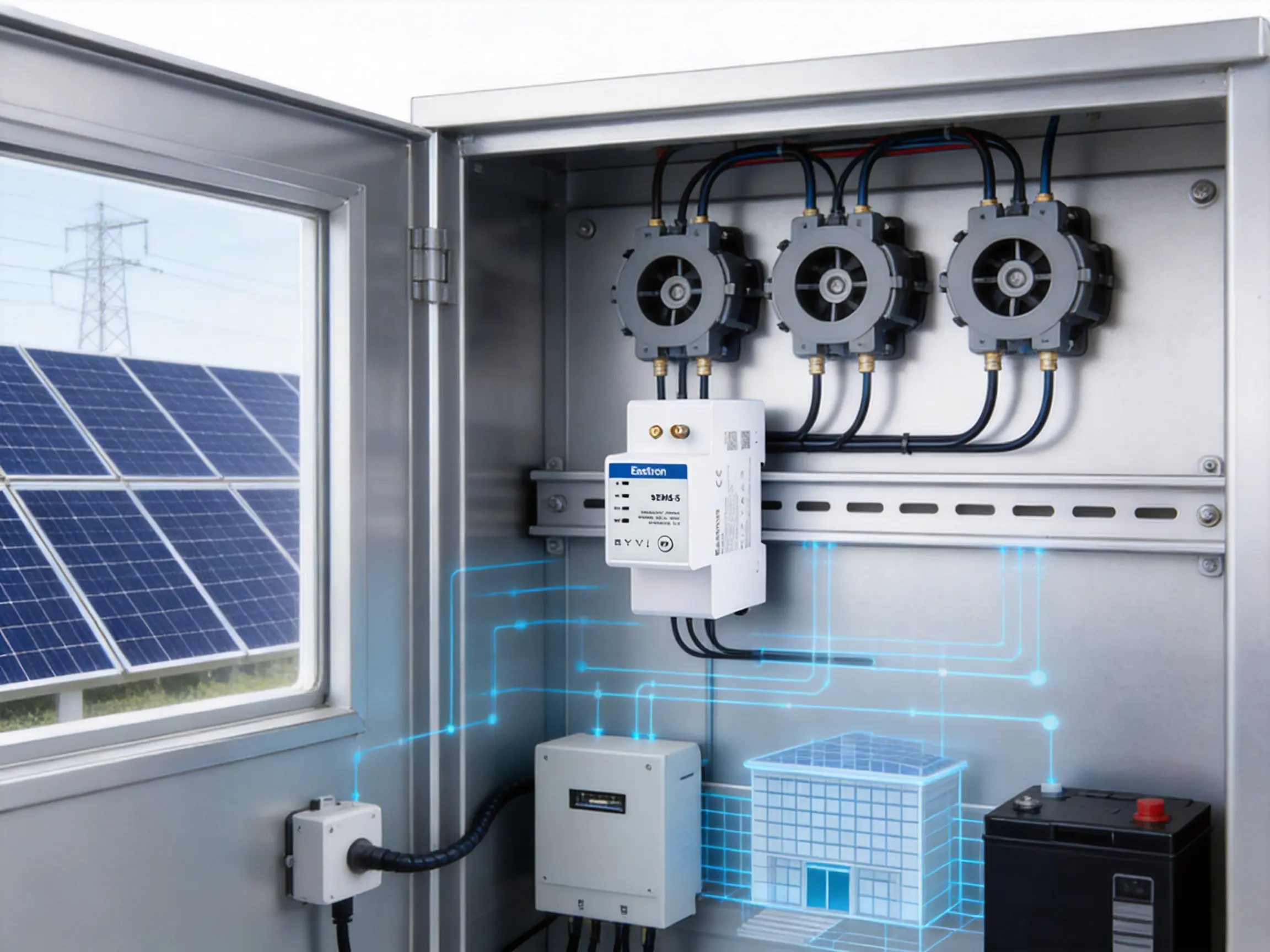
Space efficiency is a practical advantage in modern electrical panels. Distribution boards increasingly contain circuit breakers, residual-current devices, surge protection, contactors, relays, communication gateways, control modules, and energy meters. A large meter can force designers to use a bigger enclosure or relocate equipment to a separate cabinet.
The SEM5-5 has an approximate two-module width of 36 mm, giving it a compact footprint for a multi-function meter with several communication options. This allows installers to add measurement capability without extensive panel modifications. The DIN-rail form also supports standardized mounting and makes replacement or expansion more straightforward.
The product includes spring terminals or RJ-type terminals on selected connections to support quick installation. Plug-in or spring-terminal arrangements can reduce the time needed to tighten conventional screw terminals and may make servicing easier. They can also help maintain consistent connection quality when installed according to the manufacturer’s instructions.
Compact construction does not eliminate the need for safe installation practices. The panel must provide suitable clearance, protection, ventilation, conductor routing, and isolation. All voltage connections should be made by qualified personnel, and the meter should be used within its specified operating conditions.
A meter intended for photovoltaic and energy-management projects must be more than technically capable; it must also be practical to install. The SEM5-5 is designed around a simple connection concept that combines DIN-rail mounting, flexible communication, external CT measurement, and multiple wiring modes.
Before installation, the system designer should identify the electrical topology, nominal voltage, phase arrangement, CT locations, communication method, inverter or controller interface, and required measurement points. It is also important to determine whether the application requires one three-phase load measurement or three separate single-phase load measurements.
During installation, the voltage reference should be connected according to the selected system type. Each CT should be installed on the correct phase and in the correct direction. The CT ratio should be entered into the meter or associated control system as required. Communication wiring should follow suitable RS485 or Ethernet practices, including correct polarity, termination, shielding, grounding, and network addressing where applicable.
Commissioning should include a comparison between the meter’s readings and a trusted reference or expected operating condition. With the PV system off, the installer can verify site consumption and phase association. With the PV system operating, the installer can check generation, imported power, exported power, and the response of the zero-export controller. Abnormal readings should be investigated before the system is placed into normal service.
The product’s compact design and easy-connection features can reduce installation time and maintenance effort. For system integrators managing many sites, even a small reduction in wiring or commissioning time can produce significant savings across a project portfolio.
Commercial buildings often contain mixed electrical loads, including lighting, HVAC systems, elevators, office equipment, refrigeration, pumps, and electric-vehicle charging infrastructure. The SEM5-5 can provide electrical data for building-management systems and help facility operators understand how energy is distributed throughout the site.
Multiple meters can be installed at the main incoming supply, tenant distribution boards, plant rooms, renewable-energy systems, or selected high-consumption circuits. Data can then be collected through RS485, Ethernet, or Wi-Fi and presented through dashboards or energy-management software.
Industrial machinery can create changing electrical demand and may operate on schedules that are difficult to evaluate using monthly utility bills alone. Monitoring voltage, current, active power, reactive power, frequency, and power factor can help operators identify abnormal operating conditions and compare machine performance.
Because the meter supports RMS measurement including harmonics, it can be useful in environments with power-electronic loads. It is not a replacement for a dedicated high-end power-quality analyzer where advanced harmonic-spectrum, transient, flicker, or disturbance analysis is required, but it provides valuable routine measurement for energy and operating supervision.
Battery-storage installations need to track the movement of energy between the grid, local loads, solar inverters, and battery inverters. A multi-function meter can help establish whether the site is charging, discharging, importing, or exporting. This information can be used by an energy-management system to optimize self-consumption, reduce peak demand, or meet export restrictions.
Submetering allows an organization to assign energy consumption to departments, tenants, production lines, or building services. The SEM5-5 can serve as a submetering device where Class 1 active-energy measurement is appropriate. Its communication choices make it suitable for both new installations and upgrades to existing monitoring systems.
The SEM5-5 offers several practical advantages over a basic single-purpose energy counter. First, it measures multiple electrical parameters rather than only cumulative energy. This gives operators a fuller understanding of how a system is performing.
Second, it supports several power-system configurations. A project can use the same meter family for single-phase, three-phase three-wire, and three-phase four-wire applications, reducing product-selection complexity and simplifying training for installers.
Third, it combines wired and wireless communication. A conventional meter may require an additional converter or gateway to communicate with a modern network. The SEM5-5 offers RS485 Modbus RTU, Ethernet Modbus TCP, and Wi-Fi Modbus TCP, allowing the system designer to choose the most appropriate connection method.
Fourth, the compact DIN-rail design helps preserve panel space. This is particularly valuable in retrofit work, where the available enclosure cannot easily be enlarged.
Fifth, the product is suited to PV and zero-export applications rather than being limited to passive consumption measurement. Its ability to measure import and export direction, provide fast updates, and operate with external CTs makes it suitable for active energy-management systems.
Finally, the product is supported by a manufacturer whose activities cover meters, power analyzers, sensors, communication modules, and energy-management solutions. This broader product knowledge can be valuable to system integrators seeking a coordinated measurement architecture rather than an isolated device.
Eastron Electronic Co., Ltd. is headquartered in Jiaxing, China, near major economic and manufacturing centers including Shanghai, Hangzhou, and Jiangsu. The company develops and produces electricity meters, power analyzers, current sensors, communication modules, and management systems.
The company’s product range reflects a focus on energy measurement and electrical monitoring. Its portfolio includes application-specific meters, multi-function energy meters, MID energy meters, ETL and UL-related energy-meter products, DC energy meters, current transformers, relays and switches, gateways, and systems and solutions. This breadth supports the development of products that must operate within larger electrical and communication architectures.
Research and development is an important part of the company’s stated capabilities. Development teams in China and the United Kingdom work on new technologies and products, while cooperation with universities and research institutions contributes to technical development. This combination of engineering resources can support product improvements in embedded software, hardware, communication, measurement algorithms, and application-specific functions.
The company has also developed patented technologies in software, embedded software, and hardware. For a connected energy meter, these areas are closely related to product performance. Measurement accuracy depends on analog circuitry and signal processing. Communication reliability depends on firmware, protocol implementation, and hardware design. Product usability depends on the interaction between the meter, its configuration system, and external management platforms.
Manufacturing quality is strengthened by the company’s professional laboratory. The laboratory is capable of performing EMC, LVD, accuracy, and environmental tests according to IEC, EN, GB, and UL standards. These testing capabilities are important because an energy meter must operate reliably in electrical environments that may include switching equipment, transient conditions, temperature variation, and electromagnetic interference.
In-house or closely controlled testing can support more efficient product validation. Engineers can evaluate prototypes, identify design weaknesses, verify changes, and confirm production consistency. Accuracy testing helps verify measurement performance, while EMC testing evaluates immunity and emissions. LVD-related testing addresses electrical safety, and environmental testing helps assess performance under temperature and other operating stresses.
The company follows an ISO 9001 quality-management system. A structured quality system supports documented processes for design, purchasing, production, inspection, nonconforming products, corrective actions, and continuous improvement. For customers, this can provide greater confidence that product quality is managed systematically rather than relying only on final inspection.
Production approval by SGS according to MID standards is another part of the company’s stated credentials. MID-related manufacturing controls are particularly relevant to metering products used in regulated or revenue-related applications. The exact approval applicable to any specific product must always be verified against the current certificate and model documentation, but the company’s experience with regulated metering provides a useful foundation for product quality and process discipline.
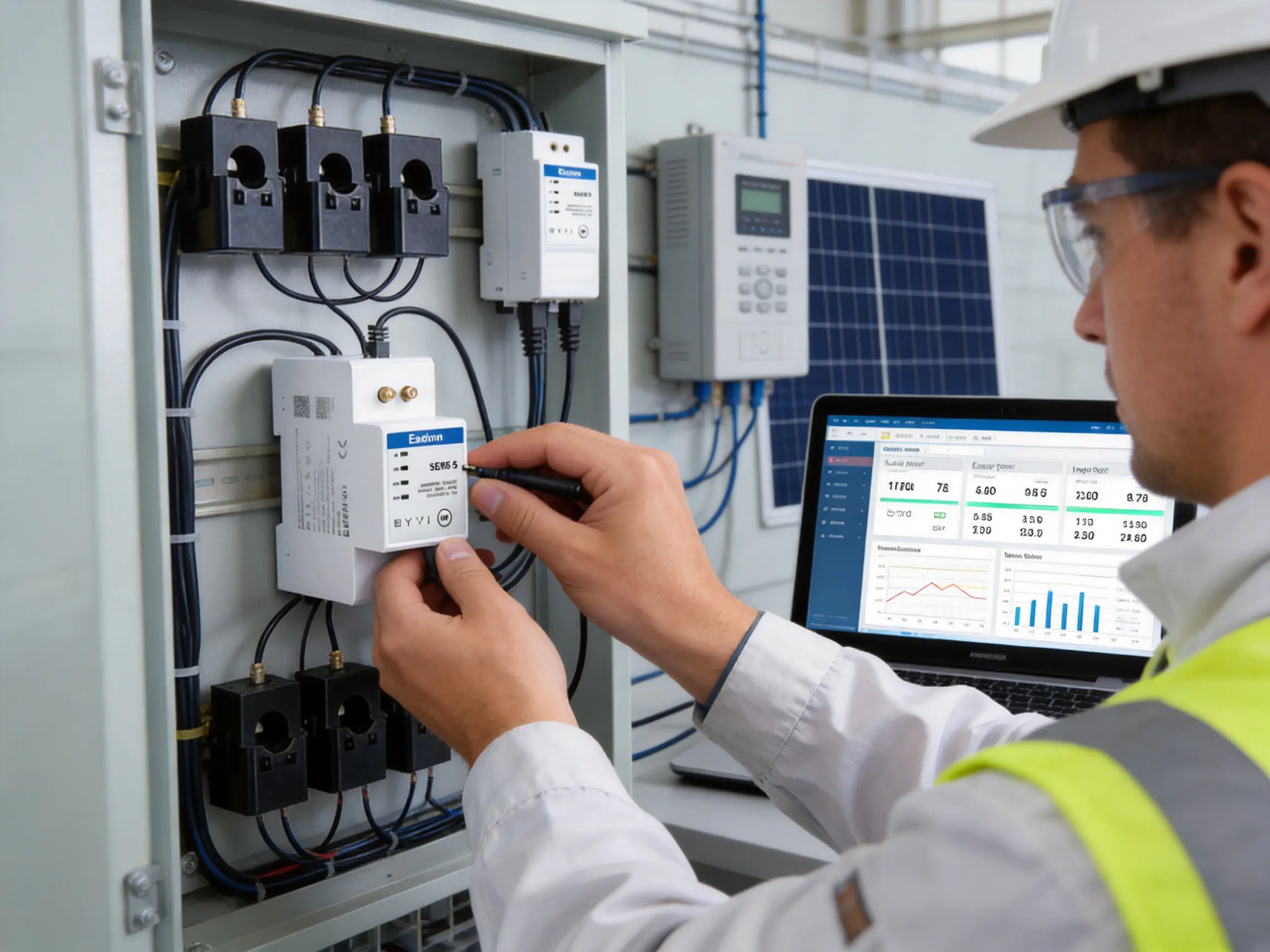
Energy meters are often installed as part of infrastructure expected to operate continuously for many years. Replacing a meter may require panel access, electrical isolation, software reconfiguration, and a new commissioning process. Reliability, documentation, technical support, and after-sales service therefore matter alongside measurement specifications.
Eastron states that its products and services have been supplied to more than 50 countries across Europe, Asia-Pacific, America, the Middle East, and Africa. International experience can help a manufacturer understand different voltage systems, communication practices, regulatory expectations, installation environments, and customer requirements.
The company provides technical support and after-sales service through professional teams. For system integrators, support may include assistance with wiring, Modbus communication, register interpretation, configuration, troubleshooting, and application selection. Effective support is especially important in PV projects where the meter must work together with inverters, gateways, controllers, and cloud platforms from different manufacturers.
Project customers should provide the manufacturer or distributor with complete application information when requesting technical advice. Useful information includes the power-system type, voltage, maximum current, CT ratio, frequency, installation environment, communication method, inverter model, required data points, and export-control strategy. Clear information at the design stage reduces the risk of selecting an unsuitable configuration.
The value of a connected meter comes from the way its data is used. The SEM5-5 can supply floating-point measurement values through Modbus communication. A supervisory system can collect voltage, current, power, energy, frequency, reactive values, power factor, and direction information at regular intervals.
Collected data can be used to create energy dashboards, daily and monthly reports, load profiles, site comparisons, and alarm conditions. A facility manager may establish alarms for unusual current, low power factor, abnormal voltage, unexpected export, or equipment operating outside its normal schedule.
Historical data can reveal trends that are not visible from instantaneous readings. For example, a building may show increased overnight consumption, a production line may gradually draw more power as equipment wears, or a PV installation may show reduced self-consumption because of changes in operating schedules. Continuous monitoring helps identify these patterns.
Modbus RTU and Modbus TCP are widely recognized protocols, which can reduce integration barriers. However, the complete system still requires correct register mapping, data scaling, byte order, polling intervals, timeout settings, and error handling. Integrators should use the official communication manual for the selected meter version and test all required data points before deployment.
A successful PV metering project begins with selecting the correct measurement point. For zero-export control, the meter is commonly installed at the grid connection point so that it can observe the net flow between the site and the utility network. For self-consumption analysis, additional meters may be installed at the PV output, battery system, or major load groups.
CT placement must be considered carefully. The CT must surround the intended conductor without including conductors from another circuit. The current direction must correspond to the desired import and export convention. CTs should be matched by phase and installed with suitable insulation and mechanical protection.
Communication architecture should be selected according to site conditions. RS485 is often preferred for long, controlled cable runs and industrial environments. Ethernet is useful where a stable structured network is already available. Wi-Fi can reduce installation work in existing buildings, but wireless signal strength and network security must be evaluated. LoRa may be considered for specialized distributed monitoring applications where the optional version is appropriate.
Control-loop requirements should also be reviewed. The meter supplies measurement information, but the inverter or controller determines how the system reacts. The response time of the complete zero-export system includes measurement, communication, software processing, command transmission, and inverter adjustment. Engineers should verify the complete system under changing load and generation conditions.
The SEM5-5 is intended for installation in electrical systems and should be installed by suitably trained and authorized personnel. Electrical work must comply with local regulations, applicable standards, and the instructions for the selected product version.
Before work begins, the circuit should be isolated and verified as de-energized. Voltage terminals, CT circuits, communication terminals, and protective conductors must be connected according to the wiring diagram. CT secondary circuits require particular care because opening a CT secondary under load can create hazardous voltage conditions in some current-transformer arrangements.
The meter should be installed in an enclosure that provides appropriate protection from accidental contact, moisture, dust, excessive heat, and mechanical damage. Communication wiring should be separated from high-energy conductors where necessary. After installation, the enclosure should be closed and all protective measures restored before the system is energized.
Safety and accuracy are closely related. Loose connections, incorrect phase order, damaged insulation, excessive temperature, or improper CT installation can create both measurement errors and safety hazards. A documented commissioning procedure helps ensure that electrical and communication checks are completed before handover.
One of the advantages of a digital meter with network communication is that much of its performance can be supervised remotely. Operators can check whether the meter is online, whether data values are updating, and whether readings remain within expected ranges. A sudden loss of communication may indicate a network issue, power interruption, configuration change, or equipment fault.
Periodic maintenance may include visual inspection, verification of terminal tightness where applicable, review of communication status, comparison with reference measurements, and examination of CT wiring. The interval should be determined by the environment, the criticality of the installation, and local maintenance procedures.
Software and network settings should be documented. This includes the meter address, IP address, subnet, gateway, communication speed, parity, stop bits, CT ratio, wiring mode, and any PV-related configuration. Accurate records make future service faster and reduce the risk of incorrect replacement settings.
Where a meter is connected to a wider network, administrators should also maintain an inventory of connected devices and review access controls. Changing default network settings, restricting unnecessary access, and separating energy devices from general-purpose networks can improve cybersecurity.
Before ordering or installing the meter, project teams should confirm the following points:
| Item | Specification |
|---|---|
| Product type | CT-operated AC multi-function energy meter |
| System configurations | 1P2W, 3P3W, 3P4W |
| Primary applications | Solar PV monitoring, zero-export control, energy management, load measurement |
| Measurement type | RMS including harmonics on three-phase AC systems |
| Nominal voltage | 3 × 230 V line-to-neutral / 400 V line-to-line |
| Working voltage range | 100–277 V AC line-to-neutral; 173–480 V AC line-to-line |
| Frequency | 50/60 Hz |
| Power accuracy | ±1%, IEC 61557-12 Class 1 |
| Active-energy accuracy | ±1%, IEC 61557-12 Class 1 and IEC 62053-21 Class 1 |
| Reactive-energy accuracy | ±2%, IEC 61557-12 Class 2 |
| Current accuracy | ±0.5% |
| Voltage accuracy | ±0.5% |
| Frequency accuracy | ±0.1% |
| Power-factor accuracy | ±0.01 |
| Data update rate | 100 ms |
| RS485 protocol | Modbus RTU |
| RS485 address range | 1–247 |
| RS485 transmission distance | Up to 1,000 m |
| RS485 transmission speed | 2,400–115,200 bps |
| Wi-Fi protocol | Modbus TCP over IEEE 802.11 b/g/n |
| Wi-Fi band | 2.4–2.5 GHz |
| Wi-Fi range | Up to 30 m indoors and 50 m outdoors, depending on conditions |
| Ethernet protocol | Modbus TCP |
| Ethernet port | 502 |
| Default IP address | 192.168.1.200 |
| Approximate width | Two DIN modules, approximately 36 mm |
| Optional communication | LoRa, subject to selected version |
The SEM5-5 is used for measuring and communicating electrical parameters in single-phase and three-phase AC systems. Common applications include solar PV monitoring, zero-export control, smart buildings, industrial equipment, submetering, and general energy management.
Yes. The product information states that the meter measures import and export direction. Correct CT orientation, phase wiring, configuration, and commissioning are essential for reliable direction detection.
No. It is a CT-operated meter designed to use external current transformers. The appropriate CT ratio and configuration should be selected according to the system current and the specific product version.
The meter supports 1P2W, 3P3W, and 3P4W systems. The installer must select and wire the meter according to the actual electrical topology.
The meter supports RS485 Modbus RTU, Ethernet Modbus TCP, and Wi-Fi communication using Modbus TCP. LoRa is available as an optional feature for applicable versions.
It can provide measurement data to an inverter controller, energy-management system, gateway, or other compatible device. The exact integration method depends on the inverter or controller’s supported protocol, register mapping, and control architecture.
Yes. Its PV modes, import/export measurement, fast data updates, CT operation, and communication interfaces make it suitable for zero-export systems. The complete performance depends on the meter, controller, inverter, network, and correct installation working together.
The meter has a compact width of approximately two DIN modules, or about 36 mm, allowing it to fit into many distribution boards and control cabinets.
Active-energy accuracy is specified as ±1% under IEC 61557-12 Class 1 and IEC 62053-21 Class 1 references.
The product is specified for RMS measurement including harmonics on three-phase AC systems. It provides useful electrical measurements in systems containing non-linear loads, although specialist power-quality analysis may require a dedicated analyzer.
The electrical system type, voltage, frequency, CT ratio, CT orientation, communication method, network settings, required measurement point, inverter compatibility, and applicable safety requirements should all be confirmed before installation.
Installation should be carried out by qualified and authorized electrical personnel who understand CT circuits, low-voltage distribution systems, communication wiring, and applicable local regulations.
The SEM5-5 is designed for energy systems that require more than basic electricity counting. It combines CT-operated measurement, support for multiple wiring arrangements, compact DIN-rail construction, PV operating modes, fast data updates, and three major communication options in one flexible platform.
For solar PV and zero-export projects, the meter can provide the real-time import, export, power, energy, and electrical-condition data required by a control system. For commercial buildings and industrial facilities, it can support load monitoring, submetering, equipment analysis, and energy-management strategies. Its RS485, Ethernet, and Wi-Fi interfaces allow it to fit into both traditional automation networks and modern connected installations.
The product’s value is also supported by the manufacturer’s broader engineering and manufacturing capabilities. Eastron’s experience in electricity meters, power analyzers, current sensors, communication products, and management systems provides a foundation for application-focused development. Its research teams, professional testing laboratory, ISO 9001 quality-management system, international supply experience, and technical-support resources strengthen its position as a provider of energy measurement solutions.
When correctly selected, installed, configured, and integrated, the SEM5-5 can help organizations improve visibility of electrical performance, increase solar self-consumption, manage export limits, reduce installation complexity, and build a more responsive energy-management system.
IEC 61557-12, Electrical Safety in Low-Voltage Distribution Systems: Power Measuring and Monitoring Devices.
IEC 62053-21, Electricity Metering Equipment: Particular Requirements for Static Meters for Active Energy.
Modbus Organization, Modbus Application Protocol Specification.
IEEE 802.11 Wireless LAN Standards, Wireless Local Area Network Communication Principles.
ISO 9001, Quality Management Systems: Requirements.
Manufacturer-provided SEM5-5 product information, electrical characteristics, communication specifications, and application details.
Your email address will not be published. Required fields are marked *

We develop and produce high performance electricity meters, power analyzers, current sensors, communication modules and management systems.
Address:NO. 52, Dongjin Road, Nanhu, Jiaxing, Zhejiang, China
Copyright @ Eastron Electronic Co., Ltd. All rights reserved
